
In the challenging landscape of laboratory biosafety, healthcare professionals face pressing demands for effective sterilization methods. Particularly in Nepal, where resources may be limited, ensuring contamination control becomes a pivotal aspect of laboratory operations, especially amidst the ongoing evolution of healthcare infrastructure. To address these challenges, innovative sterilization solutions such as Micro Incinerators and Infrared Inoculating Loop Sterilizers are emerging as game-changers.
Principles of Infrared Sterilization
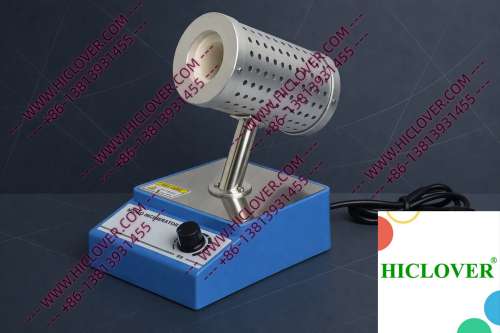
Loop sterilizers leverage advanced technology that eliminates pathogens through rapid thermal sterilization. The core of this technology lies in the enclosed ceramic heating chamber that utilizes infrared heat. When heated, the ceramic tube generates high temperatures in a controlled environment, effectively disinfecting inoculating loops and other lab instruments without the need for a flame. This method not only streamlines the sterilization workflow but also makes handling safer by preventing exposure to open flames and aerosolized pathogens.
Applications in Modern Laboratories
1. Biosafety Cabinets: In a BSL-2 microbiology lab, the Micro Incinerator is a pivotal tool for ensuring that all instruments used in handling infectious agents are appropriately sterilized. It operates seamlessly within biosafety cabinets, contributing to a clean and safe working environment by removing contamination risks.
2. Field Testing: Nepal’s geographical diversity often implies field testing in remote locations. Portable Infrared Inoculating Loop Sterilizers can be taken into the field, allowing healthcare professionals to sterilize tools in real-time while minimizing contamination risks, supporting effective diagnostics even in challenging environments.
Compliance with Global Standards
Maintaining compliance with WHO biosafety standards is vital for laboratory operations worldwide. The use of Micro Incinerators aligns with lab sterilization standards that advocate for non-flame sterilization methods—particularly critical in clean rooms. The absence of an open flame not only reduces fire hazards but also ensures that labs remain clean and free from particulates, further enhancing biosafety.
- WHO Biosafety Guidelines: Adheres to recommended containment practices.
- ISO Standards: Complies with international standards for laboratory safety and sterilization processes.
- GMP Compliance: Ensures good manufacturing practices are met in sterilization procedures.
Advantages Over Traditional Flame Sterilizers
The advantages of Micro Incinerators over traditional alcohol lamps and Bunsen burners are significant, particularly in busy laboratory settings.
| Feature | Micro Incinerator | Flame Burners |
|---|---|---|
| Safety | No open flames; lower risk of burns and fire hazards. | Open flames; higher risk of accidents. |
| Efficiency | Rapid thermal sterilization cycle. | Longer heating time and inconsistent results. |
| Contamination Control | Enclosed design prevents aerosolization. | Aerosol production from flames may spread contaminants. |
FAQs
- What is a Micro Incinerator, and how does it work?
A Micro Incinerator uses infrared heat to rapidly sterilize inoculating loops and other lab instruments without producing an open flame, minimizing contamination risks. - Can Micro Incinerators be used in field tests?
Yes! Their portable design allows healthcare professionals to conduct sterilization on-site, facilitating effective diagnostics. - What safety advantages do Infrared Inoculating Loop Sterilizers provide?
They eliminate fire hazards associated with traditional flame sterilizers and reduce the production of potentially harmful aerosols. - How does Infrared sterilization comply with lab safety standards?
Micro Incinerators meet WHO biosafety recommendations and adhere to ISO standards, providing a safer sterilization alternative for laboratories. - Are there specific labs where Micro Incinerators are particularly beneficial?
They are especially advantageous in BSL-2 microbiology labs, clinical diagnostics, university teaching labs, and remote field testing environments.
Conclusion
In summary, Micro Incinerators and Infrared Inoculating Loop Sterilizers represent a transformative approach to laboratory sterilization in Nepal. They offer an effective, safe, and compliant alternative to traditional sterilization methods, greatly enhancing biosafety and operational efficiency. Whether you are a laboratory supply distributor, a hospital administrator, or part of a research institution, recognizing the role of innovative sterilization solutions is crucial in adapting to evolving healthcare needs. If you’re interested in upgrading your sterilization techniques, feel free to reach out to us for more information on our products and how they can benefit your operations.
Categories:
Tags: