
Laboratory settings are replete with biosafety challenges that demand efficient sterilization workflows to maintain sterile environments and prevent contamination. These challenges are acute in settings ranging from university teaching labs to BSL-2 and BSL-3 microbiology labs. As research intensifies and experiments push boundaries, the reliance on traditional flame sterilizers, such as alcohol lamps and Bunsen burners, is increasingly questioned. Enter the Micro Incinerator / Infrared Inoculating Loop Sterilizer, a revolutionary tool designed to optimize sterilization processes while enhancing safety and efficacy.
Understanding Infrared Technology in Laboratory Sterilization
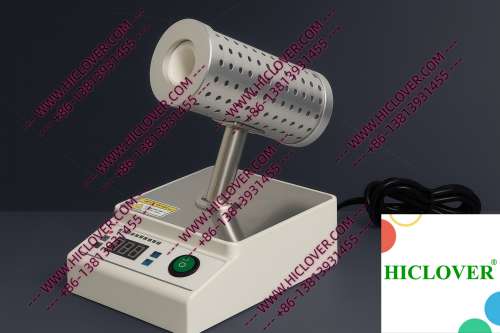
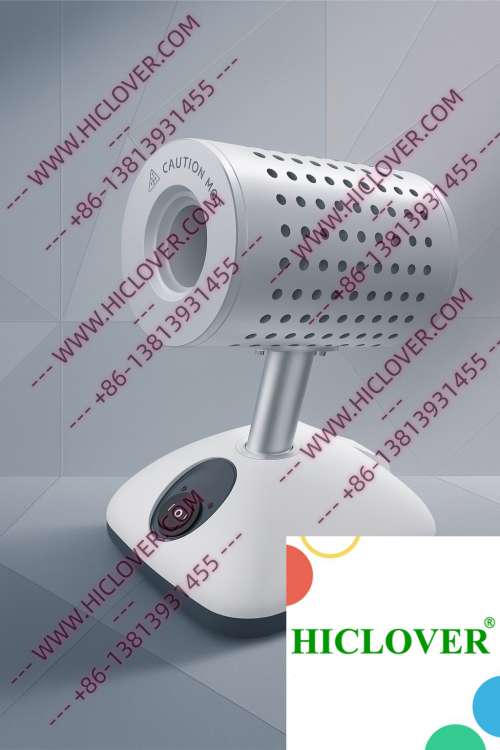
The Micro Incinerator operates on the principle of rapid thermal sterilization utilizing infrared heat. Instead of open flames, this device features an enclosed ceramic tube that provides high-temperature disinfection through controlled infrared radiation. This technology ensures that inoculating loops and other tools reach temperatures necessary to eliminate microbial contaminants effectively and quickly. The inherent design of the sterilizer also promotes aerosol-free handling, which is crucial in limiting exposure in clean environments.
Comparison of Sterilization Methods
| Feature | Micro Incinerator | Flame Burners (Bunsen Burners, Alcohol Lamps) |
|---|---|---|
| Temperature Control | Precise infrared heat | Variable with manual adjustment |
| Safety | Enclosed system, no open flames | Open flame, risk of fire |
| Time Efficiency | Rapid sterilization (less than 10 seconds) | Longer heating times |
| Environment Suitability | Clean rooms, mobile field labs | Standard lab environments |
| Ease of Use | One-button operation | Requires flame maintenance |
Application Scenarios in Modern Laboratories
Consider the bustling environment of a teaching laboratory at a university located in a major city like San Francisco. Instructors and students alike face challenges regarding effective sterilization without compromising safety. The Micro Incinerator is an invaluable tech piece in this scenario, prominently featured in biosafety cabinets. Here, it enables students to practice aseptic techniques while mitigating the risks associated with open flames, thus enhancing learning efficacy.
In another scenario, field testing labs can vastly benefit from the portability and efficiency of the Micro Incinerator. Scientists conducting research in remote locations find it essential to maintain strict contamination control. Unlike traditional burners, which are not practical due to fuel necessity and safety concerns, the infrared sterilizer operates on simple electrical power sources, maintaining high standards of sterilization without the hassles associated with flame sterilization methods.
Biosafety and Sterilization Standards
The need for strict adherence to biosafety measures cannot be overstated. The World Health Organization (WHO) and various lab sterilization standards have established guidelines that underscore the need for effective sterilization methods in laboratory environments. Micro Incinerators align perfectly with these regulations by offering a no-flame solution for creating sterile environments essential for research integrity, especially in clean rooms and controlled environments. Moreover, as laboratory safety evolves, avoiding open flames becomes more critical to ensure compliance with stringent safety measures, thus making these tools indispensable.
FAQs About Infrared Inoculating Loop Sterilizers
- What is the average sterilization time for the Micro Incinerator? The average sterilization time is less than 10 seconds, ensuring rapid turnaround.
- How does infrared heat compare to traditional flame sterilization? Infrared heat offers controllable and precise temperatures, reducing safety risks associated with open flames.
- Can the Micro Incinerator be used in field settings? Yes, it is portable and operates on electrical power, ideal for mobile labs.
- Is there a risk of contamination when using an infrared sterilizer? When used correctly, there is minimal risk, as it operates without exposing instruments to open air.
- Are there specific training requirements for using a Micro Incinerator? Basic training on device operation and safety standards is recommended, particularly in a teaching or clinical setting.
Conclusion
As laboratories evolve and the need for high-level biosafety becomes paramount, the shift towards innovative sterilization techniques like the Micro Incinerator / Infrared Inoculating Loop Sterilizer is clear. Its advantages over traditional flame sterilizers, from increased safety to rapid sterilization capabilities, make it a valuable addition to both teaching labs and advanced research facilities. If you’re looking to enhance your laboratory’s sterilization workflow while ensuring compliance with the highest safety standards, consider investing in a Micro Incinerator today. For more information and purchasing inquiries, please contact us to discuss how our products can meet your laboratory needs.