
Laboratories face critical biosafety challenges every day, particularly in areas requiring stringent sterilization protocols. The proper sterilization technique is paramount in minimizing contamination risks, especially in environments such as BSL-2 and BSL-3 labs, clinical diagnostics, and even university teaching labs. As the demand for rapid thermal sterilization techniques rises, Micro Incinerators, particularly the Infrared Inoculating Loop Sterilizer, present an advantageous and compliant alternative to traditional methods.
Technical Principles of Micro Incinerators
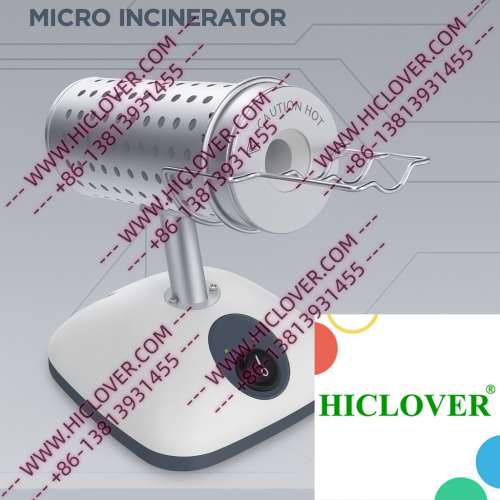
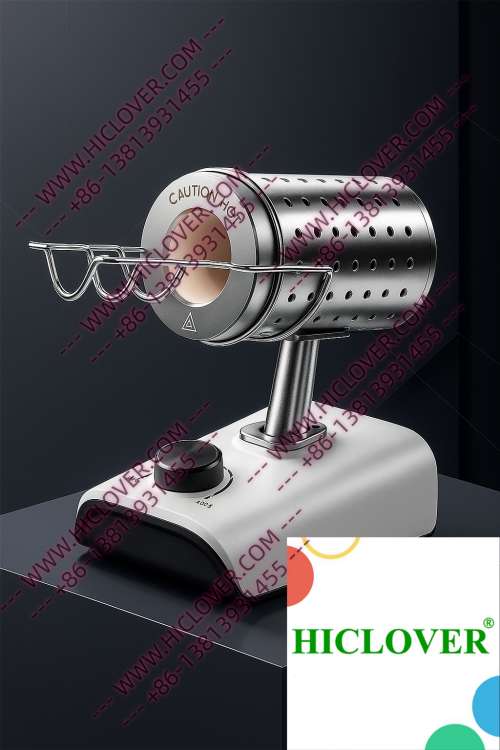
The core of a Micro Incinerator’s innovation lies in its unique design and functionality. Unlike conventional flame sterilizers like Bunsen burners and alcohol lamps, which can compromise air quality and pose fire hazards, micro incinerators employ infrared heating technology. This method utilizes an enclosed ceramic heating chamber that rapidly generates high temperatures necessary for effective disinfection.
When the inoculating loop or other laboratory tools are introduced into this environment, they are subjected to intense infrared heat, leading to immediate sterilization. This process promises aerosol-free handling and allows for clean-bench-safe operations, thus maintaining the integrity of biosafety cabinets or clean rooms without introducing harmful contaminants.
Real-World Applications of Micro Incinerators
- Biosafety Cabinets: In microbiology laboratories, Micro Incinerators can be effectively deployed within biosafety cabinets. By sterilizing inoculation loops before and after use, they significantly reduce contamination risks while maintaining a sterile environment.
- Field Testing Labs: For field testing in remote areas, portability becomes essential. Micro Incinerators are compact and do not require any fuel sources, making them an ideal choice for conducting safety inspections in diverse environments such as agricultural settings or biological monitoring in wildlife.
- University Teaching Labs: In educational settings, the need for quick and reliable sterilization is integral to teaching students essential laboratory techniques. Micro Incinerators provide a safe way to demonstrate and practice sterilization methods without the hazards of flames or non-compliance with safety standards.
- What is a Micro Incinerator used for?
The Micro Incinerator is primarily used for sterilizing inoculating loops and other laboratory tools, ensuring rapid thermal sterilization and preventing contamination in laboratory settings. - How does the Micro Incinerator differ from traditional sterilizing methods?
Micro Incinerators utilize infrared technology to provide flameless, high-temperature disinfection, unlike traditional methods that rely on open flames and may produce aerosols. - Are Micro Incinerators compliant with WHO biosafety regulations?
Yes, Micro Incinerators comply with WHO biosafety standards, promoting safe laboratory practices and minimizing contamination risks. - Can Micro Incinerators be used in field testing?
Absolutely! Their lightweight and portable nature makes them ideal for field testing in various environments without the need for fuel sources. - What are the advantages of using a Micro Incinerator in teaching labs?
Micro Incinerators enhance the learning experience by providing a safe and efficient means for students to practice sterilization techniques without the dangers of flames.
Compliance and Environmental Considerations
Worldwide, organizations such as the World Health Organization (WHO) emphasize the importance of adhering to biosafety standards. In the UK, laboratories must comply with rigorous sterilization standards that mandate that no flames should be present in clean room environments to prevent contamination.
Micro Incinerators align perfectly with these regulations, offering a flameless operation that upholds laboratory safety and environmental compliance. These devices not only minimize the risk of accidents associated with traditional flame sterilizers but also reduce the overall environmental impact, making them a responsible choice for laboratories focused on sustainability.
Benefits Over Traditional Flame Sterilizers
| Feature | Micro Incinerator | Flame Sterilizer |
|---|---|---|
| Safety | No open flame, reduced fire hazard | Open flame, higher risk of burns and fires |
| Efficiency | Rapid thermal sterilization with immediate readiness | Requires time to establish flame and temperature |
| Contamination Control | Aerosol-free, clean-bench-safe operations | Potential aerosol generation with open flames |
| Portability | Lightweight and fuel-free | Requires fuel sources, bulkier |
Frequently Asked Questions (FAQs)
Conclusion: Embrace the Future of Lab Sterilization
As laboratories continue to face evolving biosafety challenges and strive for compliance with international standards, adopting innovative technologies like Micro Incinerators is no longer just an option—it’s a necessity. With their superior safety features, rapid sterilization capabilities, and environmental compliance, these devices are set to revolutionize laboratory sterilization practices across the UK and beyond.
If you are interested in enhancing your laboratory’s sterilization workflow, reach out today to explore how our range of Micro Incinerators can meet your needs!
Categories:
Tags: