
Laboratory biosafety challenges today demand innovative solutions to ensure sterile environments and contamination control. The growing complexity of biotechnological applications and robust microbiological research necessitates precise sterilization techniques. Among these, the advanced Micro Incinerator, also known as the Infrared Inoculating Loop Sterilizer, has emerged as a pivotal piece of equipment that streamlines laboratory workflows while ensuring maximum safety.
Understanding the Micro Incinerator: Technical Principles
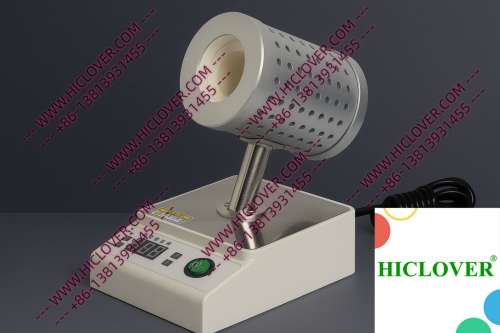
The Micro Incinerator takes advantage of rapid thermal sterilization through infrared radiation, emitting high temperatures needed for effective disinfection. Enclosed within a ceramic heating chamber, this device achieves temperatures ranging from 800°C to 1000°C within seconds. This high-temperature disinfection approach not only eliminates microbial contamination but also avoids the drawbacks associated with traditional flame sterilizers such as alcohol lamps and Bunsen burners.
One of the key features of the Micro Incinerator is its clean-bench-safe design, which minimizes the risk of aerosol generation, crucial in a controlled environment. As it sterilizes inoculating loops, needles, and other lab instruments, researchers can maintain a sterile workflow without exposure to flame or harmful fumes.
Applications of the Micro Incinerator in Real Laboratories
1. Biosafety Cabinets
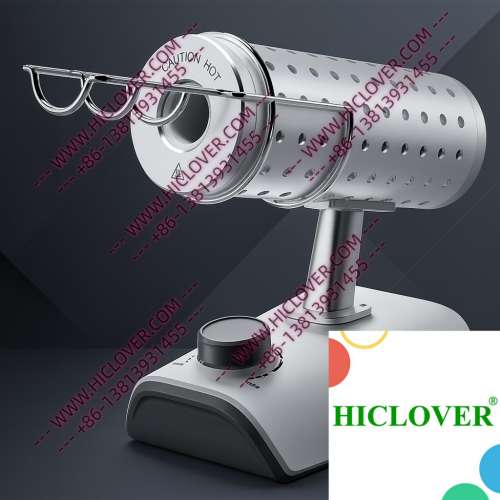
In BSL-2 microbiology labs, the Micro Incinerator is indispensable for researchers who handle potentially pathogenic microorganisms. While working within biosafety cabinets, scientists can rapidly sterilize loop inoculators and needles without introducing open flames, thereby adhering to stringent biosafety practices.
2. University Teaching Labs
In academic settings, particularly in microbiology courses, the Micro Incinerator serves as an educational tool for students learning sterile techniques. It enables hands-on experiences with safe, reliable sterilization methods, preparing emerging scientists for real-world lab scenarios where contamination control is paramount.
Compliance with Biosafety and Sterilization Standards
As laboratories increasingly align with WHO biosafety standards, the necessity for a reliable sterilization method has never been clearer. The Micro Incinerator’s ability to operate without flames makes it an ideal choice for cleanrooms and laboratory environments where minimizing contamination risks is vital.
Laboratories must adhere not only to microbiological safety guidelines but also to various sterilization protocols. This includes compliance with standards that prohibit the use of open flames in certain settings and advocate for portable, high-efficiency sterilization solutions. With the Micro Incinerator, labs can maintain compliance and ensure that they are equipped for safe operations.
A Comparison of Sterilization Methods
| Feature | Micro Incinerator | Flame Burners |
|---|---|---|
| Temperature Control | Precise infrared thermal sterilization | Variable, dependent on flame size |
| Safety | Flame-free; reduces aerosol risk | Open flame; higher risk of fire and contamination |
| Ease of Use | Immediate readiness; controlled environment | Requires setup and manual operation |
| Efficiency | Rapid sterilization within seconds | Longer wait for flame heating |
| Portability | Compact, easy to transport | Bulky; requires gas supply |
Frequently Asked Questions
- What is the main advantage of using a Micro Incinerator over traditional flame sterilizers?
The main advantage is its safety; the Micro Incinerator eliminates the risks of open flames and aerosol generation, making it suitable for sensitive laboratory environments. - How quickly can I achieve sterilization with a Micro Incinerator?
The device can reach optimal temperatures within seconds, providing rapid thermal sterilization for your laboratory tools. - Can the Micro Incinerator be used in educational labs?
Absolutely! It’s perfect for teaching environments where students can learn sterile techniques safely and effectively. - Is the Micro Incinerator compliant with universal laboratory safety standards?
Yes, the Micro Incinerator meets several biosafety and sterilization standards, including guidelines from WHO. - How does the Micro Incinerator support contamination control?
Its enclosed design and flame-free operation significantly minimize the risk of contamination during sterilization processes.
Conclusion
As laboratory environments face increasing pressure to maintain biosafety and provide reliable sterilization methods, the Micro Incinerator stands out as a superior choice. Its rapid thermal sterilization capabilities matched with adherence to stringent safety standards make it an indispensable tool for modern laboratories, from university teaching facilities to clinical diagnostic settings.
Discover how the Micro Incinerator can enhance your laboratory’s safe practices and efficiency. Contact us today for more information on our innovative sterilization solutions, or to request a quote tailored to your specific needs.
Categories:
Tags: