
In today’s laboratories, maintaining effective biosafety standards is crucial. With increasing demands for contamination control and efficient sterilization workflows, researchers often face challenges when using traditional methods. As laboratory environments become more sophisticated, implementing advanced technologies like the Micro Incinerator / Infrared Inoculating Loop Sterilizer has become essential, redefining how sterilization is approached in lab settings.
Understanding the Technical Principles of Micro Incinerators
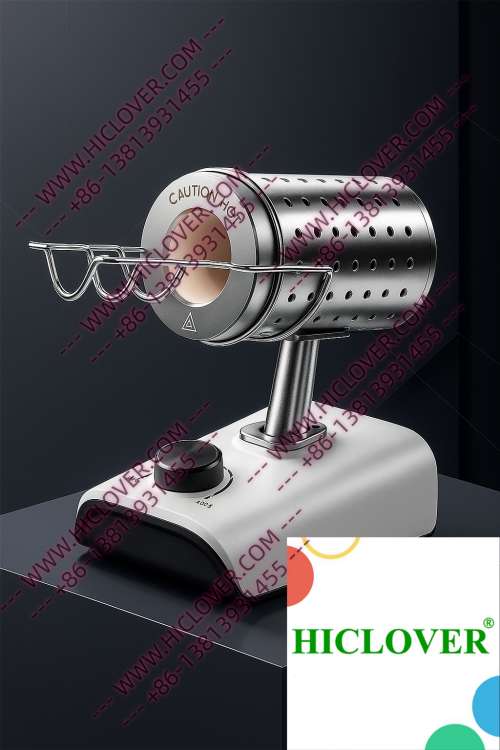
The Micro Incinerator stands out due to its innovative use of rapid thermal sterilization through infrared technology. This device consists of a compact, enclosed ceramic heating chamber designed to generate high temperatures almost instantly without the risks associated with an open flame. By employing infrared heat, the Micro Incinerator allows for precision sterilization of inoculating loops, needles, and other small equipment in seconds. Its design minimizes aerosol generation, which is a significant consideration in biosafety, especially in sensitive environments such as cleanrooms and BSL-2 or BSL-3 labs.
Advantages Over Traditional Flame Sterilizers
While conventional methods like alcohol lamps and Bunsen burners have long been used for sterilization, they come with a slew of drawbacks that the Micro Incinerator effectively addresses:
- Safety: No open flame means reduced fire risk and safer handling in clean environments.
- Efficiency: Infrared heat allows for quicker sterilization cycles, enhancing lab throughput.
- Contamination Control: Reduced aerosol generation enables better contamination management.
- Energy Efficiency: Lower energy consumption compared to traditional burners, conducive to sustainable lab operations.
Real-World Applications of Micro Incinerators
Micro Incinerators harnessing infrared sterilization technology have been widely adopted across various laboratory environments. Below are two specific scenarios where these devices make a significant impact:
1. Biosafety Cabinets in Research Labs
In BSL-2 and BSL-3 microbiology labs, where pathogen handling is routine, the Micro Incinerator provides a safe and effective means of sterilizing inoculating loops. Researchers can operate in biosafety cabinets, using the incinerator to sterilize their loops and needles without exposing themselves to any combustion-related hazards. In such an environment, each sterilization can be conducted in seconds. Coupled with appropriate biosecurity protocols, the Micro Incinerator significantly contributes to maintaining sterile operations.
2. Field Testing in Environmental Labs
In field testing scenarios, such as sampling air or soil, researchers encounter unique challenges. The portability of the Micro Incinerator allows scientists to perform immediate sterilization on-site without carrying bulky traditional sterilization tools. When used outdoors, this technology eliminates the need for extensive setup and provides the flexibility required for rapid sample processing, ensuring that results are not compromised by cross-contamination.
Compliance and Environmental Considerations
Adhering to global standards such as WHO biosafety guidelines is pivotal in laboratory operations. The Micro Incinerator complies with stringent laboratory sterilization standards, making it an excellent choice for ensuring safety in cleanroom settings where open flames are prohibited. Its design minimizes the risk of emissions commonly associated with traditional flame sterilizers, thus supporting labs in achieving their environmental objectives while maintaining operational efficiency.
Using the Micro Incinerator enhances not only our sterilization procedures but also aligns with our environmental goals as a clean and sustainable laboratory operation.
FAQs About Micro Incinerators
What is a Micro Incinerator used for?
A Micro Incinerator is primarily used for sterilizing inoculating loops, needles, and other laboratory tools utilizing rapid infrared heat technology for effective contamination control.
Can the Micro Incinerator be used in BSL-3 labs?
Yes, the Micro Incinerator is suitable for use in BSL-3 laboratories due to its high safety standards and ability to quickly sterilize instruments without an open flame.
How does the Micro Incinerator enhance laboratory workflows?
By offering rapid sterilization cycles and eliminating the need for hazardous materials typically used in traditional sterilization, the Micro Incinerator improves operational efficiency and safety in laboratories.
What are the safety features of a Micro Incinerator?
The Micro Incinerator features an enclosed heating chamber, ensuring no flames are exposed, reducing the risk of fire and providing safe operation in cleanroom environments.
Is the Micro Incinerator environmentally friendly?
Yes, it operates with higher energy efficiency and contains no harmful emissions, aligning well with environmentally sustainable lab practices.
Conclusion
As laboratory needs evolve, the Micro Incinerator / Infrared Inoculating Loop Sterilizer represents a significant advancement in waste reduction technology. Its efficient, safe, and environmentally friendly sterilization methods make it an invaluable asset for laboratory supply distributors, hospitals, universities, and research centers. If you’re looking to enhance your laboratory’s sterilization processes, consider investing in a Micro Incinerator to improve safety and operational efficiency significantly.
For more information or to place an order, don’t hesitate to reach out! Join the movement towards innovative waste reduction in laboratory settings.
Categories:
Tags: