
In the realm of laboratory biosafety, pressing challenges frequently arise in effectively managing waste and maintaining sterilization workflows. With the increasing emphasis on contamination control, universities and research institutes are seeking cutting-edge solutions to address these rigorous demands. One innovative approach that has gained traction is the adoption of Micro Incinerators, particularly the Infrared Inoculating Loop Sterilizer.
The Technical Principle of Micro Incinerators
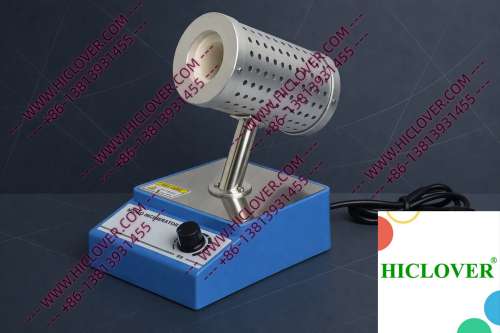
The Micro Incinerator operates on the principle of rapid thermal sterilization, utilizing infrared heat emitted from an enclosed ceramic tube. This technology achieves high-temperature disinfection without the need for flames, thereby enhancing safety and efficiency in cleanroom environments. The enclosed design minimizes the risk of aerosol generation, making it a safe alternative for laboratories with strict biosafety protocols.
Key Components and Configuration
- Enclosed ceramic heating chamber
- Precise temperature control system
- Compact and portable design
- Low power consumption capability
- What is a Micro Incinerator?
A Micro Incinerator is a device designed for rapid thermal sterilization of laboratory implements using infrared heat, eliminating the need for flames.
- Can Micro Incinerators be used in BSL-2 labs?
Yes, Micro Incinerators are ideal for BSL-2 labs due to their high-temperature capabilities and aerosol-free operation.
- How does a Micro Incinerator improve lab safety?
By removing open flames from the sterilization process, Micro Incinerators reduce the risk of burns and fire hazards.
- Are Micro Incinerators energy-efficient?
Yes, they are designed to consume less power compared to traditional flame sterilizers while still achieving effective sterilization.
- What type of labs should consider using Micro Incinerators?
University labs, clinical diagnostics facilities, and any labs performing research requiring high biosafety standards are ideal candidates.
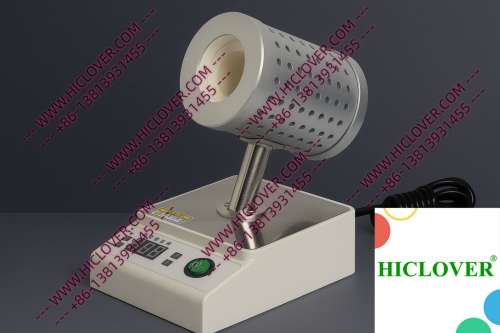
The unique construction of the Micro Incinerator allows it to achieve temperatures upwards of 800°C almost instantaneously, ensuring that inoculating loops and other small implements are sterilized within seconds.
Practical Applications of Micro Incinerators in Laboratories
The Micro Incinerator has proven its value in various laboratory settings, including:
1. University Teaching Labs
In teaching laboratories, particularly those involved in microbiology, the Micro Incinerator serves as a crucial tool for sterilizing inoculating loops quickly between uses. This efficiency allows students to maintain a steady workflow without worrying about prolonged sterilization times that traditional flame sterilizers demand. The absence of an open flame also creates a safer environment for students, reducing burn risks and fire hazards.
2. Biosafety Cabinets
When operating within biosafety cabinets, maintaining a sterile environment is paramount. The compact and aerosol-free design of the Micro Incinerator fits seamlessly within these settings, providing a reliable method for sterilizing tools without compromising biosafety. This integration aids laboratories in achieving compliance with stringent biosafety standards while ensuring personnel safety.
Compliance and Environmental Considerations
Laboratories must adhere to several compliance measures mandated by organizations such as the World Health Organization (WHO) and various biosafety standards related to sterilization practices. Traditional flame-based sterilization methods, like alcohol lamps and Bunsen burners, are often unsuitable for cleanroom applications due to the risk of contamination and the potential for flammable vapors.
According to ISO 15189 and other relevant guidelines, labs are encouraged to adopt non-flame sterilization techniques to minimize contamination risks.
Advantages Over Traditional Flame Sterilizers
Micro Incinerators significantly outperform traditional flame sterilizers in terms of operational efficiency and safety. A comparative overview includes:
| Feature | Micro Incinerator | Flame Sterilizers |
|---|---|---|
| Temperature Control | Accurate and rapid | Manual adjustments needed |
| Aerosol Generation | No aerosols | Risk of aerosols |
| Safety | Flame-free operation | Open flame hazard |
| Portability | Compact and easy to transport | Bulky and less mobile |
FAQs About Micro Incinerators
Conclusion
The adoption of Micro Incinerators in university biology labs and other research environments marks a significant advance in laboratory sterilization practices. By offering a safe, efficient, and effective method for contamination control, these devices align with the rigorous requirements set forth by biosafety standards. Laboratory supply distributors, hospitals, and educational institutions looking to upgrade their sterilization equipment should strongly consider integrating Micro Incinerators into their workflows.
For more information on how a Micro Incinerator can enhance your laboratory’s efficiency and safety, please contact us today or explore our product range!
Categories:
Tags: