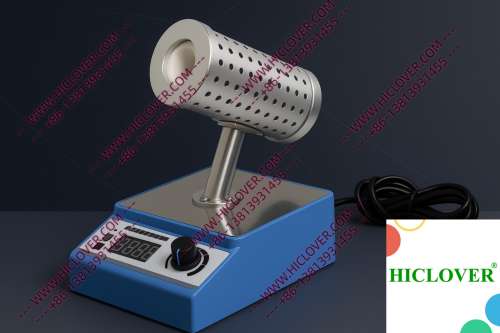
In recent years, laboratory sterilization has faced mounting challenges. Biosafety remains a top concern, particularly with the rising need for efficient sterilization processes in high-stakes environments such as BSL-2 and BSL-3 laboratories. Rapid thermal sterilization methods, such as those employed by Micro Incinerators, are proving to be a revolutionary solution in this realm, addressing both contamination control and workflow efficiency.
The Technical Edge of Micro Incinerators
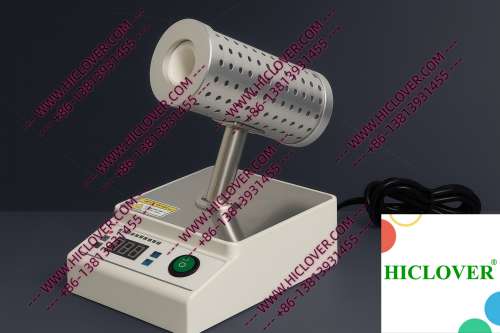
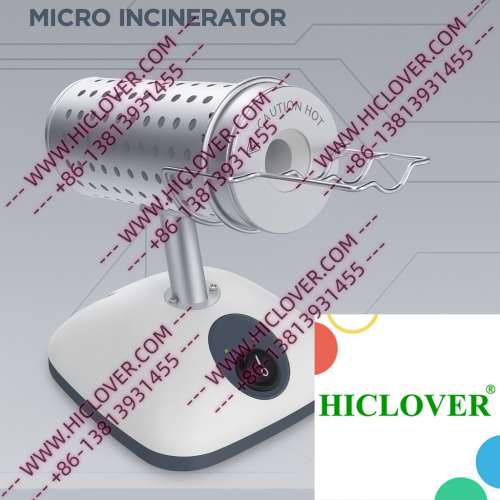
The Micro Incinerator, specifically designed for laboratory sterilization, utilizes infrared heat technology combined with an enclosed ceramic tube. This design allows for direct application of high temperatures, enabling the rapid disinfection of inoculating loops, needles, and other laboratory tools. A key benefit is the absence of open flames, which presents greater safety in both clean-room environments and traditional laboratories.
Micro Incinerators function through a simple yet effective mechanism. When powered, the infrared heating elements facilitate an immediate increase in temperature without the delays associated with traditional flame sterilizers. In an enclosed chamber, this high-temperature disinfection method produces sterile equipment in seconds, minimizing the risk of contamination while enhancing productivity.
Applications of Micro Incinerators
- BSL-2 Microbiology Labs: In research facilities focusing on infectious agents, Micro Incinerators provide a reliable means for sterilizing tools and implements quickly. With heightened biosafety protocols, these devices are indispensable for preventing cross-contamination.
- University Teaching Labs: In academic environments, instructors often demonstrate a variety of sterilization techniques. Micro Incinerators are ideal for teaching purposes, allowing students to observe and understand the importance of efficient sterilization practices without the hazards associated with open flames.
- Field Testing Laboratories: For mobile laboratories engaged in environmental assessments, using Micro Incinerators allows for on-site sterilization without the need for bulky equipment or exposure to flames. Their portability is critical in maintaining a clean work environment while ensuring compliance.
- Protocols for no flame use in clean rooms to prevent contamination.
- Adherence to sterilization standards set forth for laboratory equipment by the ISO.
- Implementation of practices that minimize aerosol generation.
- How does a Micro Incinerator differ from traditional sterilization methods?
Micro Incinerators provide faster sterilization through infrared heat, offer enhanced safety, and minimize aerosol exposure, unlike traditional flame-based methods. - What types of tools can be sterilized using a Micro Incinerator?
This device is ideal for sterilizing inoculating loops, needles, and other metallic laboratory tools. - Are Micro Incinerators suitable for use in field labs?
Yes, their compact design and reliance on electricity make them excellent for mobile field-testing environments. - How does a Micro Incinerator support compliance with WHO guidelines?
The use of closed-system sterilization via infrared heat aligns with WHO biosafety recommendations to prevent contamination and ensure safety. - Can a Micro Incinerator be used in BSL-3 laboratories?
Yes, they are designed to meet the strict sterilization protocols necessary for BSL-3 labs, enhancing biosafety.
Compliance and Safety Standards
Compliance with laboratory sterilization standards is critical to maintaining operational safety and gaining accreditation. The World Health Organization (WHO) outlines stringent biosafety practices that laboratories must adhere to, especially in regards to removing potential contaminants.
Key Compliance Points:
The Micro Incinerator’s operation, free from flames, ensures it meets these requirements while offering improved safety profiles. As Algeria continues to enhance its laboratory practices, adopting technologies that align with WHO guidelines is vital for advancing public health outcomes.
Advantages Over Traditional Flame Sterilizers
When comparing Micro Incinerators to traditional flame sterilizers like alcohol lamps and Bunsen burners, several advantages stand out:
| Feature | Micro Incinerator | Flame Burners |
|---|---|---|
| Temperature Control | Rapid and uniform heating | Variable and less predictable |
| Sterilization Time | <5 seconds | 15-30 seconds |
| Aerosol Generation | Minimal | High |
| Portability | Highly portable | Requires more infrastructure |
| Safety | No open flame risk | High fire hazard |
Frequently Asked Questions
Conclusion
The rise of Micro Incinerators in Algeria marks a significant shift in how laboratories approach sterilization. Their efficiency, safety, and compliance with international standards position them as essential tools for modern lab environments. As biosafety demands evolve, investing in advanced sterilization equipment like the Micro Incinerator will be critical for laboratories aiming for superior operational standards and safety. Contact us today to learn more about integrating this innovative solution into your laboratory space.
Categories:
Tags: