
Laboratories across Saudi Arabia are increasingly challenged by the demand for effective and efficient sterilization methods. With growing concerns over contamination and the critical need for biosafety, traditional sterilization methods—such as alcohol lamps and Bunsen burners—are proving inadequate. This has paved the way for innovative solutions like micro incinerators to enhance laboratory workflows.
Understanding Micro Incinerators and Their Principles
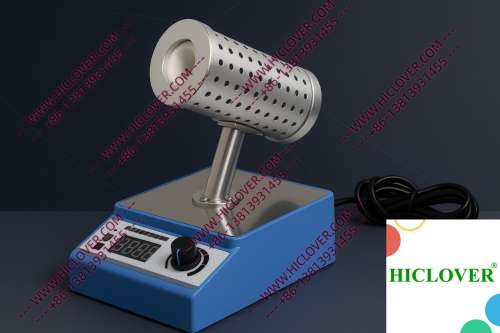
The Micro Incinerator, specifically the Infrared Inoculating Loop Sterilizer, employs advanced thermal sterilization techniques to achieve rapid and effective microbial disinfection. Unlike traditional sterilizers that rely on open flames, the micro incinerator functions through the principles of infrared heat technology. The enclosed ceramic tube provides a controlled environment, achieving high temperatures swiftly and uniformly.
Key Technical Features:
- Infrared Thermal Technology: Allows for consistent and fast heating.
- Enclosed Ceramic Heating Chamber: Offers safety and reduces contamination risks.
- Aerosol-Free Handling: Ensures a clean sterilization experience, especially in BSL-2/BSL-3 environments.
Applications in Laboratory Environments
1. Biosafety Cabinets
In a biosafety cabinet, researchers often work with pathogenic organisms. The Micro Incinerator provides a safe and efficient method to sterilize inoculating loops and other tools without introducing flame-based irruptions into the chamber. This is crucial for maintaining the integrity of both the samples and the workspace.
2. University Teaching Labs
Teaching labs in universities also benefit from incorporating micro incineration technology. Students performing microbiological experiments can practice disinfection techniques with minimal risk, ensuring a safer learning environment. Rapid heating enables quick transitions between experiments, enhancing laboratory workflow efficiency.
Compliance with Biosafety Standards
Organizations such as the World Health Organization (WHO) establish strict biosafety protocols to prevent any breaches that could lead to contamination or infection. Micro Incinerators comply with rigorous lab sterilization standards, ensuring safe practices in clean rooms where no flame should be used. Key compliance benefits include:
- No open flames reduce potential fire hazards.
- Effective aerosol-free operation is critical in high-containment labs.
- Adherence to international health and safety guidelines for laboratory procedures.
Micro Incinerators vs. Traditional Flame Sterilizers
| Feature | Micro Incinerator | Flame Sterilizer |
|---|---|---|
| Heating Method | Infrared heat | Open flame |
| Contamination Control | Enclosed design | Exposed to room air |
| Response Time | Rapid thermal sterilization | Temperature-dependent |
| Aerosol Production | None | Potentially high |
| Operational Safety | High | Moderate to low |
Conclusion
The implementation of micro incinerators for laboratory sterilization in Saudi Arabia signifies a leap forward in biosafety and practicality. By adopting this innovative technology, laboratories can enhance their sterilization workflows while adhering to international standards. If you’re ready to transform your laboratory’s sterilization practices, consider reaching out today to explore our Micro Incinerator solutions tailored to your operational needs.
FAQs
- What is a micro incinerator? A micro incinerator is a sterilization device that uses infrared heat to rapidly and effectively sterilize laboratory instruments.
- Are micro incinerators safe for use in BSL-2 labs? Yes, micro incinerators are designed to provide high levels of safety and contamination control, making them suitable for BSL-2 environments.
- How does the sterilization process work? The device utilizes an enclosed ceramic tube that focuses infrared energy to achieve rapid high-temperature disinfection.
- Can a micro incinerator replace traditional flame sterilizers? Yes, it offers numerous advantages, such as reduced risk of contamination and increased safety.
- What types of labs can benefit from using a micro incinerator? BSL-2/BSL-3 microbiology labs, clinical diagnostics, university teaching labs, and mobile testing labs can all benefit from its use.
Categories:
Tags: