
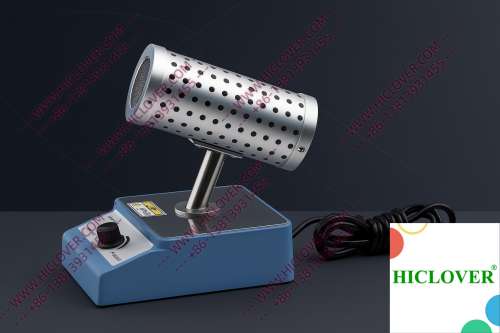
In the bustling clinical landscape of Ho Chi Minh City, hospitals face formidable biosafety challenges when it comes to managing medical waste. With the rise of infectious diseases and advanced medical procedures, effective sterilization has become an essential component of laboratory workflows. The integration of innovative sterilization equipment, particularly the Micro Incinerator also known as the Infrared Inoculating Loop Sterilizer, addresses these challenges while ensuring compliance with stringent health standards.
Emerging Needs in Laboratory Biosafety
As medical facilities strive to improve patient safety and minimize contamination risks, the demand for rapid thermal sterilization methods has surged. Traditional flame sterilizers, like Bunsen burners and alcohol lamps, are increasingly deemed inadequate due to their potential to produce aerosols and pose fire hazards within controlled environments. Moreover, as laboratories enhance their biosafety protocols, the need for effective sterilization that adheres to WHO biosafety standards becomes paramount.
The Technical Principle: How Micro Incinerators Work
The Micro Incinerator utilizes a highly efficient ceramic heating chamber that employs infrared heat to offer uncontested sterilization integrity. By creating a sterile environment free from flames, this device achieves high-temperature disinfection that not only eliminates microbial contamination but also does so without producing harmful by-products. The enclosed ceramic tube ensures focused heat exposure, resulting in rapid sterilization that meets the needs of various laboratory settings.
Applications in Real Labs
1. Biosafety Cabinets
In BSL-2 and BSL-3 laboratories, the Micro Incinerator excels in sterilizing inoculating loops used in microbiological procedures. Its enclosed design prevents aerosolization, maintaining a clean and safe workspace. As researchers manipulate potentially pathogenic organisms under sterile conditions, the Micro Incinerator provides a reliable tool that complies with the highest biosafety standards.
2. Teaching Laboratories
University teaching labs also benefit remarkably from this innovative device. In a controlled classroom setting, students can practice microbiology techniques with confidence, knowing that the Micro Incinerator provides a flame-free option for sterilizing equipment. This not only reduces the risk of fire but also creates an environment conducive to learning, where students can focus on technique without the distractions of managing an open flame.
Compliance with Biosafety Standards
The Micro Incinerator aligns with critical compliance guidelines set by WHO, ensuring that laboratories maintain a safe operating environment. Utilizing a flame-free approach, it mitigates contamination risks associated with traditional methods while adhering to the stringent sterilization standards needed in clinical and academic settings. For instance, flame sterilizers often fall short in clean rooms due to their potential to release particulates; however, infrared sterilization helps maintain the integrity of clean environments.
Micro Incinerator vs. Traditional Flame Sterilizers
| Feature | Micro Incinerator | Flame Burners |
|---|---|---|
| Heat Source | Infrared ceramic heating | Open flame |
| Aerosol Production | No aerosols produced | Aerosols can occur |
| Safety | Flame-free operation | Fire hazards present |
| Speed of Sterilization | Rapid | Variable |
| Environmental Impact | Lower environmental footprint | Higher due to alcohol combustion |
Frequently Asked Questions
- What types of laboratories benefit from a Micro Incinerator?
A: BSL-2 and BSL-3 labs, clinical diagnostics, teaching laboratories, and even field testing labs. - How does the Micro Incinerator ensure compliance with safety standards?
A: It eliminates the risks associated with traditional flame sterilizers, adhering strictly to WHO biosafety guidelines. - Can the Micro Incinerator be used in anaerobic chambers?
A: Yes, its design is suitable for various laboratory conditions, including anaerobic environments. - What advantages does infrared sterilization have over flame-based methods?
A: Infrared sterilization offers faster, cleaner, and safer operation without the risks of fire and aerosol generation. - Is the Micro Incinerator portable for field testing purposes?
A: Yes, it is designed for ease of use, making it suitable for both stationary laboratories and mobile testing applications.
Conclusion: Embrace Innovative Sterilization Solutions
The challenges of medical waste management, particularly in a vibrant urban setting like Ho Chi Minh City, demand innovative solutions. The Micro Incinerator / Infrared Inoculating Loop Sterilizer exemplifies a significant advancement in laboratory sterilization equipment, providing an efficient, safe, and compliant answer to the growing sterilization needs. By investing in this technology, medical facilities and educational institutions can enhance their biosafety protocols and ensure rigorous contamination control.
If you are interested in upgrading your laboratory sterilization equipment or wish to learn more about our range of Micro Incinerators, we invite you to contact us today for consultations and pricing.
Categories:
Tags: