
In the realm of laboratory biosafety, sterilization presents numerous challenges that researchers and practitioners face daily. The need for effective methods to eradicate contaminants without compromising the integrity of scientific work is paramount. Micro incinerators, particularly the Infrared Inoculating Loop Sterilizer, are setting new standards in hygiene, efficiency, and safety in biological laboratories across Finland.
Understanding the Technical Principles of Micro Incinerators
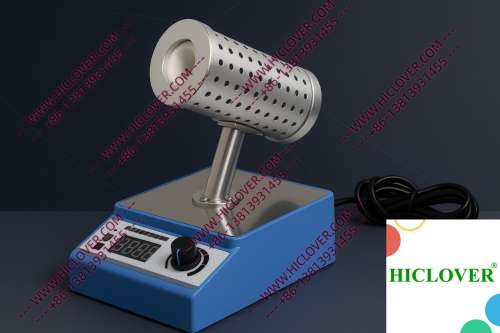
Micro incinerators operate on the principle of rapid thermal sterilization utilizing infrared heat. This advanced sterilization mechanism allows for efficient and controlled heating within an enclosed ceramic tube, reaching high temperatures necessary for the complete disinfection of inoculating loops, needles, and small laboratory equipment.
The design of the Micro Incinerator focuses on minimizing the risk of aerosols, which is crucial for maintaining laboratory cleanliness. The ceramic heating chamber provides a stable and quick response to temperature adjustments, ensuring that the sterilization process is both effective and safe compared to traditional flame sterilizers like alcohol lamps and Bunsen burners.
Application Scenarios in Modern Laboratories
1. Biosafety Cabinet Operations
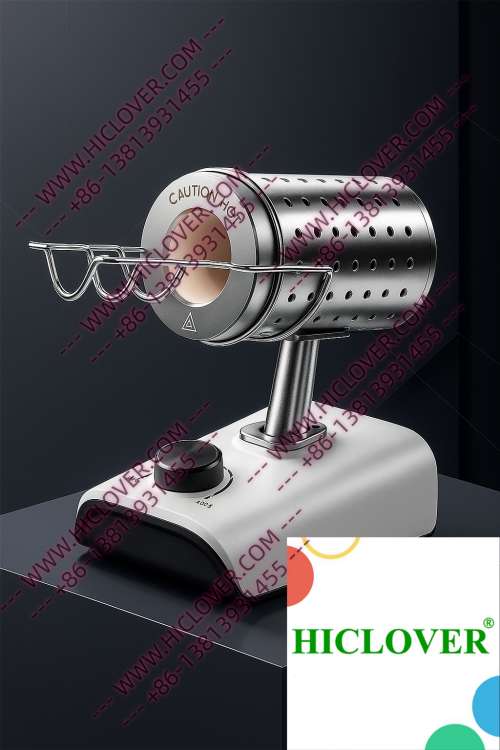
In BSL-2 and BSL-3 microbiology labs, maintaining sterility is critical. Micro incinerators fit seamlessly into the workflow within biosafety cabinets, providing a clean, contained means of sterilization. They allow scientists to work without worry, as the risk associated with flames or open sources of heat is virtually eliminated.
2. Field Testing Laboratories
Mobile or field testing laboratories in Finland, often working in remote areas, require dependable sterilization solutions. Infrared inoculating loop sterilizers are portable, lightweight, and do not necessitate an external power source, making them ideal for rapid sterilization in unpredictable environments. This mobility ensures that researchers can maintain compliance with biohazard safety standards, even when collecting samples in the field.
Compliance with Biosafety and Sterilization Standards
Ensuring compliance with global health and safety guidelines is essential for all laboratories. The World Health Organization (WHO) has laid down comprehensive biosafety standards that emphasize the need for effective sterilization techniques in laboratories. The Micro Incinerator aligns with WHO regulations related to laboratory safety and sterilization, particularly in terms of minimizing the risk of contamination in clean environments.
Additionally, with stringent lab sterilization standards in place, the absence of flames in clean rooms becomes vital. No flame operations not only reduce fire hazards but also mitigate the risks posed by aerosols generated during flame sterilization, making micro incinerators compliant with international biosafety principles.
Advantages Over Traditional Flame Sterilizers
When comparing micro incinerators to traditional flame sterilizers, there are notable advantages:
| Feature | Micro Incinerator | Flame Sterilizers |
|---|---|---|
| Safety | No open flames, reducing fire risks | Open flames pose hazards |
| Efficiency | Rapid thermal sterilization | Slower heating times |
| Cleanliness | Aerosol-free handling | Generates aerosols, increasing contamination risk |
| Environment | Better for clean rooms and BSL settings | Not suitable for strict clean environments |
FAQs About Micro Incinerators
- How does a Micro Incinerator ensure effective sterilization?
- Can Micro Incinerators be used in field testing applications?
- What are the main advantages over alcohol lamps?
- Are Micro Incinerators compliant with international safety regulations?
- What maintenance is required for a Micro Incinerator?
A Micro Incinerator uses infrared heat to provide rapid thermal sterilization, effectively killing bacteria and viruses without producing harmful aerosols.
Yes, their portable design allows for easy use in mobile laboratories, ensuring compliance with biosafety standards even in the field.
Micro Incinerators offer greater safety, efficiency, and cleanliness while being more suitable for modern laboratory environments.
Absolutely, they meet WHO biosafety standards and are designed specifically for labs that require stringent sterilization practices.
Minimal maintenance is needed; regular inspection of heating elements and cleaning of the ceramic tube ensures optimal performance.
Conclusion
The Micro Incinerator stands at the forefront of innovative waste management and laboratory sterilization efforts in Finland, addressing the pressing biosafety challenges posed by traditional sterilization techniques. With its efficiency, safety, and compliance with global standards, it meets the demanding needs of laboratories in BSL-2 and BSL-3 settings, as well as in educational and field applications.
As the landscape of laboratory sterilization evolves, it’s essential that research facilities consider investing in advanced technologies like the Micro Incinerator. To learn more or to place an order for your laboratory, please contact us today!
Categories:
Tags: