
In the bustling metropolis of Jakarta, the healthcare system faces significant biosafety challenges, particularly concerning the management of medical and laboratory waste. A surge in healthcare activity has led to an increase in waste generated by hospitals and laboratories. As a result, the need for reliable sterilization and waste disposal has never been more pressing. Enter the Micro Incinerator, an innovative solution that hospitals are adopting to streamline sterilization processes while enhancing safety standards.
The Challenges of Laboratory Biosafety
Laboratories housed within hospitals must operate under strict biosafety protocols, especially those that handle infectious materials. Traditional flame sterilizers, such as alcohol lamps and Bunsen burners, can introduce various risks, including flame hazards and the potential for aerosolized contaminants. These instruments fail to meet the rigorous sterilization workflow demands of modern clinical diagnostics and research facilities.
The pressure to improve operational efficiency while ensuring maximum contamination control has made advanced sterilization equipment a necessity. This is where the Micro Incinerator comes into play, offering rapid thermal sterilization without the inherent risks associated with open flames.
Understanding the Micro Incinerator’s Technical Principles
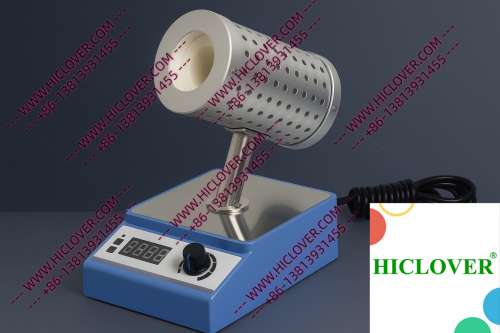
The Micro Incinerator, particularly the Infrared Inoculating Loop Sterilizer, utilizes high-intensity infrared heat to achieve sterile conditions in seconds. It features an enclosed ceramic heating chamber that reaches temperatures exceeding 800°C, enabling effective and efficient disinfection without igniting flammable materials. The compact design and rapid heating capabilities provide a clean-bench-safe alternative for various laboratory applications.
Why Infrared Over Traditional Flame Sterilization?
When compared to traditional flame sterlizers, the Micro Incinerator offers multiple advantages:
| Feature | Micro Incinerator | Flame Sterilizers |
|---|---|---|
| Safety | Flame-free operation, reducing risk of fire | Open flames pose fire hazards |
| Efficiency | Rapid sterilization in seconds | Longer heating times |
| Contamination Control | Aerosol-free handling | Aerosol risk from open flames |
| Usability | Clean-bench-safe design | Harder to use in clean areas |
Application Scenarios in Modern Laboratories
Micro Incinerators are gaining traction across various laboratory settings:
- Biosafety Cabinets: Used to sterilize inoculating loops in High Containment labs, preventing cross-contamination while maintaining sterility.
- Field Testing Labs: Essential for quick sterilization in remote locations where waste management may pose logistical challenges.
- University Teaching Labs: Students gain practical experience with modern sterilization methods that are safe and efficient.
Regional Context: Jakarta’s Shift Towards Modern Sterilization
Jakarta is home to numerous healthcare facilities and universities focusing on research and diagnostics. With a spike in hospitalizations and medical procedures, hospitals are turning to Micro Incinerators not only to streamline their sterilization workflows but also to address critical waste management needs. The adoption of this technology enables these institutions to comply with WHO biosafety standards and local regulations that mandate effective waste disposal practices.
Compliance and Environmental Considerations
As Jakarta’s healthcare sector expands, compliance with global lab sterilization standards becomes paramount. The World Health Organization emphasizes the necessity for medical facilities to innovate waste management solutions that protect both human health and the environment. Unlike alcohol lamps and Bunsen burners, Micro Incinerators operate without open flames, thereby meeting essential biosafety compliance required in clean rooms and advanced research centers.
FAQs about Micro Incinerators
- What is a Micro Incinerator? A Micro Incinerator is an advanced sterilization device that uses infrared heat to rapidly and efficiently sterilize laboratory equipment without open flames.
- How does it improve laboratory safety? By eliminating the risk of open flames, it significantly reduces the potential for fires and aerosol generation in laboratories.
- In what environments can it be utilized? Micro Incinerators are ideal in biosafety labs, clinical diagnostic settings, and educational institutions.
- Is it compliant with WHO standards? Yes, it meets the necessary biosafety protocols established by WHO for handling infectious waste.
- What are the maintenance requirements? Minimal; routine cleaning of the ceramic chamber is generally sufficient to maintain its performance.
Conclusion: Embrace Hazardless Sterilization
The potential of Micro Incinerators to revolutionize waste management in Jakarta’s hospitals is evident. By incorporating this advanced sterilization technology, healthcare facilities can ensure the highest levels of safety and efficiency while complying with international standards. If you’re ready to enhance your laboratory’s sterilization capabilities, consider integrating Micro Incinerators into your workflow. For more information on procurement or inquiries, feel free to contact us today!
Categories:
Tags: