
In recent years, the scientific and medical communities in Bangladesh have faced pressing biosafety challenges. With an increase in laboratory waste, especially in BSL-2 and BSL-3 microbiology labs, traditional sterilization methods — like alcohol lamps and Bunsen burners — have proven to be inadequate. These methods not only pose significant contamination risks but also create unwanted aerosols in clean environments. The need for efficient, safe, and reliable sterilization processes has spurred the rise of innovative technologies, notably the Micro Incinerator, also known as the Infrared Inoculating Loop Sterilizer.
The Technical Principle of Micro Incinerators
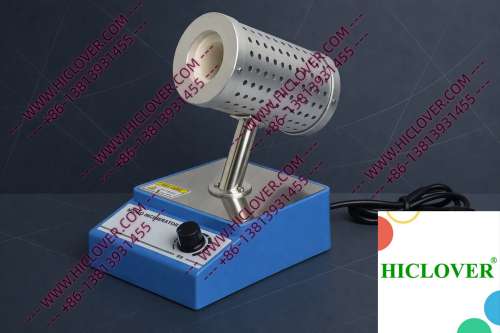
The Micro Incinerator employs infrared heat for rapid thermal sterilization. This technology utilizes a high-temperature, enclosed ceramic heating chamber that achieves temperatures exceeding 800 degrees Celsius. The device ensures a clean, flame-free disinfection process, significantly enhancing contamination control while protecting laboratory and fieldwork environments.
One of the unique features of micro incinerators is their infrared sterilization method, which provides uniform heat distribution, allowing for quick sterilization of inoculating loops and other laboratory instruments. This stands in stark contrast to traditional flame sterilizers, which can lead to uneven heating and, consequently, incomplete sterilization.
Applications in Laboratory Settings
- Biosafety Cabinets: The Micro Incinerator is an ideal tool for use within biosafety cabinets in clinical diagnostics labs. Its enclosed design minimizes the risk of aerosol generation, ensuring a contamination-free environment.
- Field Testing: In mobile laboratories or field testing scenarios, the portability and efficiency of micro incinerators make them indispensable for immediate sterilization needs, especially under varying environmental conditions.
- University Teaching Labs: For educational purposes, micro incinerators serve as a safe alternative for students learning sterilization techniques in laboratory environments without flame hazards.
- Safety: No open flames reduce the risk of fire hazards and the chance of burns or injuries.
- Efficiency: Infrared heating provides rapid thermal sterilization, making it far quicker than conventional methods.
- Clean Environment: Eliminates aerosol and smoke emissions, crucial for maintaining clean samples and protecting sensitive experiments.
- What are the primary benefits of using a Micro Incinerator compared to traditional sterilizers?
- The Micro Incinerator offers superior safety, rapid operation, and a cleaner environment by eliminating aerosols and smoke.
- How does the Micro Incinerator ensure consistent sterilization?
- Through infrared heating, the Micro Incinerator provides uniform temperature distribution, ensuring thorough sterilization of laboratory instruments.
- Can Micro Incinerators be used in teaching laboratories?
- Yes, they are ideal for educational settings as they minimize risks associated with open flames.
- Are Micro Incinerators compliant with WHO guidelines?
- Absolutely, they comply with WHO biosafety regulations, ensuring safe laboratory practices.
- How does the Micro Incinerator reduce environmental impact?
- By avoiding the use of open flames, it generates less pollution and minimizes the risk of hazardous contamination.
Compliance and Environmental Impact
Micro incinerators align with the WHO biosafety guidelines and various laboratory sterilization standards. Their ability to operate without open flames is crucial in maintaining compliance within clean rooms, eliminating the risk of accidental ignition, and providing a safer workspace for researchers and students alike. Moreover, utilizing micro incinerators minimizes hazardous waste generation, complying with environmental regulations aimed at reducing the environmental footprint of laboratory operations.
Advantages Over Traditional Flame Sterilizers
Transitioning from traditional flame sterilizers to micro incinerators offers significant benefits:
Comparison Table: Micro Incinerator vs. Flame Burners
| Feature | Micro Incinerator | Flame Burners |
|---|---|---|
| Heating Method | Infrared | Open flame |
| Safety | No fire risk | High fire risk |
| Speed of Operation | Rapid | Variable |
| Environmental Impact | Minimal | Higher emissions |
FAQs About Micro Incinerators
Conclusion
The rise of micro incinerators in Bangladesh represents a significant shift toward more innovative waste management solutions in laboratories. By adopting these advanced sterilization devices, labs not only improve their biosafety compliance but also enhance overall operational efficiency. For laboratory supply distributors, hospitals, universities, and research centers looking to improve their sterilization processes, the Micro Incinerator is an essential investment for a cleaner, safer, and more effective working environment. Contact us today to learn how our range of Micro Incinerators can significantly benefit your laboratory operations.
Categories:
Tags: