
As laboratory biosafety becomes a pressing concern for hospitals, the demand for effective sterilization workflows has never been higher. Healthcare facilities, particularly in regions like Washington, DC, are reevaluating traditional waste management methods. The growing focus on controlling contamination and ensuring worker safety has led to a rise in the adoption of advanced sterilization equipment, notably the Micro Incinerator or Infrared Inoculating Loop Sterilizer.
Technical Principles of Micro Incinerators
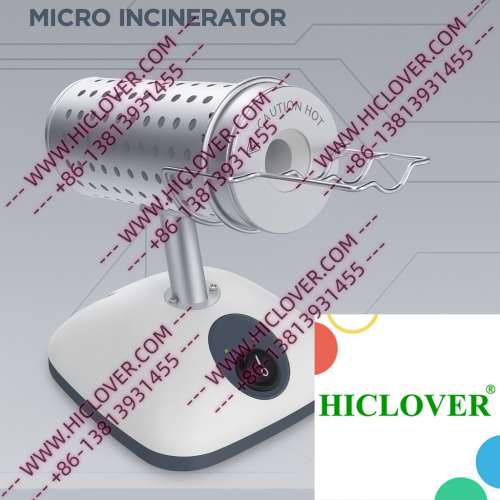
The Micro Incinerator utilizes an innovative ceramic heating chamber that provides rapid thermal sterilization without the risk associated with open flames. By generating infrared heat, it efficiently sterilizes inoculating loops and other small laboratory tools within seconds. This technique ensures high-temperature disinfection, eliminating microbial life forms effectively while maintaining the integrity of surrounding workspaces.
- Infrared High-Temperature Disinfection: The device reaches sterilization temperatures quickly, saving time.
- Enclosed Ceramic Tube: Provides a controlled environment for sterilization, reducing aerosol production.
- Clean-Bench-Safe Operation: Compatible with biosafety cabinets, critical for labs handling BSL-2 and BSL-3 pathogens.
Applications in Various Laboratory Settings
1. Biosafety Cabinets
In biosafety cabinets, the Micro Incinerator plays a crucial role in maintaining sterile conditions. When using biopsy needles or inoculating loops inside these controlled environments, traditional flame sterilizers pose risks of aerosol contamination. The infrared sterilizer, on the other hand, operates without flame, ensuring that no harmful aerosols are released, thus safeguarding lab personnel against possible exposure to pathogens.
2. Field Testing and Mobile Labs
Mobile or field testing labs are increasingly implementing Micro Incinerators, recognizing their advantages in remote locations where traditional sterilization methods are impractical. The ability to sterilize instruments quickly using electrical power or portable units enhances field testing capabilities, allowing clinical diagnostics practitioners to collect and analyze samples on-site without compromising safety protocols.
Compliance with Biosafety Standards
Compliance with international and national biosafety regulations is imperative for laboratory operations. The World Health Organization (WHO) has laid out guidelines emphasizing the need for efficient sterilization techniques that minimize the risk of contamination. Unlike flame sterilizers, which can ignite flammable materials or create uncontrolled environments, Micro Incinerators ensure compliance with laboratory sterilization standards, making them suitable for use in clean rooms and sensitive areas. Key compliance points include:
- Adherence to WHO biosafety regulations.
- Meeting ISO standards for medical device sterilization.
- Reducing the use of flame in clean room operations.
Advantages Over Traditional Flame Sterilizers
When comparing the Micro Incinerator with traditional flame sterilizers like alcohol lamps and Bunsen burners, it’s critical to note several advantages:
| Feature | Micro Incinerator | Flame Burners |
|---|---|---|
| Safety | No flame, reduced risk of fire | Open flame, higher fire hazards |
| Efficiency | Rapid thermal sterilization | Slower, requires continuous flame control |
| Contamination Control | No aerosols produced | Aerosol generation possible |
| Portability | Compact and mobile | Less portable due to fuel requirements |
FAQs About Micro Incinerators
- What is a Micro Incinerator? It is an electrical device designed for rapid sterilization of laboratory equipment using infrared heat.
- How does it enhance laboratory safety? It eliminates the risks associated with open flames, reducing the chance of fire hazards and aerosol contamination.
- Is it suitable for all laboratory settings? Yes, it is compatible with various lab environments, including BSL-2 and BSL-3 labs.
- What are the maintenance requirements for a Micro Incinerator? Regular cleaning of the ceramic tube and inspection of electrical components is recommended.
- Can it be used in field testing environments? Absolutely, its compact design makes it ideal for mobile or remote laboratory operations.
Conclusion
The rise of Micro Incinerators in hospitals across Washington, DC, is indicative of a forward-thinking approach to laboratory management and biosafety. By replacing traditional flame sterilizers with advanced infrared technologies, healthcare facilities can ensure compliance with safety standards while improving contamination control. If you’re looking to enhance your laboratory’s sterilization capabilities, consider investing in a Micro Incinerator or Infrared Inoculating Loop Sterilizer. Contact us today for more information or to place an order!
Categories:
Tags: