
In the bustling city of Tokyo, where laboratory biosafety challenges intersect with sustainability goals, innovative solutions are imperative. The reliance on traditional sterilization methods, such as alcohol lamps and Bunsen burners, can lead to issues, including contamination control failures and hazardous emissions. As the city continually strives for environmental excellence, the adoption of advanced sterilization technologies—like the Micro Incinerator or Infrared Inoculating Loop Sterilizer—offers a viable pathway towards achieving these sustainable objectives while enhancing laboratory efficiency.
Technical Principles Behind Micro Incinerators
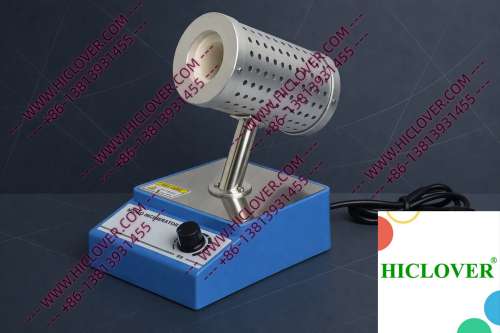
At the core of the Micro Incinerator’s innovative design lies the principle of infrared thermal sterilization. Unlike conventional flame sterilizers, which often produce an open flame that can compromise clean environments, Micro Incinerators use high-temperature ceramic heating chambers to achieve rapid thermal sterilization. The enclosed ceramic tube efficiently emits infrared heat, allowing for precise temperature control without the risk of flame hazards.
This design not only facilitates aerosol-free handling but also contributes to streamlined workflows in various laboratory settings. The ability to sterilize inoculating loops, needles, and other small instruments quickly ensures that contamination is minimized, especially in BSL-2 and BSL-3 microbiology labs, where strict sanitation protocols are requisite.
Applications in Laboratory Settings
- Biosafety Cabinets: Micro Incinerators are perfect for use inside biosafety cabinets, offering a clean and safe means of sterilizing instruments without generating harmful fumes. The infrared technology ensures that the sterilization process can occur without interfering with airflow dynamics crucial for maintaining sterile conditions.
- Field Testing Labs: Portable configurations of Micro Incinerators allow researchers in field testing labs to carry out sterilization tasks on-site, reducing transportation-related contamination risks. Their lightweight and compact design ensures that researchers can rely on rapid, on-the-spot sterilization.
- University Teaching Labs: In an educational environment, the use of Micro Incinerators enhances student understanding of modern biosafety practices. As students observe the rapid sterilization process firsthand, they gain invaluable insights into laboratory technology and hygiene.
- What is a Micro Incinerator? A Micro Incinerator is an advanced sterilization device utilizing infrared heat to quickly and safely sterilize laboratory instruments.
- How does the infrared sterilization process work? The Micro Incinerator generates focused infrared heat within a ceramic chamber, achieving high-temperature disinfection in a controlled environment.
- Is a Micro Incinerator safe to use in clean rooms? Yes, it is designed without an open flame, making it suitable for use in clean rooms and biosafety cabinets.
- Can it be used for field applications? Absolutely, portable Micro Incinerators are perfect for mobile or field testing labs, ensuring sterilization on-site.
- How does it improve laboratory workflows? By providing rapid thermal sterilization, it minimizes downtime and enhances efficiency, especially in high-throughput environments.
Compliance with Biosafety Standards
Operating within safe and compliant frameworks is crucial for laboratories engaged in clinical diagnostics and research. The World Health Organization (WHO) outlines biosafety standards that modern laboratories must adhere to, including stringent sterilization protocols. Traditional sterilization methods, such as flame sterilizers, may pose significant risks in clean rooms due to their open flames and potential for aerosols.
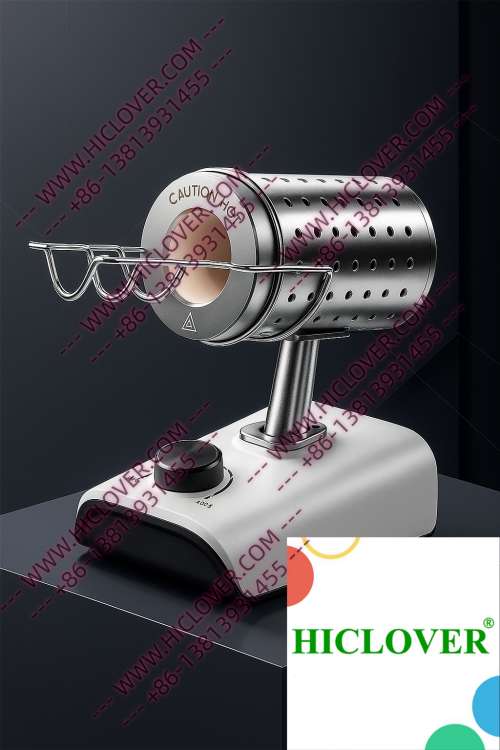
Using Micro Incinerators aligns with these safety standards by ensuring no flames are present in clean environments. This technology also meets international lab sterilization standards, making it suitable for diverse applications from clinical diagnostics to advanced research settings.
Comparison of Sterilization Methods
| Feature | Micro Incinerator | Flame Burners |
|---|---|---|
| Temperature Control | Precise infrared regulation | Variable, dependent on user |
| Safety | No open flame; enclosed design | Open flame; potential risk of burns |
| Contamination Control | Aerosol-free handling | Potential aerosol generation |
| Sustainability | Energy-efficient | Higher carbon footprint |
Why Micro Incinerators Matter for Laboratories
Tokyo’s commitment to environmental sustainability echoes throughout urban and laboratory spaces. As researchers and laboratory technicians navigate the demands of biosafety, the Micro Incinerator emerges as a key player in modern sterilization protocols. Leveraging infrared technology, this equipment not only satisfies immediate sterilization needs but also aligns with broader sustainability objectives.
FAQs about Micro Incinerators
Conclusion
As laboratories in Tokyo and beyond confront the dual imperatives of safety and sustainability, adopting innovative solutions such as the Micro Incinerator becomes essential. Its advanced features not only facilitate compliance with biosafety standards but also minimize environmental impact, making it an ideal choice for contemporary lab settings. For those interested in enhancing their laboratory’s sterilization workflow, consider exploring our range of Micro Incinerators today. Contact us to discuss how we can support your laboratory’s needs.
Categories:
Tags: