
In the ever-evolving landscape of laboratory biosafety, tackling contamination remains a primary challenge. With rising demands for efficient sterilization workflows in both academic and clinical settings, the adoption of advanced sterilization equipment has become vital. One such innovation is the Micro Incinerator, specifically the Infrared Inoculating Loop Sterilizer. This technology is particularly significant as Zambia and other nations seek sustainable solutions for laboratory waste management and sterilization.
Understanding the Micro Incinerator
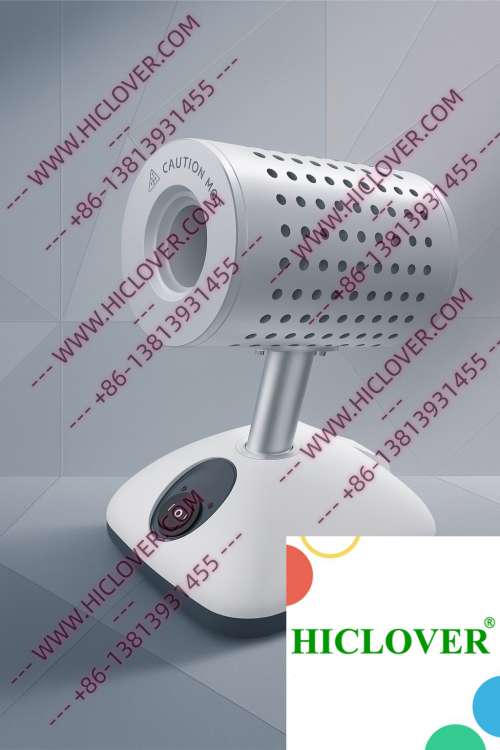
At the crux of the Micro Incinerator’s effectiveness is its technical principle, which involves infrared heat. Unlike traditional methods such as alcohol lamps or Bunsen burners that pose safety hazards including open flames and soot, the Micro Incinerator employs an enclosed ceramic heating chamber. This design accelerates thermal sterilization while ensuring a clean-bench-safe environment. The infrared sterilizer reaches high temperatures rapidly, allowing for efficient disinfection of inoculating loops and other tools used in laboratory settings.
Key Features of Micro Incinerators
- Rapid Thermal Sterilization: Achieves sterilization quickly without residual contamination.
- Aerosol-Free Handling: Reduces the risk of aerosol transmission during sterilization processes.
- Energy Efficiency: Uses less energy compared to traditional flame-based sterilizers.
- Durability: Constructed to withstand lab environments with minimal maintenance.
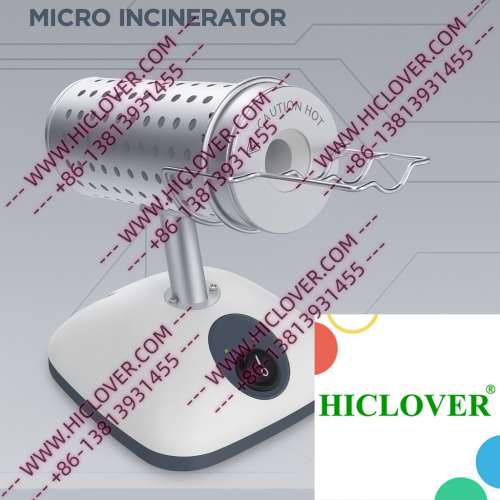
Applications in Laboratory Settings
Micro Incinerators are not only pivotal in Zambian laboratories but can also be instrumental across various operational environments:
1. Biosafety Cabinets
In BSL-2 and BSL-3 microbiology labs where strict biosafety protocols are crucial, Micro Incinerators provide a safe method for sterilizing tools without disturbing airflow or creating aerosols. The contained heating mechanism offers an added layer of biosafety, thereby complying with WHO lab sterilization standards.
2. Field Testing Laboratories
Mobile or field testing labs, especially in rural areas of Zambia, can significantly benefit from the portability and efficiency of Micro Incinerators. Providing rapid sterilization capabilities in field conditions, these devices ensure that research teams can maintain a high level of contamination control, regardless of location.
Compliance and Environmental Considerations
Globally, there’s a heightened emphasis on maintaining laboratory standards while practicing environmental sustainability. The Micro Incinerator contributes to this movement by eliminating the need for hazardous materials often associated with traditional flame sterility methods. It aligns perfectly with global biosafety regulations, including those set by the WHO and other health organizations, emphasizing environmental stewardship in laboratory practices.
Traditional flame sterilizers, not only risk contamination but can be detrimental to cleanroom operations where the presence of open flames is prohibited. In this context, investing in Micro Incinerators is a step towards achieving compliance while supporting safe laboratory practices, particularly in clinical diagnostics and university teaching labs.
Comparative Analysis of Sterilization Methods
| Feature | Micro Incinerator | Flame Sterilizers |
|---|---|---|
| Temperature Control | Precise infrared control | Manual adjustment |
| Contamination Risk | Low (aerosol-free) | High (open flames) |
| Energy Consumption | Low | High |
| Usability | Simple, one-touch operation | Requires skill and safety precautions |
Frequently Asked Questions
What types of laboratories can benefit from using a Micro Incinerator?
Micro Incinerators are ideal for BSL-2 and BSL-3 labs, teaching laboratories, and mobile field-testing environments, where maintaining sterile conditions is crucial.
How does a Micro Incinerator reduce the risk of contamination?
By utilizing infrared heat and an enclosed design, the Micro Incinerator provides high-temperature sterilization without open flames, effectively minimizing contamination risk.
Can Micro Incinerators be used in cleanroom environments?
Yes, the absence of open flames in Micro Incinerators makes them suitable for cleanroom use, where maintaining a contaminant-free environment is essential.
How does the cost of a Micro Incinerator compare to traditional sterilizers?
While initial costs may be higher, the long-term savings in energy efficiency and reduced contamination incidents make Micro Incinerators economically beneficial over time.
Are there any specific training requirements for using a Micro Incinerator?
Training is minimal due to the user-friendly design; however, understanding biosafety protocols is essential for effective operation in laboratory settings.
Conclusion
As Zambia and various regions embrace innovation in waste management and biosafety, the Micro Incinerator emerges as a game-changing solution. Its rapid sterilization capability, energy efficiency, and compliance with global standards position it as a top choice for laboratories seeking to improve their workflows and safety protocols. For distributors and laboratories eager to elevate their sterilization processes, the Micro Incinerator represents an opportunity worth exploring. Contact us today to learn more about our high-quality Micro Incinerators tailored for your specific needs!
Categories:
Tags: