
In South Africa’s small towns, the integral role of laboratory biosafety is being emphasized now more than ever, particularly in response to rising health concerns and the increasing need for effective sterilization methods. Traditional sterilization techniques, such as flame-based systems, are becoming inadequate due to their limitations, including variable effectiveness, the risk of contamination, and the challenges they pose in sensitive lab environments.
Laboratory Biosafety Challenges in South Africa
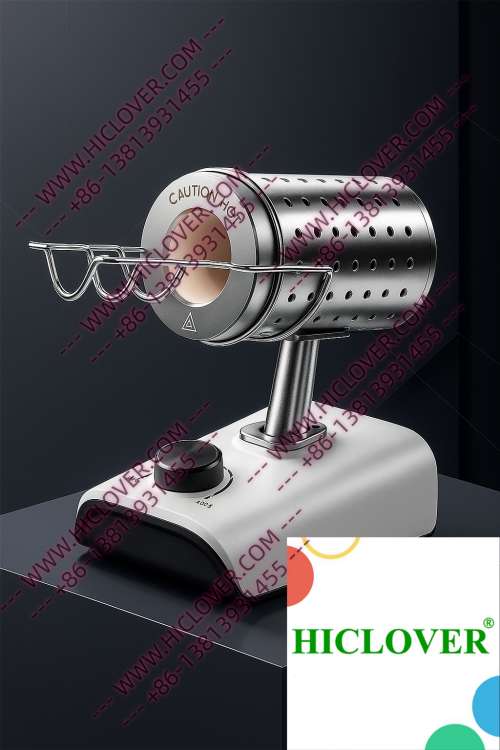
Laboratories in South Africa face numerous biosafety challenges, from maintaining clean environments to ensuring that harmful pathogens are effectively eradicated. The incorporation of micro incinerators, especially the Micro Incinerator / Infrared Inoculating Loop Sterilizer, provides a solution to these issues. This modern approach aids in advanced sterilization workflows by addressing the specific needs of both academic and clinical labs.
Technical Principle of Micro Incinerators
The Micro Incinerator operates on the principle of rapid thermal sterilization, employing infrared heat for high-temperature disinfection. Utilizing a ceramic heating chamber, it generates efficient and consistent heating. Unlike traditional flame sterilizers like Bunsen burners and alcohol lamps, the Micro Incinerator provides precise temperature control and eliminates the risk of fire and toxic fumes.
- Enclosed Ceramic Tube: Ensures safety and minimizes the risk of accidental burns.
- Infrared Technology: Allows for effective sterilization without aerosol generation, making it ideal for cleanbench environments.
- Portable Design: Facilitates ease of use in both stationary laboratory settings and field applications.
- What is a micro incinerator? A micro incinerator is a sterilization device that uses infrared heat for rapid thermal sterilization of laboratory instruments, providing a safe alternative to traditional flame sterilizers.
- How does infrared sterilization work? It generates concentrated heat using infrared technology within an enclosed ceramic tube, ensuring efficient disinfection while preventing toxic aerosol generation.
- In what lab environments can micro incinerators be used? Micro incinerators are suitable for university teaching labs, clinical diagnostics, and field testing labs, particularly those handling pathogens in BSL-2 and BSL-3 settings.
- Are micro incinerators environmentally friendly? Yes, they reduce the carbon footprint associated with traditional flame sterilizers and minimize toxic emissions.
- How do I maintain a micro incinerator? Regular cleaning of the ceramic tube and periodic checks of its electrical components ensure optimal performance.
Application Scenarios
1. University Teaching Labs
In educational institutions, the Micro Incinerator shines in fostering a safe and hygienic atmosphere for students and faculty alike. When sterilizing inoculating loops and other laboratory instruments, its rapid thermal sterilization capabilities excel, drastically reducing wait times and improving productivity. There is no need for open flames, thereby making it a perfect alternative for BSL-2 microbiology labs, where flame use might be a risk factor.
2. Field Testing Labs
In mobile testing laboratories, particularly in rural healthcare settings, the Micro Incinerator demonstrates versatility and reliability. It provides a clean, sterilization method for collecting and analyzing microbial samples, ensuring that field conditions do not compromise test integrity. The portability and efficiency of the device allow for quick sterilization of tools in real-time, enhancing operational efficacy.
Compliance and Environmental Considerations
Compliance with WHO biosafety and laboratory sterilization standards is critical. In BSL-3 environments focusing on high-risk pathogens, the Micro Incinerator meets the requirements effectively. It maintains a flame-free workspace essential for keeping clean rooms sterile. Furthermore, its efficient design contributes positively to environmental sustainability by limiting carbon footprint linked to traditional sterilization processes.
Benefits Over Traditional Flame Sterilizers
| Feature | Micro Incinerator | Traditional Flame Sterilizers |
|---|---|---|
| Safety | Enclosed, flame-free operation | Open flame, higher risk of accidents |
| Temperature Control | Precise thermal regulation | Variable flame intensity |
| Air Quality | Aerosol-free, minimized toxicity | Risk of toxic fume emissions |
| Usability | Portable, easy to operate | Less portable, requires more setup |
FAQs
Conclusion
The rise of micro incinerators like the Micro Incinerator / Infrared Inoculating Loop Sterilizer marks a transformative step towards enhancing laboratory safety and efficiency in South Africa’s small towns. By providing a compact, reliable, and environmentally friendly sterilization solution, these devices are set to become indispensable in modern laboratories. For organizations looking to upgrade their sterilization practices, now is the perfect time to explore procurement options. Reach out today to learn more about how these innovative solutions can enhance your lab operations.
Categories:
Tags: