
In today’s challenging laboratory environment, where biosafety and contamination control are paramount, the demand for efficient sterilization tools is greater than ever. Laboratories in Uganda, particularly in urban areas, face significant hurdles when it comes to waste disposal and sterilization processes. Conventional methods, while effective in some cases, often introduce risks associated with open flames. This is where innovative solutions like Micro Incinerators, specifically the Infrared Inoculating Loop Sterilizer, come into play, offering a pathway to improved sterilization workflows.
Technical Principles of Micro Incinerators
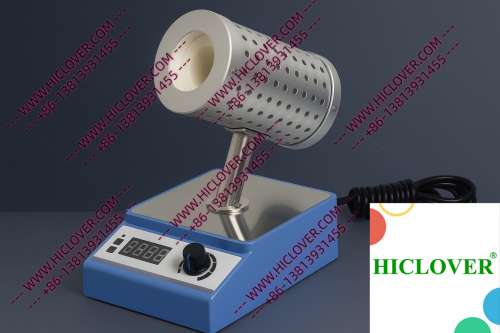
Micro Incinerators operate on the principle of rapid thermal sterilization using infrared heat. Unlike traditional flame-based sterilizers such as alcohol lamps and Bunsen burners, which can pose risks of fire and uncontrolled temperatures, Micro Incinerators utilize enclosed ceramic heating chambers. This design ensures that the sterilization process is not only effective but also safe for laboratory environments. The infrared technology allows for high temperatures to be reached quickly, making it an efficient option for decontaminating inoculating loops, needles, and other laboratory implements.
Applications of Micro Incinerators in Laboratory Settings
- Biosafety Cabinets: In BSL-2 and BSL-3 microbiology labs, where the risk of pathogen exposure is significant, using Micro Incinerators ensures that sterilization is performed in a clean and safe manner. The aerosol-free operation minimizes contamination, providing a secure working environment while maintaining compliance with biosafety guidelines.
- Field Testing: Many laboratories in Uganda often face the need for mobile sterilization during field tests. Micro Incinerators offer a portable solution, allowing researchers and technicians to maintain rigorous safety protocols while working in less-than-ideal conditions. Their lightweight design makes them suitable for use in remote areas, further enhancing their utility in diverse settings.
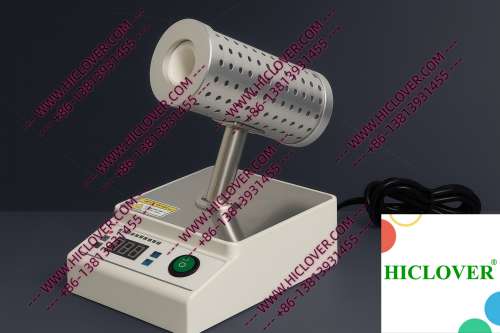
Why Micro Incinerators? Advantages Over Traditional Flame Sterilizers
| Feature | Micro Incinerator | Flame Sterilizer |
|---|---|---|
| Safety | No open flame, reducing fire hazards | Open flame can cause burns and fires |
| Efficiency | Rapid heat-up time for fast sterilization | Longer to reach optimal temperature |
| Contamination Control | Enclosed design prevents aerosol dispersal | Aerosols can spread during use |
| Flexibility | Portable for field use | Generally fixed installations |
Compliance with Biosafety and Lab Standards
Ensuring compliance with global biosafety standards is critical in any laboratory setting. The World Health Organization (WHO) outlines several guidelines for lab sterilization that are designed to minimize risks associated with laboratory waste. Micro Incinerators stand out as compliant devices, especially in clean room environments that avoid the use of flames. By utilizing infrared high-temperature disinfection methods, these sterilizers meet the necessary sterilization standards while ensuring personnel safety.
Regional Context: Uganda’s Urban Laboratories
In urban areas of Uganda, the challenges related to laboratory waste disposal and sterilization efficiency are compounded by limited resources and infrastructure. The introduction of Micro Incinerators not only addresses these technical challenges but also contributes positively to the overall health and safety protocols within local medical and research facilities. As more laboratories adopt these technologies, they not only enhance their sterilization capabilities but also promote a safer environment for researchers and healthcare professionals alike.
Frequently Asked Questions
- What are the key benefits of using a Micro Incinerator in laboratory settings?
Micro Incinerators provide enhanced safety, quicker sterilization times, and better contamination control compared to traditional flame sterilizers. - How does the infrared technology in Micro Incinerators work?
Infrared technology generates rapid heat that is enclosed, allowing for effective sterilization while minimizing aerosols and contamination risk. - Can Micro Incinerators be used in fieldwork?
Yes, their portable design makes them highly suitable for mobile laboratory settings and field testing. - Are Micro Incinerators compliant with WHO standards?
Yes, they meet key biosafety and lab sterilization standards outlined by organizations like the WHO. - What types of laboratory environments can benefit from Micro Incinerators?
They are ideal for BSL-2 and BSL-3 labs, clinical diagnostics, teaching labs, and field testing laboratories.
Conclusion: Transform Your Laboratory Today
Incorporating Micro Incinerators into your laboratory sterilization workflow can revolutionize your approach to biosafety and contamination control. With the advantages of rapid thermal sterilization, enhanced safety, and compliance with international standards, the Micro Incinerator is a vital tool for any laboratory setting. As Uganda continues to develop its laboratory infrastructure, the transition to this innovative waste solution offers a brighter, safer future for urban health initiatives and research efforts. If you’re interested in upgrading your laboratory tools and ensuring the highest level of safety, contact us for more information on our Micro Incinerator products.
Categories:
Tags: