
Laboratories across Indonesia face ongoing challenges in biosafety and sterilization workflows, particularly within the realms of clinical diagnostics and research. As stringent hygiene protocols evolve, the efficient and effective sterilization of inoculating loops and other lab instruments is critical. Micro incinerators, specifically the Infrared Inoculating Loop Sterilizer, offer a transformative solution to these challenges, providing rapid thermal sterilization that enhances laboratory safety and workflow.
Understanding Micro Incinerators
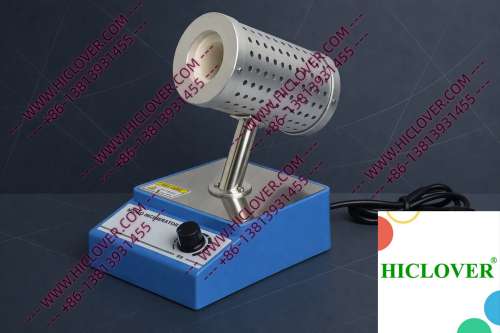
Micro incinerators operate on the principle of infrared heat generation within an enclosed ceramic heating chamber. This innovative design enables high-temperature disinfection without the risks associated with traditional flame sterilizers such as alcohol lamps and Bunsen burners. The unit’s ceramic tube boasts rapid heating capabilities, allowing for aerosol-free handling and minimizing contamination risks. Laboratories can achieve quick turnaround times in their sterilization processes, crucial for maintaining operational efficiency and adhering to best practices in biosafety.
Key Features of Micro Incinerators
- Rapid Thermal Sterilization: Achieves sterilization within seconds, drastically reducing wait times.
- Contamination Control: Enclosed design minimizes the risk of airborne contamination.
- Ceramic Heating Chamber: Provides efficiency and stability in temperature management.
- Clean-Bench-Safe: Compatible with clean benches, maintaining sterile environments.
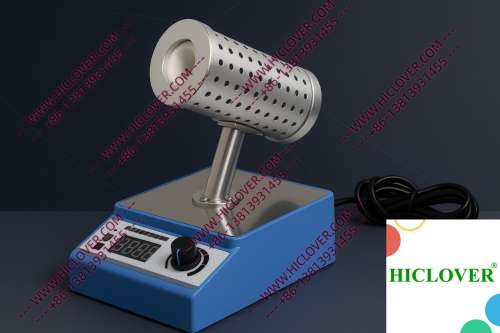
Application Scenarios in Laboratories
1. Utilizing Micro Incinerators in Biosafety Cabinets
Biosafety cabinets are essential in BSL-2 and BSL-3 microbiology labs where pathogens are handled. The use of a micro incinerator ensures that inoculating loops are sterilized before they come into contact with cultures, significantly decreasing the chances of cross-contamination. For instance, during the preparation of bacterial samples, lab technicians can effortlessly sterilize their tools without worrying about open flames, which might compromise the controlled environment of the cabinet.
2. Field Testing in Health Research
In mobile or field testing labs, researchers often encounter environments where traditional gas-fired sterilizers cannot operate. The compact and lightweight nature of micro incinerators makes them an ideal solution in such scenarios. For example, during field studies involving the collection of water samples in rural areas of Indonesia, research teams can conveniently sterilize their tools on-site. This not only ensures the integrity of the collected samples but also aids in rapid data collection and analysis.
Compliance and Environmental Considerations
Compliance with international biosafety standards, such as those set by the World Health Organization (WHO), is crucial for laboratories handling infectious materials. Micro incinerators comply with laboratory sterilization standards that favor clean environments. The absence of flames in clean rooms ensures that no particulate matter or soot contaminates sensitive experiments. Moreover, micro incinerators promote sustainable practices, reducing the carbon footprint associated with overusing disposable sterilization supplies.
By engaging with micro incinerators, laboratories can uphold standards while also supporting Indonesia’s commitment to environmental stewardship. Clean incineration processes help reduce the challenges associated with waste disposal, particularly in rural and densely populated urban areas.
Comparison of Micro Incinerators vs. Traditional Flame Sterilizers
| Feature | Micro Incinerator | Flame Sterilizer |
|---|---|---|
| Heating Method | Infrared Heat | Open Flame |
| Safety | Aerosol-Free Handling | Risk of Fire Hazard |
| Operational Speed | Seconds | Minutes |
| Environmental Impact | Minimal | Higher Carbon Footprint |
Frequently Asked Questions (FAQs)
What is the main advantage of using a micro incinerator in laboratories?
The main advantage is its ability to rapidly sterilize tools without the operational risks associated with flame sterilizers, significantly improving safety and workflow efficiency.
Can micro incinerators be used in field testing settings?
Yes, their compact design makes them ideal for mobile labs conducting field research, allowing for on-site sterilization of instrumentation.
How do micro incinerators support compliance with WHO standards?
Micro incinerators support compliance by eliminating the hazards of open flames, maintaining a cleaner and safer laboratory environment, and reducing the potential for cross-contamination.
What materials can be sterilized using micro incinerators?
Micro incinerators are designed to sterilize inoculating loops, needles, and other lab equipment that can withstand high temperatures.
Are micro incinerators portable?
Yes, many models are designed to be lightweight and portable, making them practical for both laboratory and field application.
Conclusion
Innovation in laboratory sterilization is essential for ensuring safety and efficiency across various settings. Micro incinerators, particularly the Infrared Inoculating Loop Sterilizer, provide unparalleled advantages over traditional flame sterilizers while meeting rigorous compliance standards. As Indonesia continues to modernize its healthcare and research facilities, integrating these advanced waste solutions will be pivotal.
For organizations eager to enhance their laboratory operations, consider investing in micro incinerators. Reach out to us today for a consultation or to explore our product offerings!
Categories:
Tags: