
In the ever-evolving landscape of laboratory biosafety, one of the most pressing challenges is the effective sterilization of equipment and materials to prevent contamination. The demand for reliable sterilization workflows is particularly critical in environments such as BSL-2 and BSL-3 microbiology labs, teaching labs, and even mobile field testing units. Traditional methods like alcohol lamps and Bunsen burners pose significant risks, including flame hazards and incomplete sterilization. Enter the Micro Incinerator, an innovative solution that not only addresses these issues but also aligns with modern biosafety standards.
Understanding Micro Incinerators and Their Technical Principles
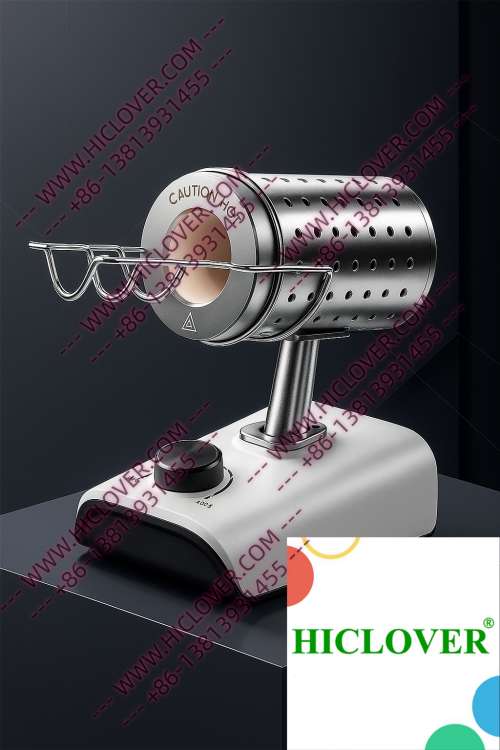
The Micro Incinerator, specifically the Infrared Inoculating Loop Sterilizer, operates through rapid thermal sterilization using infrared heat. This technology is housed within an enclosed ceramic tube that ensures uniform heating and efficient disinfection of inoculating loops, needles, and other lab tools. Unlike traditional flame sterilizers, which can produce aerosols and compromise safety, the Micro Incinerator provides clean-bench-safe sterilization, making it an ideal choice for sensitive laboratory environments.
Key Features of the Micro Incinerator
- Rapid Sterilization: Heats up quickly, allowing for nearly instantaneous disinfection.
- Clean-Bench-Safe Operation: Eliminates the risk of fire hazards associated with open flames.
- Contamination Control: Designed to minimize aerosol production.
- Durability: The ceramic heating element offers long-lasting performance.
- Portability: Easy to transport for fieldwork or remote laboratory settings.
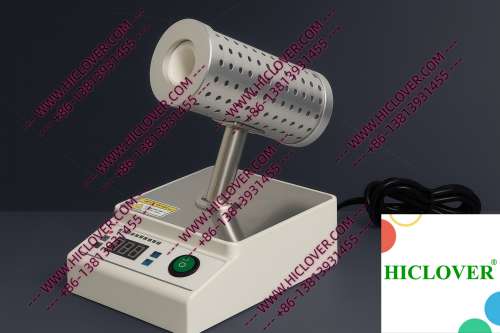
Application Scenarios in Real Laboratories
1. Biosafety Cabinets in Clinical Diagnostics Labs
In clinical diagnostics, especially in Belgian hospitals and research institutions, biosafety cabinets play a pivotal role in maintaining a sterile environment. The use of a Micro Incinerator directly within these cabinets allows lab personnel to sterilize tools without compromising the cabinet’s airflow system. The infrared technology ensures that sterilization is effective while keeping the biosafety environment intact, preventing the dispersion of contaminants and upholding the laboratory’s stringent safety protocols.
2. Field Testing Laboratories in Microbiology Research
For mobile field testing labs, where conditions can be unpredictable, a Micro Incinerator proves invaluable. Its portability and efficiency allow researchers to sterilize their tools on-site, reducing the risk of contamination during sample collection and analysis. This capability is particularly crucial in BSL-2 microbiology settings, where the stakes are high for contamination control. The lightweight design enables easy transport, making it a practical tool for environmental testing and epidemiological surveys.
Compliance and Environmental Sustainability
With the growing emphasis on lab sterilization standards, compliance with international biosafety guidelines is paramount. The World Health Organization (WHO) recommends specific protocols for sterilization to ensure the safe handling of pathogens and other harmful agents. The Micro Incinerator’s design aligns with these recommendations by providing an efficient, flame-free sterilization method suitable for clean rooms. Additionally, it alleviates environmental concerns by reducing the carbon footprint associated with traditional sterilization methods, particularly in urban settings like Brussels.
Benefits Overview: Micro Incinerator vs. Traditional Flame Sterilizers
| Feature | Micro Incinerator | Flame Sterilizers |
|---|---|---|
| Heat Source | Infrared | Open Flame |
| Efficiency | Rapid and uniform | Varied; requires user skill |
| Safety | Flame-free | Potential fire hazards |
| Aerosol Production | Minimal | High |
| Portability | Highly portable | Less portable |
Frequently Asked Questions
What are the primary uses of a Micro Incinerator in laboratories?
A Micro Incinerator is primarily used for sterilizing inoculating loops, needles, and other small laboratory tools efficiently and safely.
How does the infrared technology in the Micro Incinerator work?
The device utilizes infrared heat to rapidly elevate temperatures within an enclosed ceramic chamber, ensuring effective disinfection without open flames.
Are Micro Incinerators compliant with WHO biosafety standards?
Yes, Micro Incinerators align with WHO guidelines, providing a safe, reliable method of sterilization in laboratory environments.
Can the Micro Incinerator be used in field laboratories?
Absolutely! Its portability and efficiency make it suitable for use in mobile field laboratories or remote testing sites.
What advantages do Micro Incinerators have over traditional sterilization methods?
Micro Incinerators offer rapid, flame-free sterilization, reduced aerosol production, and improved overall safety in laboratory settings compared to traditional flame sterilizers.
Conclusion
As Belgium continues to promote innovative waste solutions and enhance laboratory safety standards, the adoption of Micro Incinerators represents a significant advancement. Whether in teaching labs, BSL-2 environments, or field settings, these sterilizers provide unparalleled safety, efficiency, and compliance with modern biosafety regulations. If you’re looking to elevate your laboratory practices, consider investing in a Micro Incinerator today. For more information or to request a purchase, don’t hesitate to contact us!
Categories:
Tags: