
As Philippine communities grapple with increasing waste management challenges, innovative solutions like portable micro incinerators provide a promising avenue for effective waste treatment. In the laboratory setting, the emphasis on contamination control and biosafety remains paramount. The Micro Incinerator or Infrared Inoculating Loop Sterilizer emerges as an essential tool, particularly for field testing, clinical diagnostics, and university teaching laboratories.
Laboratory Biosafety Challenges and Sterilization Workflow Demands
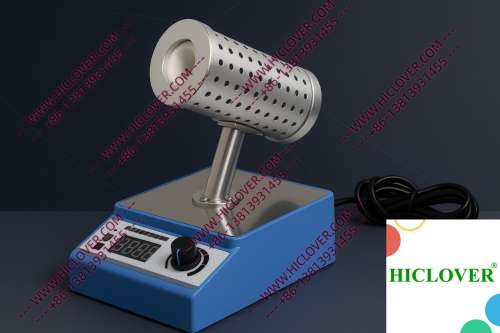
Laboratories face significant biosafety challenges, especially in regions like the Philippines where waste disposal policies are still evolving. Traditional sterilization methods, such as Bunsen burners or alcohol lamps, pose risks like open flames and aerosol generation, complicating contamination control efforts. In contrast, portable micro incinerators leverage rapid thermal sterilization methods, ensuring a sterile environment without the dangers associated with open flames. This technology, featuring a ceramic heating chamber, allows for safe and efficient sterilization of inoculating loops and other lab tools.
Technical Principles of Micro Incinerators
The Micro Incinerator operates on the principles of infrared radiation and enclosed heating. Utilizing an infrared high-temperature disinfection mechanism, it quickly sterilizes instruments to eliminate pathogens without the use of flames. The enclosed ceramic tube design enhances safety by preventing spills and vapor emissions, making it ideally suited for cleanroom and biosafety cabinet applications.
Product Configuration and Features
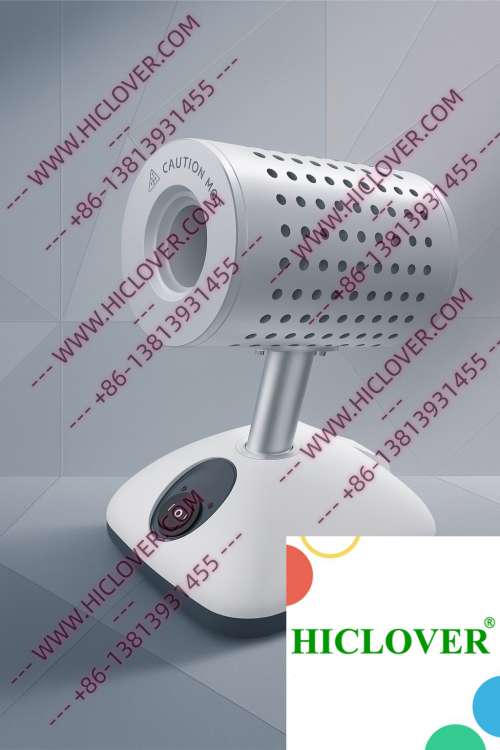
- Rapid Sterilization: Achieves optimal sterilization results in seconds.
- Aerosol-Free Handling: Minimizes risks associated with biological aerosols.
- Compact and Portable: Designed for easy transport to various lab setups.
- Energy Efficient: Consumes less power compared to traditional sterilization methods.
Application Scenarios in Real Labs
Biosafety Mechanisms in Teaching Labs
In university teaching laboratories, where students frequently handle biohazardous materials, the Micro Incinerator provides safe operator protocols. Students can efficiently sterilize their inoculating loops before and after sample handling, reducing cross-contamination risks while learning proper biosafety practices. This adherence to safe protocols is essential for BSL-2 compliant labs, ensuring that students are trained in modern sterilization techniques.
Field Testing in Mobile Laboratories
Field testing environments, where labs operate outdoors or at transient locations, benefit immensely from portable micro incinerators. In scenarios where traditional methods would be cumbersome and risky, the Micro Incinerator enables rapid onsite sterilization without the need for a flame source. Researchers can confidently conduct experiments in remote areas while maintaining high standards of biosafety and waste management.
Compliance with Global Biosafety Standards
Adhering to global biosafety compliance is critical for laboratories, especially in clinical and academic settings. The World Health Organization (WHO) outlines stringent lab sterilization standards to ensure safe practices. The Micro Incinerator excels in this regard, meeting compliance requirements by preventing aerosol generation and ensuring no open flames exist in clean areas.
Comparative Analysis: Micro Incinerators vs. Flame Sterilizers
| Feature | Micro Incinerator | Flame Sterilizers (Bunsen Burners) |
|---|---|---|
| Safety | High (avoids open flames) | Moderate (risk of burns and fires) |
| Speed of Sterilization | Seconds | Minutes |
| Aerosol Generation | No | Yes |
| Energy Consumption | Lower | Higher |
| Field Applicability | Highly Portable | Limited |
Frequently Asked Questions (FAQs)
What is a Micro Incinerator, and how does it work?
A Micro Incinerator is a portable device used for the rapid thermal sterilization of lab instruments. It utilizes infrared heat in a enclosed ceramic chamber to quickly eliminate microbial contaminants without the use of open flames.
Why choose a Micro Incinerator over traditional sterilizers?
Micro Incinerators are safer, faster, and more efficient. They minimize the risks associated with open flames, reduce sterilization time, and lower energy consumption.
Is the Micro Incinerator compliant with international biosafety standards?
Yes, the Micro Incinerator adheres to WHO biosafety and sterilization standards, making it suitable for use in cleanrooms and BSL-2 compliant labs.
Can a Micro Incinerator be transported easily?
Absolutely! Its compact and portable design allows for easy transport and use in field testing or mobile laboratory settings.
How does the Micro Incinerator help with contamination control?
By eliminating the generation of aerosols and preventing the use of flames, the Micro Incinerator ensures a cleaner working environment, significantly reducing contamination risks.
Conclusion
In conclusion, the adoption of portable Micro Incinerators in Philippine communities not only addresses pressing waste management challenges but significantly enhances biosafety protocols in laboratory settings. By merging innovative technology with practical applications, these devices present a versatile, compliant solution for laboratories across various fields. If you are looking to streamline your sterilization processes while ensuring safety and compliance, consider investing in a Micro Incinerator today. Contact us to learn more about enhancing your laboratory’s capabilities with this cutting-edge equipment.
Categories:
Tags: