
As Colombia continues to embrace advancements in laboratory technology, one of the most pressing challenges is ensuring effective biosafety and contamination control in various laboratory settings. This is particularly vital in BSL-2 and BSL-3 microbiology labs, where the risk of pathogen exposure is significant. Innovative waste solutions, such as micro incinerators, are revolutionizing sterilization workflows and addressing the growing need for effective laboratory sterilization equipment.
The Technical Principle Behind Micro Incinerators
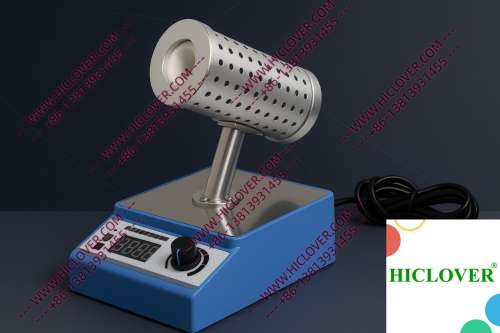
Micro incinerators employ infrared heat technology to achieve rapid thermal sterilization. Unlike traditional flame sterilizers such as alcohol lamps and Bunsen burners, which can create aerosols and introduce contaminants, micro incinerators utilize a closed ceramic heating chamber. This design not only promotes clean-bench-safe operations but also ensures an even distribution of high-temperature disinfection across a wide range of materials.
How Micro Incinerators Work
At the core of the micro incinerator is the infrared heating element, which heats the enclosed ceramic tube to temperatures exceeding 800°C. Laboratory staff can insert inoculating loops, needles, or blades directly into the chamber, achieving immediate sterilization without the need for an open flame or excessive cooling periods. This allows for quick transitions during procedures—a significant advantage in high-throughput laboratories.
Application Scenarios in Colombian Labs
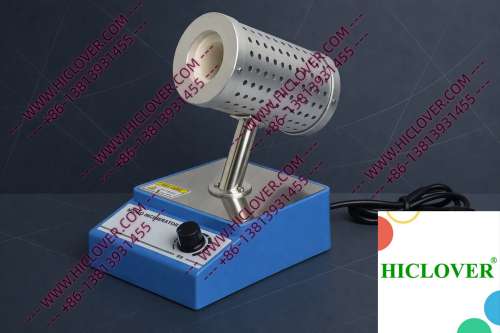
In Colombia, the implementation of micro incinerators is gaining traction in several laboratory environments:
- Biosafety Cabinets: Micro incinerators are increasingly being integrated into biosafety cabinets to meet rigorous sterilization requirements. The compact design ensures that space is optimized while maintaining a contamination-free environment essential for biological work.
- Field Testing Laboratories: In the remote corners of Colombia, mobile laboratories are essential for conducting field tests. The portable nature of micro incinerators makes them ideal for operations in the field where traditional sterilization methods may not be feasible.
- University Teaching Labs: With a growing number of students entering the field of life sciences, university laboratories are adopting micro incinerators to impart practical knowledge on sterilization techniques while ensuring safety and compliance with laboratory standards.
Compliance and Environmental Considerations
Maintaining compliance with global and local biosafety regulations, such as those set forth by the World Health Organization (WHO), is crucial for laboratories. Micro incinerators fit well within these frameworks by providing several advantages over flame-based solutions:
- No exposure to open flames, which is particularly important in clean rooms and settings with flammable materials.
- Minimized aerosol production, enhancing the overall air quality within laboratory environments.
- Operational efficiency that meets stringent sterilization standards, reducing the risk of sample contamination.
Comparative Analysis: Micro Incinerators vs. Traditional Flame Burners
| Feature | Micro Incinerator | Flame Burner |
|---|---|---|
| Temperature Range | Up to 800°C | Variable, typically less controlled |
| Contamination | No aerosol generation | High risk of introducing contaminants |
| Ease of Use | Simplified, quick sterilization | Requires manual skill and attention |
| Portability | Compact and mobile | Requires stable setup |
| Safety | Closed-system operation | Open flames present hazards |
Frequently Asked Questions
- What types of labs can benefit from using a micro incinerator? Micro incinerators are ideal for BSL-2 and BSL-3 labs, clinical diagnostics, and educational institutions.
- How does the micro incinerator enhance laboratory workflow? The rapid sterilization process allows for quick turnarounds, reducing downtime and improving efficiency in sample testing.
- What maintenance is required for micro incinerators? Regular checks on the ceramic heating chamber and infrared elements ensure optimal functionality and safety.
- Are micro incinerators energy-efficient? Yes, they typically consume less energy than traditional flame sterilization methods due to their rapid heating capabilities.
- What safety features do micro incinerators have? Most models include automatic shut-off, temperature regulation, and secured access to minimize risks during operations.
Conclusion
The adoption of micro incinerators in Colombia is a game changer for laboratory waste solutions, offering a safer, more efficient alternative to traditional flame sterilizers. Whether you are operating a university teaching lab or a field testing laboratory, these innovative devices promise to enhance compliance with global biosafety standards while improving workflow efficiency.
To learn more about our micro incinerators or to place an order, feel free to contact us today. We’re here to provide solutions that cater to your laboratory sterilization needs!
Categories:
Tags: