
The urgent need for effective waste management solutions grows daily, especially in developing nations such as Angola. With rising healthcare demands, the laboratory sector is faced with significant biosafety challenges. From ensuring sterilization workflows are rapid and compliant to maintaining high standards for contamination control, it’s essential to adopt innovative technologies. One such solution is the Micro Incinerator, particularly the Infrared Inoculating Loop Sterilizer, which offers promising applications in both laboratory settings and the field.
Understanding the Technical Principles of Micro Incinerators
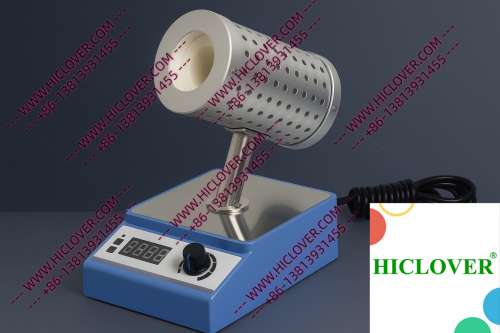
Micro Incinerators utilize advanced infrared heating techniques to achieve rapid thermal sterilization. Unlike traditional flame sterilizers, such as alcohol lamps and Bunsen burners, these devices operate on a clean, enclosed ceramic tube that heats up quickly, providing high-temperature disinfection without producing combustion byproducts. The infrared technology used in these sterilizers is effective for achieving consistent surface temperatures, ensuring complete sterilization of inoculating loops, needles, and other tools.
Advantages Over Traditional Flame Sterilizers
When comparing Micro Incinerators to conventional flame sterilizers, it becomes clear that there are numerous advantages:
- Rapid thermal sterilization eliminates waiting time associated with flame stabilization.
- Reduced risk of fire hazards, especially in clean room environments.
- Minimal aerosol production, ensuring improved biosafety for laboratory personnel.
- Lower maintenance costs and longer service life due to non-reliance on combustible materials.
- What is a Micro Incinerator?
A Micro Incinerator is an advanced sterilization device that uses infrared heat to sterilize laboratory tools and instruments rapidly. - How does it ensure biosafety?
The Micro Incinerator minimizes aerosol production and operates without flame, making it compliant with strict biosafety protocols. - Can it be used in field conditions?
Yes, its portable design allows for sterilization in various locations, making it ideal for field testing and mobile laboratories. - What are its primary advantages over traditional methods?
This device offers rapid sterilization, improved safety, minimal aerosol production, and lower maintenance costs. - Is it suitable for university teaching labs?
Absolutely! Its user-friendly design and effective sterilization capabilities make it an excellent teaching tool in academic settings.
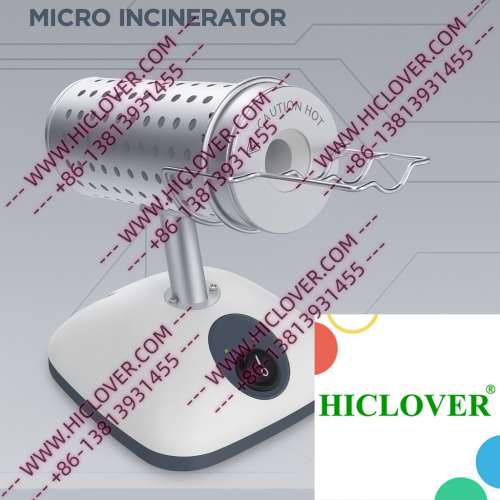
Key Applications in Laboratory Settings
The versatility of Micro Incinerators makes them ideal for various settings, including clinical diagnostics, BSL-2 and BSL-3 microbiology labs, and even educational facilities. Here are two scenarios demonstrating their practical applications:
1. Use in a BSL-3 Laboratory
In high-containment settings, like BSL-3 labs working with dangerous pathogens, sterilization must be reliable and efficient. A Micro Incinerator allows researchers to maintain a strict biosafety protocol while ensuring contamination-free handling of instruments. When working within a biosafety cabinet, lab technicians can easily rely on the Infrared Inoculating Loop Sterilizer to achieve complete sterilization while preventing aerosol generation, a significant safety concern when using open flames.
2. Field Testing and Mobile Labs
In addition to fixed laboratories, the Micro Incinerator is particularly useful for field testing in remote locations. NGOs conducting clinical diagnostics or environmental assessments can benefit immensely from portable sterilization equipment. The lightweight and easy-to-use design prepares healthcare professionals to operate without continuous access to electricity or gas sources, facilitating efficient workflows even in challenging environments.
Compliance and Environmental Considerations
Compliance with international biosafety standards is paramount in laboratory settings. Organizations such as the World Health Organization (WHO) provide comprehensive guidelines for safe laboratory practices, including sterilization protocols. The Micro Incinerator meets stringent lab sterilization standards while fulfilling the “no flame” requirement in clean rooms. This compliance helps prevent contamination and ensures an environment conducive to research and diagnostics.
Comparative Analysis: Micro Incinerator vs. Traditional Flame Burners
| Feature | Micro Incinerator | Flame Burners |
|---|---|---|
| Speed of Sterilization | Rapid | Slower, requires stabilization |
| Safety in Clean Rooms | No flame risk | High risk of fire hazards |
| Aerosol Production | Minimal | High |
| Maintenance | Low | High, due to fuel sources |
Frequently Asked Questions
Conclusion: Advancing Angola’s Waste Management Solutions
Innovative technologies like Micro Incinerators are paving the way for improved waste management and sterilization practices in Angola’s laboratories and communities. As the demand for effective biosafety solutions increases, investing in this advanced sterilization equipment is not just prudent—it’s essential. For laboratory supply distributors, hospitals, and universities looking to enhance sterilization workflows and promote health safety standards, the Micro Incinerator represents a paradigm shift towards sustainable and efficient waste solutions. Don’t hesitate to reach out for more information on acquiring this vital sterilization tool!
Categories:
Tags: