
The laboratory landscape is evolving rapidly, particularly with regard to biosafety challenges that healthcare and research facilities face. With the increasing demand for stringent sterilization protocols, laboratories are continuously seeking innovative solutions that not only ensure contamination control but also enhance workflow efficiency. Among the forefront technologies gaining recognition are micro incinerators, specifically designed for rapid thermal sterilization in various laboratory settings.
Understanding Micro Incinerators
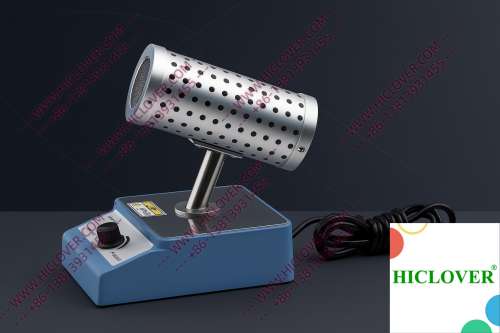
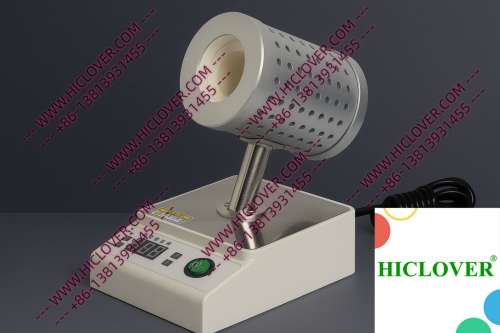
Micro incinerators, such as the Infrared Inoculating Loop Sterilizer, utilize advanced infrared heating technology to eliminate microbial contamination effectively. The core principle involves the use of an enclosed ceramic heating chamber that generates high temperatures, ensuring complete sterilization of inoculating loops, needles, and other tools. This technology provides a clean, flame-free, and aerosol-free method for handling biological samples, making it an ideal choice for sensitive environments.
Technical Features of Micro Incinerators
Micro incinerators are engineered with specific features that elevate them above traditional flame sterilizers like alcohol lamps and Bunsen burners:
- Rapid Heating: Within seconds, micro incinerators achieve temperatures sufficient for high-temperature disinfection.
- Ceramic Heating Element: The closed design reduces air contamination risks and enhances durability.
- Energy Efficiency: Lower power consumption compared to traditional flame burners.
- Compact Design: Suitable for installation in biosafety cabinets or limited bench spaces.
- Safety Features: No open flames means reduced fire hazards, crucial for clean-room operations.
- EnsureCompatibility with specific sterilization protocols.
- Follow regulations regarding waste disposal to minimize environmental impact.
- Document sterilization processes for audits and inspections.
Practical Applications in Laboratories
Micro incinerators find applications in diverse laboratory environments, including BSL-2 and BSL-3 microbiology labs, clinical diagnostics, and educational institutions. Here are two relevant scenarios:
1. Biosafety Cabinet Utilization
In facilities with biosafety cabinets, the compact size of micro incinerators allows for easy integration within the sterilization workflow. When working with infectious agents, researchers can use these devices to sterilize inoculating loops quickly without risking the introduction of aerosols, which might otherwise compromise the sterility of the cabinet environment.
2. Field Testing Labs
Field testing laboratories benefit immensely from the portability and efficiency of micro incinerators. In scenarios such as environmental sampling or testing soils for contaminants, researchers can sterilize their tools on-site quickly. This capability not only enhances the reliability of test results but also mitigates the risks of cross-contamination in remote or mobile setups.
Compliance and Environmental Standards
As laboratories are under increasing scrutiny to comply with global biosafety standards, micro incinerators address several compliance issues. The World Health Organization’s guidelines on laboratory biosafety emphasize the need for effective sterilization processes that minimize infection risks. Furthermore, in cleanroom environments, eliminating open flames is essential; micro incinerators provide a safe alternative that meets this requirement.
To comply with laboratory sterilization standards, facilities must consider the following:
Comparative Analysis: Micro Incinerators vs. Traditional Flame Burners
| Feature | Micro Incinerator | Flame Burner |
|---|---|---|
| Flame-Free | Yes | No |
| Heating Time | Seconds | Minutes |
| Operational Safety | High | Moderate |
| Aerosol Generation | None | Yes |
| Portability | High | Moderate |
Frequently Asked Questions
What is a micro incinerator used for?
Micro incinerators are mainly used for rapid sterilization of inoculating loops and other lab tools, particularly in biosafety and cleanroom environments.
How does infrared sterilization work?
Infrared sterilization relies on ceramic heating elements that emit targeted infrared waves, generating high temperatures to disinfect surfaces without risking contamination from aerosols.
Can micro incinerators be used in outdoor conditions?
Yes, micro incinerators are portable and designed for field testing purposes, making them suitable for outdoor settings.
What are the advantages over traditional flame burners?
Advantages include rapid heating, increased safety, and a lack of aerosol generation, making them ideal for sensitive laboratory environments.
Are micro incinerators compliant with international biosafety standards?
Yes, they are designed to meet various global biosafety standards, including those set by the WHO, ensuring effective sterilization in laboratory settings.
Conclusion
As laboratories continue to adapt to new biosafety challenges, micro incinerators represent a transformative solution in the realm of laboratory sterilization equipment. With their compact design, rapid thermal sterilization capabilities, and compliance with international standards, these devices promise significant improvements in workflow efficiency and safety.
For more insights on adopting micro incinerator technology in your facility or to explore procurement options, feel free to reach out or visit our website today!
Categories:
Tags: