
As laboratories strive for excellence in biosafety and contamination control, the demand for efficient sterilization methods has never been more critical. Laboratories face numerous biosafety challenges, particularly when it comes to ensuring equipment and tools are free from pathogens. Traditional methods, such as alcohol lamps and Bunsen burners, often fall short in safety, efficiency, and environmental impact. Enter the micro incinerator, specifically the Infrared Inoculating Loop Sterilizer, which has rapidly emerged as an innovative solution for sterilization needs.
Understanding Micro Incinerators
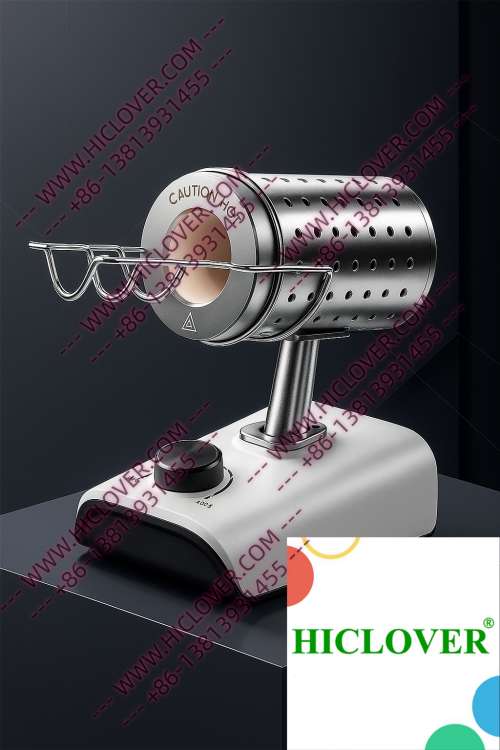
The Micro Incinerator operates on the principle of rapid thermal sterilization using infrared heat. This essentially means that when the device is activated, it generates high temperatures efficiently through an enclosed ceramic tube. Unlike traditional flame sterilizers, this technology eliminates the hazards of open flames, providing a safer working environment within clean rooms, biosafety cabinets, and field testing scenarios.
Design and Configuration
Typically designed with a compact footprint, the Micro Incinerator features a precision-engineered heating chamber that allows for quick and easy sterilization of inoculating loops, needles, and other lab equipment. The built-in infrared heating technology enables high-temperature disinfection while ensuring that aerosol-free handling is maintained. This makes the micro incinerator an ideal choice for both BSL-2 and BSL-3 microbiology labs, where strict contamination control is paramount.
Key Advantages of Micro Incinerators
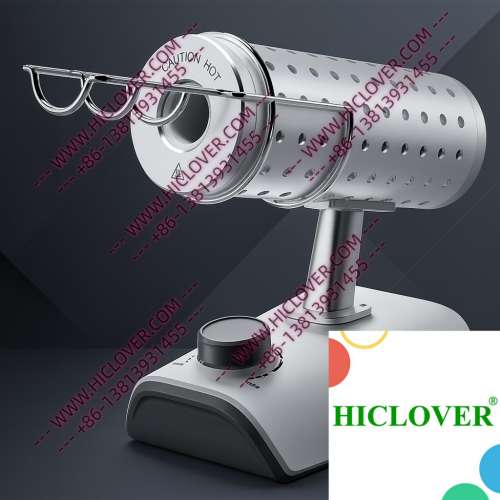
- Enhanced Safety: The absence of an open flame drastically reduces the risk of burns or fires, making it safer to operate in confined spaces.
- Efficiency: Infrared technology allows for rapid thermal sterilization, reducing waiting times between operations.
- Compact Design: The small footprint is conducive for use in various settings, from teaching labs to mobile field testing labs.
- Environmentally Friendly: Micro incinerators contribute to sustainability by minimizing waste and energy use.
Application Scenarios in Real Labs
Biosafety Cabinets
In a BSL-2 microbiology lab, the Micro Incinerator is utilized within biosafety cabinets for the sterilization of tools immediately after use. This ensures that no cross-contamination occurs during sample manipulation. The infrared sterilizer can quickly sterilize inoculating loops, rendering them ready for use again in mere seconds without the risk of introducing contaminants.
Field Testing Expeditions
Field testing labs often operate in challenging circumstances where traditional sterilization devices may not be suitable. The Micro Incinerator, being portable and requiring minimal power, is ideal for field studies. Researchers can easily transport this lightweight apparatus and efficiently sterilize their instruments on-site, protecting the integrity of their samples and the environment they are studying.
Compliance with Biosafety Standards
Many international standards exist for laboratory sterilization, such as those outlined by the World Health Organization (WHO). Compliance with these standards not only ensures safety but also enhances the credibility of laboratory results. Traditional flame sterilizers may pose risks in clean rooms where volatile substances are present, making micro incinerators a more compliant choice.
Lab Sterilization Standards
The regulation of laboratory sterilization procedures is essential to prevent contamination. Micro Incinerators meet various sterilization standards by rapidly achieving high temperatures that are necessary for effective disinfection. Furthermore, because these systems do not rely on solvents that may react in varying conditions, they are suitable for biohazard management within diverse environments.
Comparative Analysis: Micro Incinerator vs. Traditional Flame Burners
| Feature | Micro Incinerator | Flame Burners |
|---|---|---|
| Operation Safety | No open flame; reduced injury risk | Open flame; potential for burns and fires |
| Efficiency | Rapid heat application | Variable heat times |
| Environmental Impact | Lower emissions; sustainable energy use | Higher emissions; reliance on flammable fuels |
| Application Scope | Clean rooms, research labs, field use | General lab use, less precise |
Frequently Asked Questions
- What types of materials can be sterilized using a Micro Incinerator?
The Micro Incinerator can effectively sterilize inoculating loops, needles, and various metal tools used in laboratory settings.
- Is the Micro Incinerator suitable for BSL-3 laboratories?
Yes, the Micro Incinerator is designed to meet the stringent sterilization standards required in BSL-3 environments.
- How does the Infrared Inoculating Loop Sterilizer improve workflow efficiency?
It allows for quick sterilization of instruments, enabling researchers to maintain a steady workflow with minimal downtime.
- Aren’t traditional flame sterilizers just as effective?
While they can be effective, they introduce risks associated with open flames and longer waiting times; micro incinerators are safer and more efficient.
- Where can I purchase a Micro Incinerator for my lab?
Micro Incinerators can be purchased through laboratory supply distributors, specialized online platforms, or directly from manufacturers.
Conclusion
The transition to innovative waste solutions like micro incinerators signifies a shift towards greater environmental sustainability in laboratory practices. With their enhanced safety features, compliance with international standards, and rapid thermal sterilization capabilities, Micro Incinerators are redefining the landscape of laboratory sanitation. For organizations looking to enhance their sterilization processes, investing in a Micro Incinerator is a key step towards achieving operational excellence while prioritizing safety and sustainability. Contact us today to discuss how our Micro Incinerator models can meet your specific laboratory needs.
Categories:
Tags: