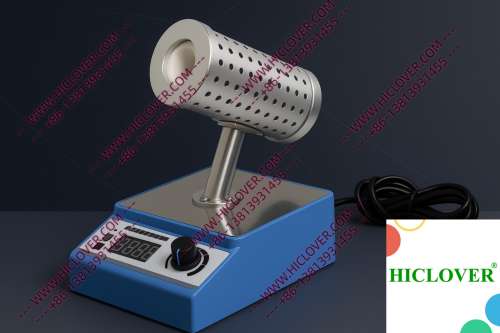
In the world of laboratory biosafety, one of the paramount challenges is ensuring effective sterilization of inoculating loops. With increasing demands for contamination control, the effectiveness and efficiency of sterilization methods are under constant scrutiny. A potential solution lies in modern sterilization equipment, particularly the Micro Incinerator or Infrared Inoculating Loop Sterilizer. This innovative device is designed to address the pressing sterilization needs in hospitals, universities, and research labs while complying with critical biosafety standards.
The Challenges of Laboratory Sterilization
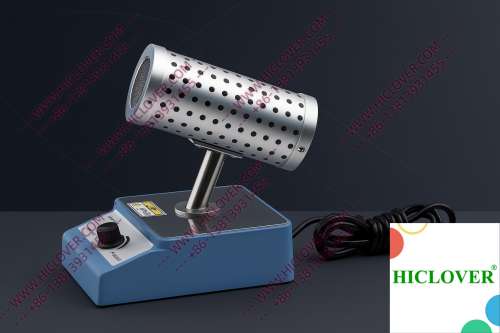
Biosafety cabinets are essential in microbiology labs, especially those classified as BSL-2 or BSL-3. However, these environments often face contamination risks during the inoculation process. Traditional flame sterilizers, such as alcohol lamps and Bunsen burners, pose fire hazards and can create aerosol risks, potentially jeopardizing worker safety and sample integrity. Moreover, navigating the complex sterilization workflow demands adept and compliant practices, emphasizing the necessity for effective sterilization tools.
The Working Principle of Micro Incinerators
The Micro Incinerator employs advanced infrared heat technology to achieve rapid thermal sterilization. This efficient system consists of an enclosed ceramic heating chamber that reaches high temperatures almost instantly. The sterilizer ensures that inoculating loops are exposed to extreme heat, resulting in effective disinfection in mere seconds. The design minimizes the risk of residue and eliminates the need for harmful substances, which is crucial in both clean room settings and field applications.
Applications of Micro Incinerators in Laboratory Settings
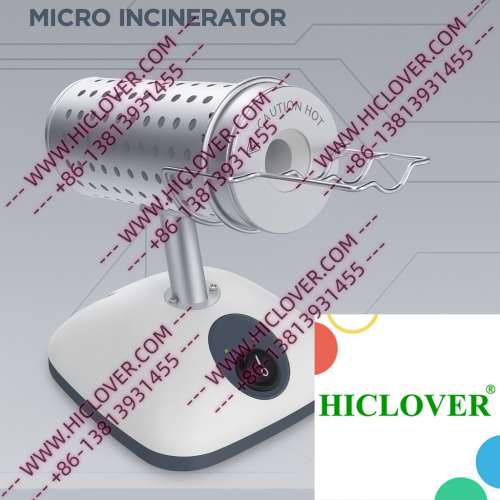
- Biosafety Cabinets: In a BSL-2 microbiology lab, researchers frequently require sterile conditions for handling pathogenic samples. Using a Micro Incinerator within a biosafety cabinet enhances sterile technique by providing efficient, flame-free sterilization, reducing the risk of aerosol production.
- Field Testing Laboratories: Mobile labs engaged in environmental sampling or outbreak investigations also benefit from the portability of Micro Incinerators. Their lightweight design and rapid sterilization capabilities enable effective contamination control in remote settings without access to flame devices.
- Teaching Labs: University laboratories focusing on microbiology education can significantly enhance student safety and learning. Using a Micro Incinerator allows students to practice sterile techniques without the inherent risks associated with traditional flame sterilizers.
Compliance and Environmental Considerations
Laboratory operations are governed by rigorous adherence to biosafety standards established by organizations such as WHO, which emphasize the need for effective sterilization methods that minimize contamination risks. Furthermore, utilizing flame-free sterilizers like Micro Incinerators aligns with clean room protocols, avoiding potential ignition sources in sterile environments.
“In a sterile laboratory setting, compliance with national and international safety standards is non-negotiable. Micro Incinerators facilitate that compliance while offering an enhanced safety profile.”
Comparative Analysis: Micro Incinerator vs. Traditional Flame Sterilizers
| Feature | Micro Incinerator | Flame Sterilizers |
|---|---|---|
| Heat Generation | Infrared, rapid, consistent | Open flame, variable |
| Safety | Flame-free, reduced aerosol risk | Fire hazard, aerosol generation |
| Ease of Use | One-touch operation, quick readiness | Requires practice and technique |
| Portability | Compact, lightweight | Generally bulkier and less portable |
Frequently Asked Questions (FAQs)
- What is an Infrared Inoculating Loop Sterilizer?
An Infrared Inoculating Loop Sterilizer, or Micro Incinerator, utilizes infrared heat to sterilize inoculating loops rapidly and effectively without an open flame.
- How does the Micro Incinerator improve laboratory safety?
It eliminates fire hazards associated with traditional flame sterility methods and reduces aerosol production, crucial for maintaining sterile environments.
- Can a Micro Incinerator be used in BSL-3 laboratories?
Yes, it is suitable for BSL-3 laboratories, where maintaining strict biosafety levels is essential for handling highly pathogenic microorganisms.
- How fast can the Micro Incinerator sterilize inoculating loops?
It can sterilize inoculating loops in a matter of seconds, allowing for efficient workflow in busy laboratory environments.
- Where can I purchase a Micro Incinerator?
These devices are available through various laboratory supply distributors, hospitals, and academic institutions—contact your supplier for specific purchasing options.
Conclusion
The shift from traditional flame sterilizers to advanced sterilization technologies like the Micro Incinerator or Infrared Inoculating Loop Sterilizer is undeniable. With a critical need for effective sterilization in hospital labs and other research environments, investing in this innovative solution offers improved safety, compliance with biosafety standards, and enhanced workflow efficiency. If you are looking to upgrade your laboratory sterilization equipment, contact us today for more information and explore the benefits of our Micro Incinerators.
Categories:
Tags: