
Laboratories across the globe face constant biosafety challenges and stringent sterilization workflow demands. Ensuring that samples remain uncontaminated is not only crucial for experimental integrity but also for the safety of laboratory personnel and the environment. Traditional flame sterilisers like alcohol lamps and Bunsen burners have been the go-to tools for many years, but innovations in sterilization equipment have introduced options like the Micro Incinerator / Infrared Inoculating Loop Sterilizer that are designed for superior performance and safety. This article explores the methodology behind these devices, their applications in real-world lab settings, and their relevance in compliance with international biosafety standards.
Technical Principles of Infrared Sterilization
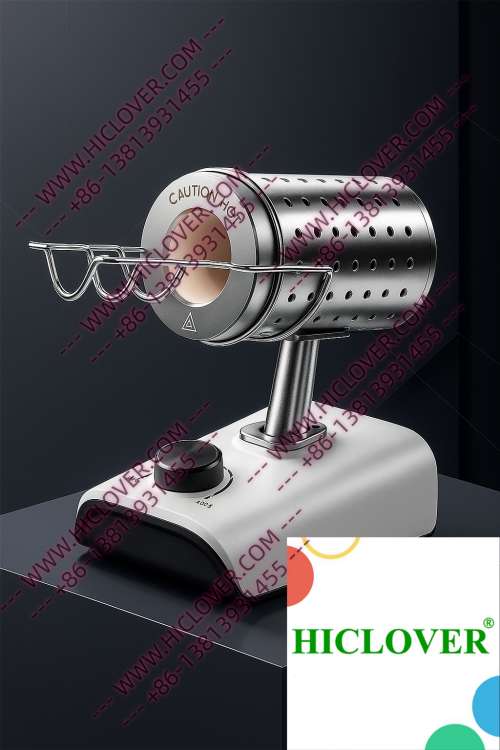
The Micro Incinerator employs advanced infrared heating technology housed within a ceramic tube that rapidly achieves high temperatures. When the inoculating loop is inserted into the enclosed chamber, it receives direct infrared heat, ensuring efficient and effective sterilization in mere seconds. Unlike traditional flame-based methods which pose risks such as burns or flame spread, the infrared system minimizes these hazards, allowing for aerosol-free handling and protecting both the user and the surrounding environment.
Advantages Over Traditional Flame Sterilisers
- Rapid Thermal Sterilization: Achieves sterilization quickly without waiting for a flame to stabilize.
- Contamination Control: The enclosed environment limits risk of aerosols and splashes that can occur with open flames.
- Clean-bench-safe: Safe for use in clean rooms and biosafety cabinets, crucial for BSL-2 and BSL-3 laboratories.
- Less Hazardous: No open flame reduces the risk of fires and burns.
Application Scenarios in Real Laboratories
1. Biosafety Cabinets
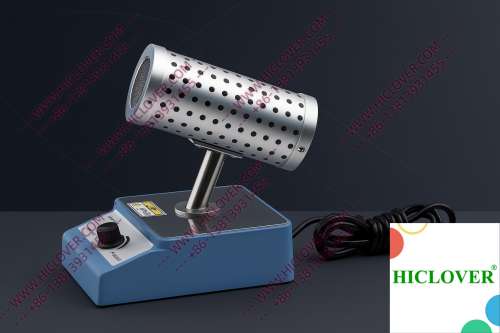
In BSL-2 and BSL-3 laboratories, where handling pathogenic microorganisms is routine, the Micro Incinerator serves as an essential tool for sterilization. Its compact design allows for convenient placement within biosafety cabinets, where samples require rigorous containment. Sterilizing inoculating loops within these cabinets ensures no cross-contamination occurs, maintaining sample integrity and protecting laboratory personnel from potential exposure to pathogens.
2. University Teaching Labs
Educational institutions utilizing Micro Incinerators in biology or microbiology labs benefit from the tool’s safety features—perfect for students learning proper lab techniques. Teaching lab environments demand equipment that not only works effectively but also teaches students about modern sterilization methods. The Micro Incinerator simplifies this aspect, offering students an opportunity to work with advanced technology that highlights the evolution of laboratory processes.
Compliance with Biosafety Standards
Adhering to globally accepted biosafety standards, such as those outlined by the World Health Organization (WHO) and laboratory sterilization protocols, is essential for research credibility. Open flames are typically prohibited in clean rooms and sensitive areas due to their potential to introduce contaminants and create unsafe working environments. The infrared inoculating loop sterilizer aligns with these regulations, making it a compliant choice for laboratories striving for optimal biosafety.
“In laboratory environments where precision and safety are paramount, the transition from flames to modern sterilization solutions like the Micro Incinerator marks a significant enhancement in lab operations.”
FAQs About Micro Incinerator / Infrared Inoculating Loop Sterilizers
What is the primary advantage of using a Micro Incinerator compared to a Bunsen burner?
The primary advantage lies in its closed-system design, which mitigates contamination risk and provides rapid thermal sterilization without an open flame, ensuring a safer work environment.
Is the Micro Incinerator suitable for field testing?
Yes, its portable design makes it an excellent option for mobile laboratories and field testing where immediate sterilization is necessary without traditional flame hazards.
Can it be used in CO₂ incubator operations?
Absolutely! The Micro Incinerator is designed for versatility and can efficiently sterilize equipment used in sensitive environments like CO₂ incubators.
What maintenance does a Micro Incinerator require?
Regular cleaning of the ceramic chamber to prevent residue build-up is essential, along with checking the power supply and ensuring the device heats correctly.
Is the Micro Incinerator compliant with international sterilization standards?
Yes, it adheres to various international biosafety and sterilization standards, making it suitable for use in regulated laboratory environments.
Conclusion
The transition from traditional flame sterilizers to advanced tools like the Micro Incinerator / Infrared Inoculating Loop Sterilizer not only enhances laboratory safety but significantly protects the integrity of experiments. As laboratories increasingly prioritize biosafety measures, especially in clinical diagnostics and research applications, investing in high-quality sterilization equipment becomes essential. For those looking to upgrade their laboratory sterilization practices, consider reaching out to experts in the field to discover how you can enhance your purification process today.
Categories:
Tags: