
As the demand for laboratory biosafety and efficient sterilization practices grows, Beijing’s research centers are increasingly adopting advanced sterilization equipment. In addition to meeting the strictest safety standards, laboratory managers are prioritizing eco-friendly solutions to minimize their environmental impact. One such innovation is the Micro Incinerator / Infrared Inoculating Loop Sterilizer. This article explores the practical challenges faced by labs, the working principle of this technology, its real-world applications, compliance with biosafety regulations, and the advantages it offers over traditional flame sterilizers.
Challenges in Laboratory Biosafety and Sterilization Workflows
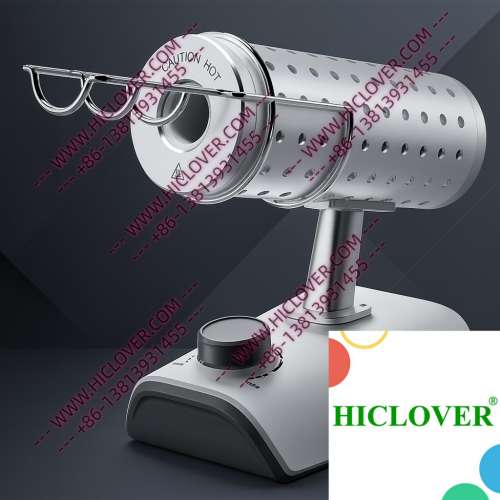
Laboratories, especially those operating under BSL-2/BSL-3 conditions, experience various biosafety challenges daily. The risks of contamination from biological samples, coupled with the need for rapid thermal sterilization, place significant demands on sterilization processes. Traditional methods like alcohol lamps or Bunsen burners often produce aerosols that can compromise the sterile environment of clean benches.
Moreover, stringent laboratory workflows often require the quick and efficient sterilization of inoculating loops, forceps, and other instruments. Inefficient or hazardous sterilization methods can lead to downtime, loss of valuable samples, and compromised research outcomes. As stakeholders increasingly recognize these challenges, there’s a marked shift towards innovative solutions like the Micro Incinerator.
Technical Principles and Features of the Micro Incinerator
The Micro Incinerator operates using advanced infrared heating technology within an enclosed ceramic tube. This design ensures a clean and efficient means of disinfection, significantly reducing the risk of aerosol generation while effectively destroying contaminants.
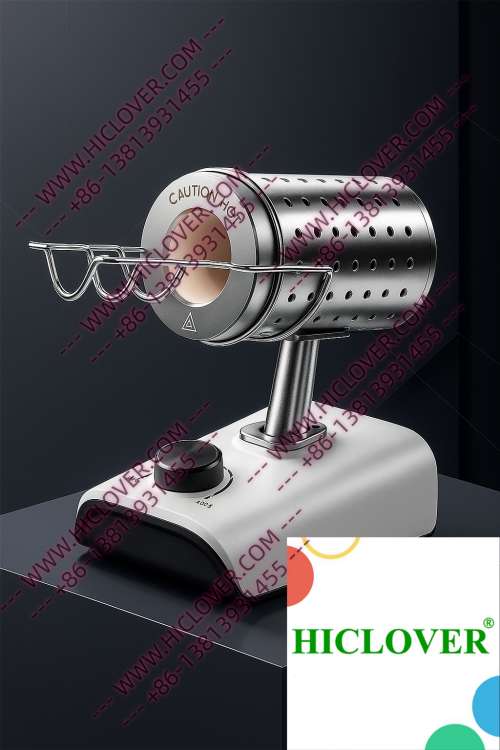
- Rapid Thermodynamic Response: The ceramic heating chamber achieves high temperatures quickly, allowing for effective sterilization in seconds.
- Aerosol-Free Handling: The enclosed system minimizes contamination risks during sterilization, making it ideal for cleanroom applications.
- Environmentally Friendly: Unlike flame-based methods, the Micro Incinerator does not require combustible gases, making it safe for both users and the environment.
Application Scenarios in Real Laboratories
1. University Teaching Labs
Universities often employ the Micro Incinerator in teaching labs. Instructors use this tool for safe, quick sterilization during microbiology experiments and demonstrations. Students appreciate the efficiency and safety of the infrared sterilizer, allowing hands-on experience without the risks associated with open flames.
2. Clinical Diagnostics
In clinical labs that handle hazardous bio-waste, the Micro Incinerator plays a crucial role in sterilization workflows. Its rapid thermal sterilization ensures instruments are ready for immediate reuse, significantly enhancing laboratory efficiency while maintaining compliance with WHO biosafety regulations.
Compliance with Laboratory Standards
Microscopic experiments must adhere to stringent biosafety and laboratory sterilization standards. The WHO guidelines emphasize the need for effective sterilization methods devoid of aerosols in cleanroom environments. The Micro Incinerator meets these requirements, providing a robust alternative to traditional flame sterilizers.
Here’s a summary of key compliance areas for sterilization equipment:
- WHO Biosafety Standards
- ISO 13485 for Medical Devices
- Environmental Impact Regulations
- Cleanroom Standards for Aseptic Processing
Advantages of Micro Incinerators vs. Traditional Flame Sterilizers
| Feature | Micro Incinerator | Flame Sterilizers |
|---|---|---|
| Speed of Sterilization | Seconds | Minutes |
| Aerosol Generation | None | High |
| Operational Safety | High | Moderate |
| Environmental Impact | Eco-friendly | High emissions |
Given these advantages, many labs are now integrating Micro Incinerators to enhance safety and efficiency in their sterilization practices.
FAQs about Micro Incinerators
What is a Micro Incinerator?
A Micro Incinerator, or Infrared Inoculating Loop Sterilizer, is a sterilization device that utilizes infrared technology for rapid thermal sterilization of laboratory instruments.
How does the Micro Incinerator differ from traditional flame sterilizers?
Unlike flame sterilizers that rely on combustible materials, the Micro Incinerator offers a clean, safe, and rapid method of sterilization that reduces aerosol generation and environmental risks.
Can the Micro Incinerator be used in BSL-3 laboratories?
Yes, the Micro Incinerator is suitable for use in BSL-3 environments, as it complies with WHO biosafety standards and minimizes contamination risks.
How long does it take to sterilize instruments using a Micro Incinerator?
The Micro Incinerator can sterilize instruments within seconds, making it a highly efficient solution for laboratory workflows.
Is the Micro Incinerator environmentally friendly?
Yes, it operates without gas combustion and generates less waste compared to traditional flame sterilizers, aligning with eco-friendly practices in laboratory settings.
Conclusion
As Beijing’s laboratories transition to eco-friendly sterilization solutions, the Micro Incinerator stands out for its rapid sterilization capabilities, safety, and environmental benefits. With the increasing need for compliance and efficacy in labs—ranging from teaching institutions to clinical diagnostics—adopting this technology offers significant advantages over traditional methods.
If you are interested in upgrading your laboratory sterilization equipment or wish to learn more about the Micro Incinerator, feel free to contact us today!
Categories:
Tags: