
In modern laboratories, meeting biosafety standards is a persistent challenge for researchers, clinical diagnosticians, and educators. The demand for effective contamination control has led to advancements in sterilization technology, particularly in the way inoculating loops and other laboratory utensils are sterilized. Traditional methods like Bunsen burners and alcohol lamps pose logistical setbacks, primarily due to open flames and the risk of aerosolization. In this environment, Micro Incinerator / Infrared Inoculating Loop Sterilizers have emerged as a preferred solution, providing rapid thermal sterilization within a safe, enclosed design.
Technical Principles of Micro Incinerators
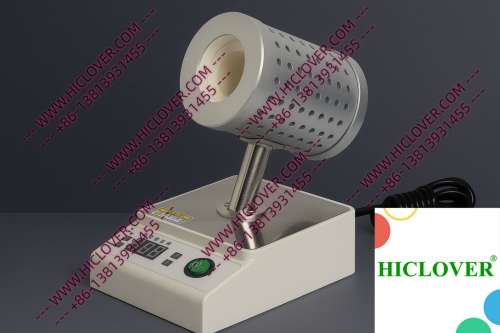
At the core of the Micro Incinerator technology is the principle of infrared heat generation. The device utilizes a ceramic heating chamber that generates high temperatures instantly, allowing for effective sterilization within seconds. While traditional flame sterilizers can introduce contaminants from the flame itself, the infrared loop sterilizer ensures a clean, flame-free environment, suitable for use in sensitive settings.
With its compact design, the Micro Incinerator is often tailored to fit various laboratory environments, including BSL-2 and BSL-3 microbiology labs, university teaching labs, and mobile field testing laboratories. Its enclosed design not only minimizes the risk of fires but also prevents the release of aerosols and harmful particulates into the lab environment, making it an ideal choice for stringent biosafety settings.
Applications of Micro Incinerator in Laboratories
Micro Incinerators find diverse applications across several laboratory scenarios:
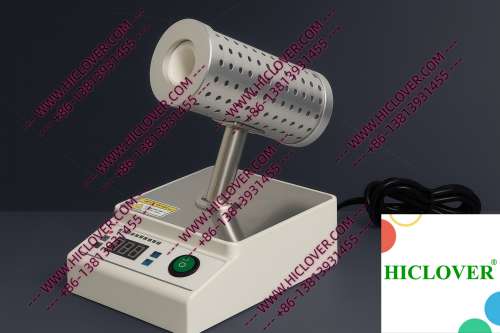
- Biosafety Cabinets: In BSL-2 and BSL-3 labs, the use of the Micro Incinerator within biosafety cabinets allows for immediate sterilization while maintaining strict airflow regulations.
- Field Testing Labs: Micro Incinerators are portable and power-efficient, making them suitable for use in field settings, where traditional sterilization methods may be impractical.
- University Teaching Labs: Students can quickly sterilize inoculating loops, enhancing the instructional process in microbiology and laboratory techniques.
Compliance and Environmental Considerations
Meeting laboratory sterilization standards is critical to ensuring a safe working environment. National and international organizations, including the World Health Organization (WHO), set stringent biosafety guidelines that necessitate the avoidance of open flames in sensitive cleanrooms. The Micro Incinerator is designed to comply with regulatory standards by eliminating the risks associated with flame sterilization. This compliance is essential in various settings, from clinical diagnostics to research laboratories involved in high-stake analyses.
Comparison of Micro Incinerator vs. Traditional Flame Burners
| Feature | Micro Incinerator | Flame Burners (Bunsen, Alcohol Lamps) |
|---|---|---|
| Safety | Flame-free, minimizes aerosol creation | Open flame risks, potential for fire hazards |
| Efficiency | Rapid sterilization (seconds) | Longer heating time, risk of inconsistent sterilization |
| Environmental Impact | Designed for clean environments | Potential pollutants from combustion |
| Portability | Compact, easy to operate | More cumbersome, requires gas or alcohol supply |
Frequently Asked Questions (FAQs)
- What is the main advantage of using a Micro Incinerator for sterilization?
The primary advantage lies in its ability to provide rapid thermal sterilization in a flame-free environment, significantly reducing contamination risks. - Can Micro Incinerators be used in field labs effectively?
Yes, their portability and efficiency make them ideal for mobile or field laboratories. - How does the Micro Incinerator comply with biosafety standards?
It adheres to international biosafety guidelines by eliminating the need for open flames, which can introduce contaminants into clean environments. - Is it suitable for use in university teaching labs?
Absolutely, it enhances safety and educates students on contamination control methods. - What are the typical sterilization times achieved with a Micro Incinerator?
The device allows sterilization within seconds, making it a rapid option compared to traditional methods.
Conclusion
The Micro Incinerator / Infrared Inoculating Loop Sterilizer represents a significant evolution in laboratory sterilization technologies, perfectly aligning with the stringent demands of modern biosafety standards. As the need for effective contamination control continues to grow, investing in advanced sterilization equipment is no longer optional but vital for maintaining a safe laboratory environment.
If you are considering upgrading your laboratory sterilization solutions, look no further than the Micro Incinerator. Reach out to us today for expert advice and to discuss how our solutions can meet your specific needs.
Categories:
Tags: