
In today’s laboratory environment, where precision and safety are paramount, sterilization processes play a critical role in ensuring reliable results. However, laboratory biosafety challenges often compound the traditional sterilization workflows. With stringent regulations and heightened concerns over contamination, the necessity for rapid and effective tools to mitigate risks remains at the forefront of laboratory operations. Among these, the Micro Incinerator / Infrared Inoculating Loop Sterilizer is redefining standards in sterilization.
The Technical Principles Behind Modern Sterilization
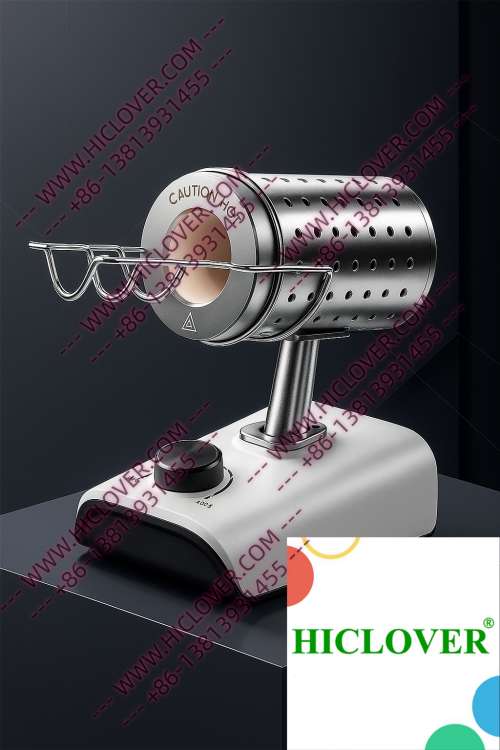
The Micro Incinerator operates on a technical principle that distinguishes it from traditional methods: infrared heat. Utilizing an enclosed ceramic heating chamber, it delivers consistent high-temperature disinfection efficiently. This device uses electrical energy to generate infrared radiation, which in turn provides rapid thermal sterilization by instantly reaching temperatures that are lethal to microorganisms.
Unlike traditional flame burners such as Bunsen burners or alcohol lamps, the Micro Incinerator eliminates the need for open flames, significantly reducing the risk of fire hazards and enabling aerosol-free handling. This is especially vital in environments where maintaining clean air is crucial, such as BSL-2 and BSL-3 microbiology labs.
Applications of Micro Incinerators: Real-World Scenarios
1. Biosafety Cabinets
In a typical laboratory biosafety cabinet, maintaining a sterile environment is essential for working with potentially pathogenic organisms. Here, the Micro Incinerator excels, thanks to its compact design and rapid sterilization capabilities. Laboratory technicians can effectively sterilize inoculating loops without contaminating the work surface, minimizing the risk of cross-contamination during microbiological assays.
2. Field Testing Laboratories
In mobile or field testing environments, the durability and reliability of sterilization equipment become crucial. The Micro Incinerator is lightweight and portable, making it ideal for researchers conducting environmental sampling or rapid diagnostics in remote locations. This device ensures that microbial cultures are handled with the utmost care without the dependency on cumbersome traditional flame methods.
Compliance with Biosafety Standards
As the landscape of laboratory safety evolves, adherence to compliance standards has become indispensable. Notable organizations such as the World Health Organization (WHO) outline strict protocols for sterilization, focusing on minimizing contamination risks and ensuring safe laboratory practices. The Micro Incinerator meets such criteria by offering a flame-free operation that aligns with laboratory sterilization standards.
Moreover, its design eliminates the risks associated with combustion, making it perfect for sterile clean rooms and laboratories requiring no open flames. This capability not only enhances personnel safety but also aligns with environmentally sustainable practices, reducing the carbon footprint associated with traditional incendiary methods.
Comparative Analysis: Micro Incinerator vs. Flame Burners
| Feature | Micro Incinerator | Flame Burners |
|---|---|---|
| Temperature Control | Consistent High-Temperature Disinfection | Variable, dependent on fuel source |
| Safety | Flame-Free Operation | Open Flame Hazards |
| Environmental Impact | Reduced Aerosols | Increased Carbon Footprint |
| Usability | Easy to Use, Portable | Requires Handling Caution |
FAQs
- What is a Micro Incinerator?
A Micro Incinerator is a sterilization device that uses infrared heat to rapidly sterilize inoculating loops and other lab tools without the need for flames, ensuring enhanced safety and efficiency.
- How does it ensure contamination control?
This device produces high-temperature disinfection, effectively killing all microorganisms while being compact and easily usable in various lab environments.
- Are there specific labs that benefit most from using a Micro Incinerator?
Yes! BSL-2 and BSL-3 microbiology labs, clinical diagnostics, and teaching labs all benefit from the efficiency and safety of this device.
- Does a Micro Incinerator comply with WHO standards?
Absolutely, the Micro Incinerator adheres to strict biosafety protocols and is ideal for maintaining sterile conditions without flames, in compliance with WHO guidelines.
- Can I use a Micro Incinerator in the field?
Yes, its portability and reliable performance make it well-suited for field testing laboratories and mobile research environments.
Conclusion
In conclusion, the Micro Incinerator / Infrared Inoculating Loop Sterilizer presents an innovative solution to the ever-evolving demands of laboratory sterilization. It not only speeds up the sterilization process while enhancing safety but also aligns with sustainable practices. As laboratories pursue higher standards of biosafety, the advantages of transitioning to instant loop sterilization cannot be ignored.
For further information or to explore our range of Micro Incinerators, we encourage you to reach out and discover how this essential laboratory equipment can enhance your sterilization workflow.
Categories:
Tags: