
As the demand for effective laboratory biosafety measures continues to rise, healthcare facilities, particularly in Lahore, face significant challenges in maintaining sterile environments. The increasing quantity of laboratory waste, along with the need for efficient sterilization workflows, makes the integration of advanced sterilization technologies vital. This article explores the advantages of Micro Incinerators, specifically the Infrared Inoculating Loop Sterilizer, as a solution tailored for Lahore’s hospitals and laboratories.
Understanding the Technical Principles of Micro Incinerators
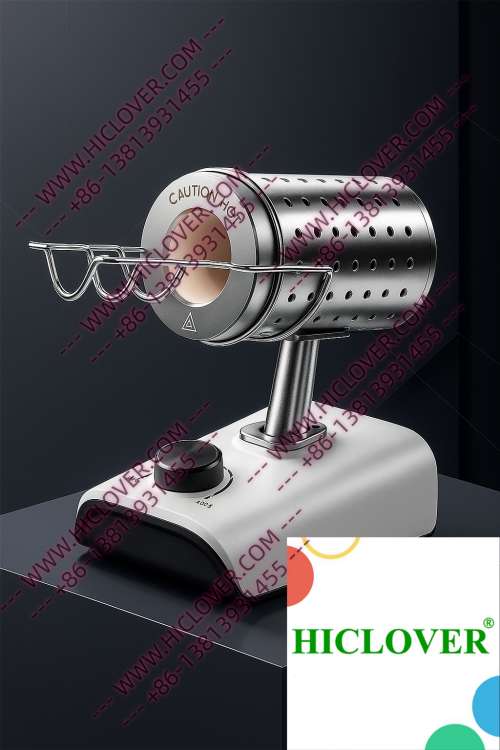
Micro Incinerators employ the principle of infrared heat for rapid thermal sterilization, allowing for efficient and effective disinfection of various laboratory tools. Unlike traditional flame sterilizers such as alcohol lamps and Bunsen burners, which can pose risks of contamination and require handling precautions, a Micro Incinerator features an enclosed ceramic heating chamber. This not only protects the user but also ensures aerosol-free handling of sterile instruments.
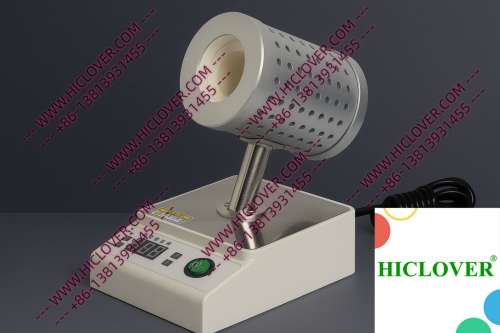
The design typically includes a ceramic tube that reaches high temperatures quickly, providing consistent heat distribution across the sterilization tool. The compact size and portability of these units are beneficial for diverse applications within both clinical and educational environments.
Applications of Micro Incinerators in Laboratory Settings
- Biosafety Cabinets: In BSL-2 or BSL-3 microbiology labs, where the risk of pathogenic contamination is elevated, Micro Incinerators serve to effectively sterilize inoculating loops and other instruments rapidly, enhancing workflow and safety.
- Field Testing Laboratories: In mobile or field testing labs, the lightweight and portable nature of Micro Incinerators allows scientists to ensure that tools remain sterile while working in dire conditions, such as remote sampling.
- University Teaching Labs: Academic institutions can make efficient use of Micro Incinerators in teaching labs, where students learn the critical aspects of sterilization techniques without the risks associated with open flames.
- What is the heat source in a Micro Incinerator? The Micro Incinerator utilizes infrared heating elements located in a ceramic chamber to sterilize instruments rapidly.
- Are Micro Incinerators compliant with WHO biosafety standards? Yes, Micro Incinerators meet the required standards for safety and environmental compliance, making them suitable for BSL-2 and BSL-3 labs.
- How quick is the sterilization process? Typically, the devices can achieve sterilization in less than a minute for most laboratory instruments, depending on the size and type.
- Is it safe to use in clean spaces or clean rooms? Absolutely. Their non-flame nature ensures that they pose no risk of combustion, making them suitable for clean environments.
- What maintenance is required for Micro Incinerators? Routine cleaning of the ceramic chamber and periodic checks on the heating elements ensure consistent performance.
Compliance and Environmental Considerations for Lab Sterilization
Globally, adherence to biosafety standards is paramount for maintaining a sterile laboratory environment. WHO guidelines and other laboratory sterilization standards emphasize the importance of non-flame sterilization methods, especially within clean rooms where combustion can compromise sensitive experiments. Micro Incinerators align with these compliance demands, enhancing safety by eliminating flames and reducing the risk associated with volatile sterilization methods. Simply put, these devices are clean-bench-safe, ensuring contamination control in high-stakes environments.
“Implementing infrared sterilization significantly streamlines operational workflows while prioritizing safety, especially for labs in urban settings like Lahore.”
Advantages of Micro Incinerators Over Traditional Flame Sterilizers
| Feature | Micro Incinerator | Flame Sterilizer |
|---|---|---|
| Temperature Control | Consistent, rapid thermal sterilization | Variable, potentially dangerous temperatures |
| Contamination Risk | Minimized, enclosed design | High risk of aerosols and spills |
| Safety | No open flames, clean-room compliant | Open flames, increased fire hazard |
| Portability | Lightweight and mobile | Generally bulky and stationary |
FAQs About Micro Incinerators
Conclusion
As the landscape of laboratory waste management and biosafety continues to evolve, embracing innovative solutions like Micro Incinerators becomes increasingly critical, especially in cities like Lahore, where healthcare demands are on the rise. By shifting towards infrared sterilization technologies, hospitals, universities, and research centers can significantly enhance their sterilization workflows while adhering to strict compliance and safety standards.
For more information about implementing Micro Incinerators in your facility, or to explore purchasing options, feel free to reach out today. Your commitment to laboratory excellence and safety begins here!
Categories:
Tags: