
The demand for effective laboratory sterilization solutions has surged in recent years, driven by heightened biosafety challenges in various research and clinical settings. In Pakistan, where healthcare facilities often face sterilization workflow demands, the Micro Incinerator, particularly the Infrared Inoculating Loop Sterilizer, stands out as an innovative solution. This article delves into the functionality of micro incinerators, their applications in laboratories, their alignment with environmental policies, and the specific advantages they possess over traditional flame sterilizers.
Understanding Micro Incinerators
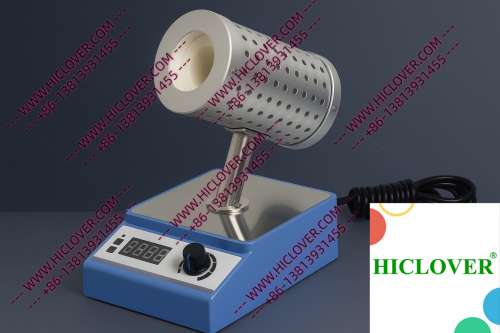
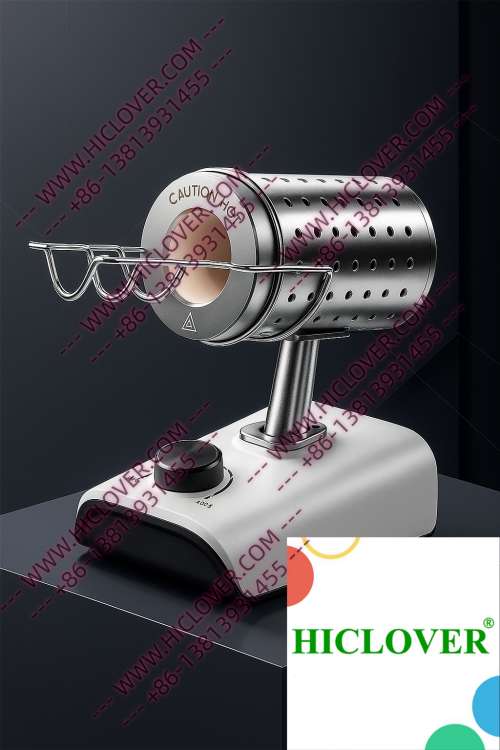
Micro incinerators utilize infrared heating technology to achieve rapid thermal sterilization. Unlike traditional flame-based sterilizers, these devices offer a clean, efficient alternative. The core component of a micro incinerator is its enclosed ceramic heating chamber. This chamber is designed to generate and concentrate heat from infrared radiation, effectively eliminating microbial contamination by achieving high temperatures swiftly and safely.
Benefits Over Traditional Flame Sterilizers
There are several key advantages of micro incinerators over conventional flame sterilizers such as alcohol lamps and Bunsen burners:
- Clean-bench-safe: Micro incinerators can be used in clean rooms and biosafety cabinets without introducing combustion byproducts.
- Aerosol-free handling: Unlike flame sterilizers, micro incinerators prevent the generation of aerosols, minimizing risks of cross-contamination.
- Rapid thermal sterilization: They achieve sterilization in a fraction of the time required by flame methods, enhancing workflow efficiency.
- Temperature consistency: The infrared mechanism provides more consistent temperature control compared to open flames.
- No open flame in clean rooms, which is essential for preserving sterility.
- Compliance with local environmental controls to minimize air pollution and waste.
- Meeting ISO standards for laboratory equipment, ensuring quality and safety.
Applications in Real Labs
1. Clinical Diagnostics Laboratories
In clinical diagnostics, maintaining sterility is paramount. Micro incinerators can be utilized alongside biosafety cabinets to ensure that inoculating loops, needles, and other equipment are immediately sterilized before use. The enclosed design allows for effective sterilization without risk of airborne contaminants.
2. University Teaching Laboratories
In educational settings, teaching labs need practical and safe methods for bacteria handling. The Micro Incinerator is ideal for demonstrating sterilization techniques since it eliminates the hazards associated with flames. Students learn crucial biosafety principles while benefiting from rapid sterilization and clean environments.
Compliance with Environmental Standards
Adhering to biosafety regulations is critical for laboratories in Pakistan. The World Health Organization (WHO) provides guidelines for laboratory safety, including sterilization practices. Micro incinerators comply with the following standards:
Regulatory bodies in Pakistan are increasingly recognizing the efficacy of micro incinerators, considering their environmental implications and impact on public health. As the government revamps its environmental policies, micro incinerators can play a pivotal role in sustainable laboratory operations, minimizing the carbon footprint and reducing reliance on conventional energy sources.
Comparison of Micro Incinerators vs. Flame Sterilizers
| Feature | Micro Incinerator | Flame Sterilizer |
|---|---|---|
| Sterilization Time | Rapid (seconds) | Longer (minutes) |
| Operational Safety | High (no flame) | Moderate (open flame hazards) |
| Environmental Impact | Low (no emissions) | Moderate to high (air pollution) |
| Ease of Use | Simple and clean | Requires flame management |
FAQs about Micro Incinerators
What types of labs benefit from micro incinerators?
Micro incinerators are particularly advantageous in BSL-2 and BSL-3 microbiology labs, clinical settings, and teaching laboratories, where stringent sterilization is essential.
How do micro incinerators ensure safety in the lab?
By utilizing infrared technology, micro incinerators eliminate the risks associated with open flames, such as burns, fires, and airborne contamination.
Are micro incinerators compliant with WHO standards?
Yes, they meet WHO biosafety regulations, particularly regarding the use of sterilization methods in cleanroom environments.
Can micro incinerators be used in field testing labs?
Absolutely! Portable micro incinerators facilitate sterilization in mobile and field testing environments without needing fuel sources.
What maintenance is required for micro incinerators?
Micro incinerators require minimal maintenance. Regular cleaning of the ceramic tube and ensuring the heating elements are functioning correctly will suffice to maintain optimal performance.
Conclusion
Micro incinerators, particularly the Infrared Inoculating Loop Sterilizer, are transforming laboratory sterilization protocols in Pakistan by providing safe, efficient, and environmentally friendly solutions. As the demand for biosafety compliance increases, these innovative devices can significantly enhance the effectiveness of health and research institutions. If you’re looking to upgrade your laboratory sterilization equipment, consider investing in a micro incinerator—reach out to us today for more information!
Categories:
Tags: