
The challenges of biosafety and contamination control in laboratory environments are increasingly becoming crucial in Mozambique, where healthcare infrastructure continues to develop. As medical facilities strive to meet international standards and provide safe testing environments, a pressing need arises for advanced sterilization techniques. Manual methods, particularly traditional flame sterilizers such as alcohol lamps and Bunsen burners, pose significant risks, including open flames and aerosol generation, which can compromise biosafety in a clinical setting.
Understanding the Technology Behind Micro Incinerators
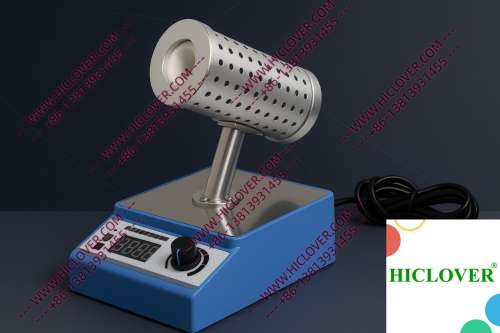
At the forefront of modern sterilization solutions is the Micro Incinerator, specifically designed for effective and efficient loop sterilization. Utilizing infrared heat, this innovative device operates through the principle of rapid thermal sterilization within an enclosed ceramic tube. The technology ensures high-temperature disinfection, allowing researchers and laboratory technicians to eliminate contaminants without exposing them to flame hazards or aerosols.
- Rapid heating – reaches sterilization temperature in seconds.
- Aerosol-free handling – minimizes the risk of airborne pathogens.
- Compact design – ideal for various laboratory setups.
- Low maintenance – ceramic heating elements reduce upkeep challenges.
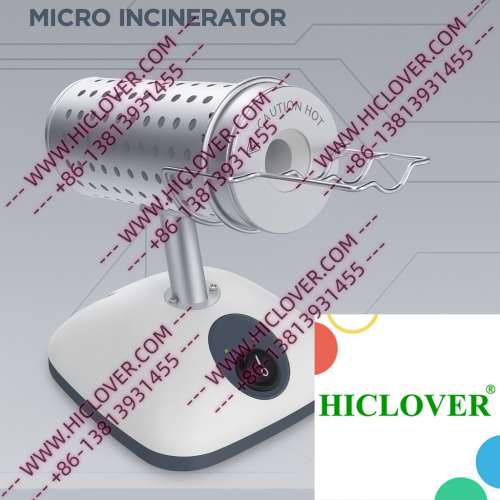
Applications in Laboratory Settings
The Micro Incinerator is particularly advantageous in various laboratory environments. Here are two application scenarios where loop sterilizers excel:
1. University Teaching Labs
In Mozambique’s universities, fostering a safe learning environment for future scientists is paramount. Teaching labs need reliable sterilization equipment to ensure that students can confidently carry out experiments without contamination risks. The Micro Incinerator provides an ideal solution, allowing students to sterilize inoculating loops quickly and efficiently without the dangers associated with flame-based methods.
2. Field Testing Labs
With field testing labs receiving samples during outbreaks or disease monitoring, minimizing contamination risks is critical. The portability and efficiency of the Micro Incinerator make it a perfect fit for mobile laboratory setups. Researchers can safely sterilize tools on-site without relying on a stable infrastructure, ensuring that results remain untainted and reliable.
Compliance with Global Standards
Maintaining compliance with organizations such as the World Health Organization (WHO) is essential for Mozambique’s medical facilities. The Micro Incinerator adheres to stringent biosafety standards that govern laboratory sterilization processes. Unlike flame sterilizers, it avoids presenting risks in clean rooms due to no open flames, thus ensuring a sterile environment in BSL-2 and BSL-3 laboratories.
Moreover, integrating systems like the Micro Incinerator not only meets compliance requirements but also enhances the efficiency of laboratory workflows. This commitment to safety and precision aligns with global best practices in laboratory sterilization, making it an essential investment for growing medical facilities.
Micro Incinerator vs. Traditional Flame Sterilizers
| Feature | Micro Incinerator | Flame Sterilizers |
|---|---|---|
| Safety | Aerosol-free, no open flames | Open flames present fire and contamination risks |
| Heating Time | Seconds to sterilize | Variable, depends on flame management |
| Ease of Use | Simple operation; requires minimal training | Requires experience and attention to manage |
| Portability | Compact and mobile | Less portable; needs stable surface |
| Maintenance | Low maintenance effort | Frequent maintenance required for burners |
Frequently Asked Questions
What is a Micro Incinerator?
A Micro Incinerator is a laboratory sterilization device that uses infrared heat to quickly and effectively sterilize inoculating loops and other tools without the risks associated with flames.
How does infrared sterilization work?
Infrared sterilization utilizes high temperatures generated within a ceramic tube to eliminate pathogens efficiently, offering a rapid solution for sterilization without the need for a flame.
Is the Micro Incinerator suitable for field testing?
Yes! Its compact design and quick operation make it highly suitable for mobile or field laboratories where safety and efficiency are paramount.
What biosafety standards do Micro Incinerators comply with?
The Micro Incinerator meets WHO biosafety guidelines, ensuring safe operation in BSL-2 and BSL-3 laboratories across diverse healthcare settings in Mozambique.
Why switch from flame sterilizers to a Micro Incinerator?
Switching to a Micro Incinerator mitigates the risks of open flames, provides faster sterilization, and is easier to manage, making it a valuable asset for any laboratory.
Conclusion
Investing in loop sterilizers like the Micro Incinerator represents a significant step forward in supporting Mozambique’s medical infrastructure. By improving sterilization efficiency, reducing contamination risks, and complying with global standards, these devices help foster a safer and more reliable laboratory environment. For healthcare providers, universities, and research centers looking to enhance their laboratory capabilities, exploring high-quality Micro Incinerators is a pivotal investment.
For more information about high-quality sterilization equipment or to make a purchase, please contact us today. Your commitment to safety and efficiency in laboratory practices can make a profound difference in healthcare outcomes.
Categories:
Tags: