
The importance of maintaining strict biosafety standards in laboratories cannot be understated. In the fast-evolving sphere of health and safety, laboratories face significant challenges around contamination control, particularly in microbiology labs and clinical diagnostics. The need for reliable sterilization equipment has never been greater, especially with the rise of pathogenic threats. This article will delve into one of the most essential pieces of laboratory sterilization equipment: the Micro Incinerator or Infrared Inoculating Loop Sterilizer, exploring its benefits, applications, and pricing in South Korea.
Understanding the Technical Principles of Micro Incinerators
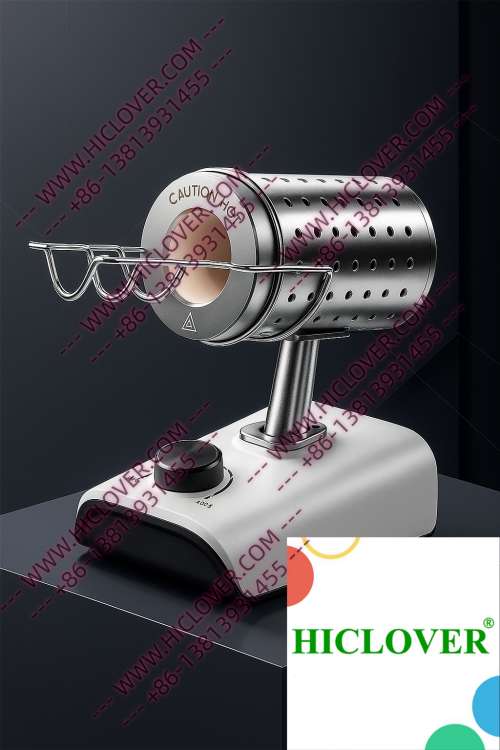
The Micro Incinerator utilizes advanced technology to provide rapid thermal sterilization without the hazards associated with traditional flame sterilizers such as alcohol lamps and Bunsen burners. At its core, this device employs infrared heat generated from an enclosed ceramic tube. The ceramic heating chamber reaches high temperatures quickly, ensuring effective disinfection without the production of aerosols or flames, making it particularly suitable for clean environments.
Key Features of the Micro Incinerator
- Efficient Sterilization: Offers high-temperature disinfection for inoculating loops and other lab instruments.
- Safe Operation: No open flames reduce the risk of accidental fire and contamination.
- Compact Design: Ideal for use in limited spaces such as biosafety cabinets.
- Quick Heating: Achieves sterilization temperatures within seconds, promoting workflow efficiency.
- ISO 13485: Medical Devices Quality Management Systems
- BSL-2 and BSL-3 laboratory standards
- Good Laboratory Practices (GLP)
Real-World Applications in Laboratories
The Micro Incinerator finds utility in various laboratory settings. Below are two practical application scenarios that showcase its versatility:
1. Biosafety Cabinet Usage
In a BSL-2 microbiology lab, where safety and contamination control are paramount, the Micro Incinerator is frequently utilized within biosafety cabinets. This configuration allows for safe sterilization of inoculating loops and transfer tools without introducing open flames into a sterile environment. Technicians can quickly sterilize instruments between samples, minimizing the risk of cross-contamination and ensuring a hygienic workspace.
2. Field Testing Laboratories
Field testing environments pose unique challenges, particularly regarding portable sterilization solutions. The Micro Incinerator provides an efficient means of sterilizing tools and equipment on-site without the need for bulky flame-based devices. Its compact design is particularly advantageous for mobile labs operating in diverse settings, such as environmental sampling for pathogens or clinical diagnostics in remote areas.
Compliance with International Standards
Adherence to world health standards for laboratory sterilization is crucial for ensuring patient safety. According to the World Health Organization (WHO), sterilization practices must meet strict guidelines to prevent contamination. With growing regulations emphasizing aerosol-free handling and no flame presence in clean rooms, the Micro Incinerator stands out as a compliant solution. Its unique design not only aligns with safety requirements but also enhances the overall workflow in laboratories.
Biosafety Compliance Standards
The Micro Incinerator ensures compliance with key sterilization standards, including:
Comparative Analysis: Micro Incinerator vs. Traditional Flame Sterilizers
| Feature | Micro Incinerator | Flame Sterilizers (Alcohol Lamps, Bunsen Burners) |
|---|---|---|
| Operation Safety | No open flames; minimizes fire hazards. | Open flames; higher risk of fire and injury. |
| Efficiency | Rapid heating; immediate sterilization. | Varies; requires time to achieve sterilization temperatures. |
| Contamination Control | Aerosol-free; ideal for clean environments. | Can generate aerosols; not suitable for biosafety cabinets. |
| Portability | Compact design; suitable for field testing. | Generally bulkier and less portable. |
FAQs About Micro Incinerators
Here are some commonly asked questions regarding the Micro Incinerator:
1. What types of laboratories benefit from using Micro Incinerators?
Micro Incinerators are ideal for BSL-2 and BSL-3 microbiology labs, clinical diagnostics, and teaching labs where a sterile environment is critical.
2. How does the Micro Incinerator compare to traditional sterilization methods in terms of safety?
Unlike flame sterilizers, the Micro Incinerator eliminates the risk of open flames, significantly enhancing safety in high-risk laboratory environments.
3. Is the Micro Incinerator energy-efficient?
Yes, it is designed to reach sterilization temperatures rapidly, minimizing energy consumption compared to traditional methods.
4. Can the Micro Incinerator be used in mobile field testing?
Absolutely, its compact design makes it perfect for use in various mobile laboratory settings.
5. What are the cost implications of investing in a Micro Incinerator?
While there is an upfront cost, the long-term benefits in terms of safety, efficiency, and reliability often outweigh the initial investment.
Conclusion: Make the Smart Investment
With the increasing focus on laboratory safety and compliance in South Korea and worldwide, investing in a Micro Incinerator is a decision that pays dividends. By choosing cutting-edge sterilization technology, laboratories not only enhance their operational efficiency but also contribute positively to public health outcomes. If you are looking to elevate your laboratory’s sterilization practices, we invite you to contact us today to discuss how the Micro Incinerator can meet your needs and bolster your commitment to safety.
Categories:
Tags: