
In today’s dental clinic environments, maintaining stringent biosafety standards is not just a regulatory requirement, but a fundamental necessity for patient and staff safety. With the ongoing battles against infectious agents and the demand for efficient sterilization workflows, dental professionals are seeking innovative laboratory sterilization equipment. Notably, the Micro Incinerator / Infrared Inoculating Loop Sterilizer emerges as a superior solution to traditional flame sterilizers.
Modern Laboratory Biosafety Challenges
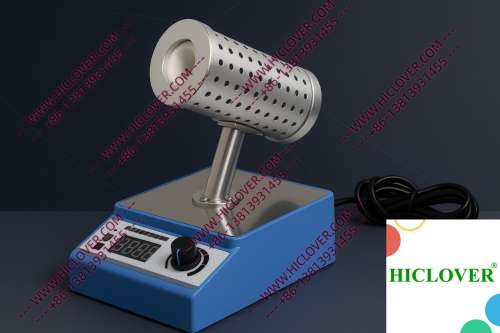
Dental clinics often deal with diverse specimens, including potentially pathogenic bacteria and viruses. The handling of these samples poses significant biosafety challenges, necessitating effective sterilization methods to prevent cross-contamination. Traditional flame sterilizers like alcohol lamps and Bunsen burners may be ubiquitous, yet they present safety concerns, including open flames, toxic fumes, and an increased risk of contamination through aerosol generation. Thus, dental clinics require reliable and efficient sterilization solutions that can meet both safety and workflow demands, while ensuring compliance with health standards.
Technical Principles of Infrared Inoculating Loop Sterilizers
At the heart of the Micro Incinerator / Infrared Inoculating Loop Sterilizer is advanced infrared heating technology. This device utilizes an enclosed ceramic heating chamber that reaches high temperatures rapidly, achieving rapid thermal sterilization without the risks associated with open flames. The ability to provide consistent, high-temperature disinfection minimizes the potential for contamination and is particularly beneficial in clean environments like biosafety cabinets.
Additionally, the design of these sterilizers allows for aerosol-free handling, greatly reducing the risk of airborne contaminants. The incorporation of a safety switch ensures that the device only operates when the loop is in place, which further enhances laboratory safety.
Application Scenarios in Real Labs
- Biosafety Cabinet Utilization: In many dental clinics, microbiology labs are equipped with biosafety cabinets where samples are processed. The infrared inoculating loop sterilizer can be integrated into these cabinets, allowing for immediate sterilization of inoculating loops and minimizing exposure to pathogens.
- University Teaching Labs: In educational settings, where dental students practice sterilization techniques, the Micro Incinerator provides a safe and efficient way for students to learn. Its simple operation allows students to focus on their techniques without worrying about the dangers posed by traditional flame sterilizers.
Compliance with International Biosafety Standards
Compliance with biosafety standards is crucial for any laboratory setting. The World Health Organization (WHO) outlines regulations for laboratory biosafety, emphasizing the importance of modern sterilization equipment. The use of infrared inoculating loop sterilizers aligns with these standards, especially in environments such as BSL-2 or BSL-3 microbiology labs, where the risk of infection is heightened.
Modern sterilization methods are essential to ensure that laboratory environments, including clean rooms, are free of contaminants. Infrared sterilizers reduce the reliance on flames, which can compromise the cleanliness of sterile areas.
Advantages of the Micro Incinerator Versus Traditional Flame Sterilizers
| Feature | Micro Incinerator | Flame Sterilizers |
|---|---|---|
| Safety | No open flames, aerosol-free | Open flames, risk of fire |
| Speed | Rapid thermal sterilization | Longer heating times |
| Ease of Use | Simple operation | Requires careful flame management |
| Environment Impact | Eco-friendly, no toxic fumes | Emits harmful gases (alcohol vapors) |
Cost-Effectiveness and Workflow Improvement
Investing in a Micro Incinerator or Infrared Inoculating Loop Sterilizer is not just an expense; it is a strategic decision that enhances the workflow of dental clinics. The reduction of time spent on sterilization combined with the elimination of the risks associated with traditional flame sterilizers leads to significant cost savings. This investment can enhance productivity and improve patient trust, ultimately leading to a positive impact on clinic reputation.
Frequently Asked Questions
- What is the main advantage of using a Micro Incinerator over a traditional alcohol lamp?
The Micro Incinerator operates without open flames, minimizing fire risks while providing rapid and effective sterilization. - Is it suitable for use in BSL-3 labs?
Yes, the Micro Incinerator complies with safety standards required for BSL-2 and BSL-3 laboratory settings. - How long does it take to sterilize an inoculating loop?
Sterilization is typically achieved within a few seconds, allowing for quick turnaround during lab workflows. - Are there any maintenance requirements for the sterilizer?
Minimal maintenance is needed; regular cleaning of the ceramic tube will ensure optimal performance. - Can it be used in field testing environments?
Yes, the compact design makes it ideal for mobile or field testing labs, providing efficient sterilization on-site.
Conclusion
Investing in a Micro Incinerator / Infrared Inoculating Loop Sterilizer is a proactive step towards enhancing safety, compliance, and efficiency in laboratory settings, particularly dental clinics. By transitioning from traditional flame sterilizers to advanced infrared technology, clinics can significantly improve their sterilization workflows and ensure a safer environment for both patients and staff. We encourage you to explore our range of sterilization solutions for your laboratory needs, ensuring optimal safety standards are met.
Categories:
Tags: