
As laboratories across Italy grapple with stringent biosafety challenges and the increasing demand for efficient sterilization workflows, the implementation of advanced sterilization equipment has become paramount. Among the innovations gaining traction are Micro Incinerators, particularly the Infrared Inoculating Loop Sterilizer. This technology not only ensures effective sterilization but also adheres to Italy’s ambitious environmental policies, contributing to a sustainable future.
The Technical Principles Behind Micro Incinerators
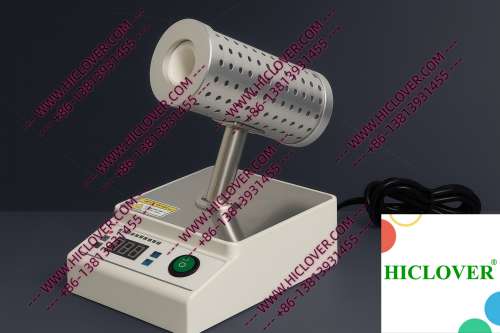
Micro Incinerators leverage advanced infrared heating technology to deliver rapid thermal sterilization. The core of this system comprises a ceramic heating chamber, which generates high temperatures specifically designed for effective disinfection. The heating element, enclosed within a robust ceramic tube, targets inoculating loops, needles, and other small instruments, producing an aerosol-free environment ideal for sensitive laboratory settings.
Unlike traditional flame sterilizers such as alcohol lamps and Bunsen burners, which can introduce unwanted contaminants and pose safety risks due to open flames, Micro Incinerators are clean-bench-safe. Their enclosed design minimizes the risk of fire hazards and ensures that sterile conditions are maintained during the sterilization process.
Applications of Micro Incinerators in Laboratory Settings
1. Teaching Laboratories
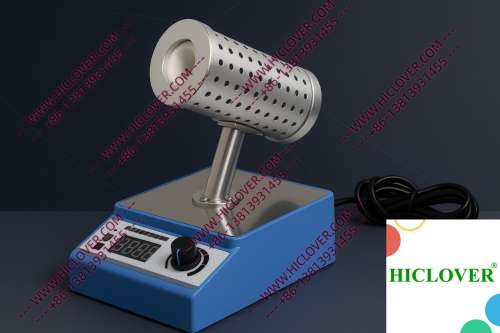
University teaching labs frequently utilize Micro Incinerators for biosafety practices. Students engaged in microbiological studies can efficiently sterilize inoculating instruments without the risks associated with open flames. This not only enhances the learning experience but also instills best practices in contamination control.
2. Clinical Diagnostics and Field Testing
In clinical diagnostics, particularly in BSL-2 and BSL-3 microbiology labs, maintaining sterility is crucial. Micro Incinerators allow for quick sterilization of loops and needles used in cultures, which is vital for accurate results while ensuring compliance with WHO biosafety standards. Additionally, in mobile field testing laboratories where space and safety may be compromised, these devices present a reliable and portable sterilization solution.
Compliance and Environmental Considerations
Compliance with sterilization standards is critical for laboratories operating under WHO guidelines. Micro Incinerators align with these requirements, ensuring that no flames are present in cleanrooms or sensitive laboratory environments, eliminating aerosol transmission risks inherent in traditional sterilization methods.
Moreover, with a growing emphasis on sustainability due to Italy’s Green Revolution, the reduced carbon footprint from utilizing Micro Incineration technology is noteworthy. As laboratories become more environmentally conscious, this innovation supports their goals of contamination control and eco-friendliness.
Comparison Table: Micro Incinerator vs. Flame Burners
| Feature | Micro Incinerator | Flame Burners |
|---|---|---|
| Operating Principle | Infrared thermal sterilization | Combustion |
| Contamination Risk | Aerosol-free handling | High risk of airborne contaminants |
| Operational Safety | No open flames | Open flames |
| Mobility | Portable and compact | Less portable |
Frequently Asked Questions (FAQs)
- What are the main advantages of Micro Incinerators over traditional sterilizers? Micro Incinerators offer several benefits including aerosol-free handling, safety in cleanroom environments, and more efficient sterilization cycles, reducing both time and contamination risk.
- Are Micro Incinerators suitable for field testing laboratories? Yes, their compact size and portability make them an ideal choice for field testing, where space and safety are often limited.
- How do Micro Incinerators ensure compliance with safety standards? These devices comply with WHO biosafety guidelines by eliminating open flames and minimizing aerosol risk, thus ensuring a safer working environment.
- What types of instruments can be sterilized using Micro Incinerators? Primarily designed for inoculating loops and needles, Micro Incinerators can also effectively sterilize other small laboratory tools.
- Is training needed for using a Micro Incinerator? While the operation is straightforward, training on correct usage and safety protocols is recommended to ensure optimal performance and adherence to biosafety practices.
Conclusion: A Sustainable Future for Laboratory Practices
In conclusion, Italy’s embrace of Micro Incinerators is not merely a response to biosafety protocols but a step towards creating environmentally responsible laboratory practices. The efficiency, safety, and compliance of the Infrared Inoculating Loop Sterilizer position it as a critical asset for laboratories aiming to meet contemporary standards and operational demands. For laboratories seeking to enhance their sterilization processes while minimizing environmental impact, investing in Micro Incineration technology is an approach worth considering.
To learn more about our Micro Incinerator / Infrared Inoculating Loop Sterilizer and how it can benefit your laboratory, please do not hesitate to contact us.
Categories:
Tags: