
In today’s fast-paced research and clinical environments, laboratory biosafety remains a cornerstone of microbiological work. Unexpected contamination can lead to compromised experiments, hazardous outbreaks, and costly setbacks. This is where advanced sterilization equipment, such as the Micro Incinerator / Infrared Inoculating Loop Sterilizer, emerges as a game changer. Leveraging modern technology, these devices ensure effective sterilization while addressing the evolving demands of laboratory workflows.
Features of Infrared Inoculating Loop Sterilizers
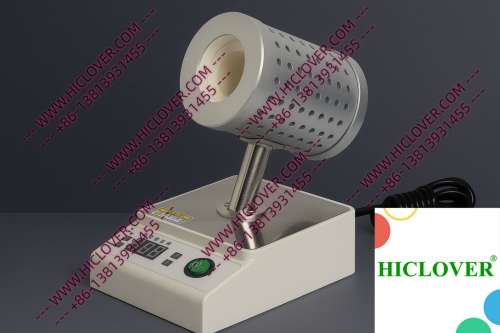
The Micro Incinerator stands out due to its innovative design and technology. Unlike traditional flame sterilizers, such as alcohol lamps or Bunsen burners, which rely on open flames and can introduce risks of aerosol contamination or fire hazards, the infrared loop sterilizer operates on a set of advanced mechanisms:
- Infrared Heat Technology: Utilizing infrared heating ensures rapid thermal sterilization that achieves high temperatures within seconds.
- Enclosed Ceramic Tube: Keeping the sterilization process contained minimizes the risk of aerosol release and provides a clean working environment.
- Adjustable Temperature Settings: Users can customize the temperature based on specific sterilization requirements, enhancing workflow control.
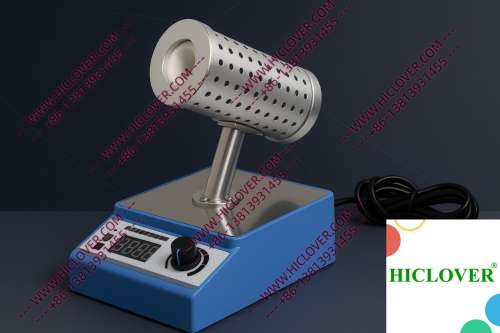
Advantages Over Traditional Flame Sterilizers
The shift from flame to infrared technology offers remarkable benefits:
- Improved Biosafety: Infrared sterilizers eliminate the production of harmful aerosols, crucial for BSL-2 and BSL-3 microbiology labs.
- Cleaner Work Environment: The enclosed design is ideal for use in clean benches, preventing cross-contamination.
- Efficiency and Speed: With rapid heating times, research and clinical staff can focus on their work rather than sterilization cycles.
Applications in Real Laboratory Settings
The Micro Incinerator’s versatility makes it an essential tool across various laboratory settings:
1. Biosafety Cabinets
In microbiology labs, particularly those adhering to strict biosafety standards, the use of Micro Incinerators within biosafety cabinets ensures that sterilization occurs without exposing personnel to flame hazards. Researchers can process inoculating loops and media safely, maintaining a sterile environment throughout their work. This is vital in preventing contamination in sensitive experiments, especially involving pathogenic organisms.
2. Educational Teaching Labs
University teaching labs benefit from using the Micro Incinerator as part of instructional methods for students. By integrating advanced sterilization techniques into the curriculum, institutions promote awareness of biosafety practices while equipping future scientists with hands-on experience in using reliable lab equipment. Moreover, the aerosol-free mechanism fosters a safer learning environment.
Compliance and Environmental Considerations
Japan, known for its stringent safety regulations, emphasizes adherence to global biosafety standards. The World Health Organization (WHO) suggests precautions in laboratory settings, particularly concerning sterilization methods. With compliance-oriented devices like the Micro Incinerator, laboratories can execute operations without flame hazards, thereby meeting the following guidelines:
- WHO biosafety regulations supporting the use of non-flame sterilization mechanisms.
- Facilitating safe operations within clean rooms and high-containment labs.
- Ensuring minimal environmental impact with reduced emissions and cleaner operational outputs.
Comparative Table: Micro Incinerator vs. Flame Burners
| Features | Micro Incinerator | Flame Burners |
|---|---|---|
| Biosafety | No open flame, reduced aerosol contamination | Open flame, risk of aerosols |
| Efficiency | Rapid sterilization within seconds | Longer heating times, less control |
| Environment | Enclosed design reduces environmental impact | More emissions and potential hazards |
FAQs about Infrared Inoculating Loop Sterilizers
1. What is the main advantage of using a Micro Incinerator over a traditional flame sterilizer?
The Micro Incinerator minimizes aerosol contamination and enhances biosafety in laboratories, making it ideal for sensitive microbiological work.
2. Can the Micro Incinerator be used in a BSL-2 lab?
Yes, the Micro Incinerator is designed to meet the stringent requirements of BSL-2 and BSL-3 labs by providing a safe and effective sterilization method.
3. How fast does the Micro Incinerator heat up?
The Micro Incinerator heats up rapidly, achieving the necessary sterilization temperatures in just a few seconds, significantly improving workflow efficiency.
4. Is it suitable for teaching laboratories?
Absolutely! Its safety features and ease of use make it an excellent choice for educational settings.
5. How do I maintain my Micro Incinerator?
Regular maintenance involves cleaning the ceramic tube and ensuring the device is calibrated for optimal performance. Always refer to the manufacturer’s guidelines for best practices.
Conclusion: Elevate Your Laboratory Standards Today
Japan’s commitment to advanced sterilization techniques reflects a broader shift towards maintaining higher standards of safety and efficiency in laboratory environments. The Micro Incinerator / Infrared Inoculating Loop Sterilizer not only meets these challenges but exceeds them with its reliable performance and innovative design. Elevate your laboratory operations by investing in this sophisticated sterilization equipment—contact us today for more information and to explore purchasing options!
Categories:
Tags: