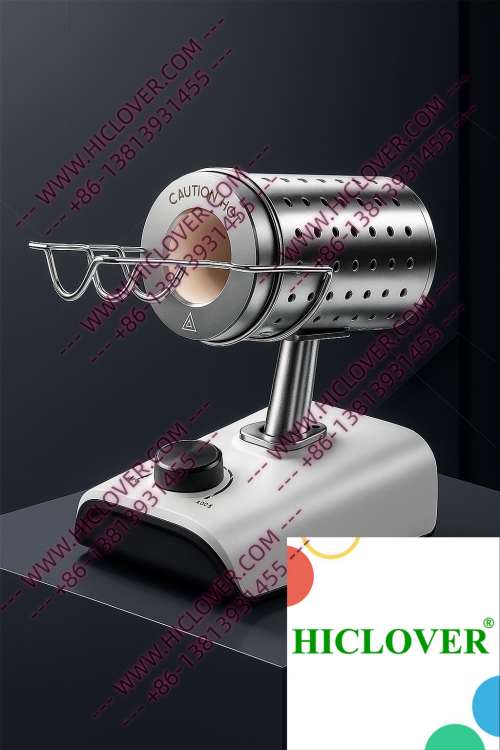
Laboratories face significant challenges in sterilization and biosafety. As health standards evolve and the demand for sterile environments grow, the reliance on effective sterilization equipment has never been more critical. Among these technologies, the Micro Incinerator or Infrared Inoculating Loop Sterilizer presents a modern solution for contamination control. Let’s explore what makes these devices a staple in Karachi’s medical laboratories.
Understanding Micro Incinerators and Their Technical Principle
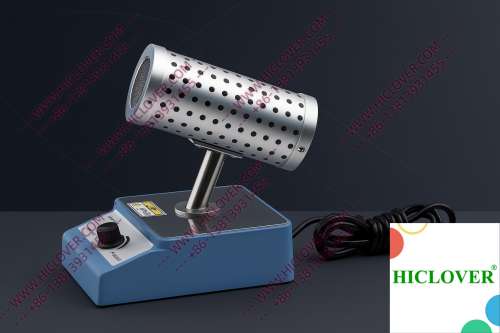
The Micro Incinerator utilizes infrared heat to achieve rapid thermal sterilization. This technology primarily revolves around an enclosed ceramic heating chamber that efficiently conducts high temperatures, ensuring reliable disinfection of inoculating loops and other small laboratory instruments. Unlike traditional flame sterilizers such as Bunsen burners and alcohol lamps, the micro incinerator offers a clean, flame-free operation, reducing aerosol generation and enhancing laboratory safety.
Design and Configuration
Typically, a Micro Incinerator is equipped with the following components:
- Ceramic Heating Chamber: The integral part responsible for generating and maintaining high temperatures.
- Temperature Control System: Allows for precise temperature adjustments based on the requirements of specific samples.
- Fan-Assisted Cooling: Basic yet essential for safety, this feature prevents overheating and safeguards users.
- The risk of flames in clean rooms is eliminated.
- High-temperature disinfection is guaranteed, conforming to rigorous laboratory sterilization standards.
- They are particularly suitable for BSL-2 and BSL-3 microbiology labs.
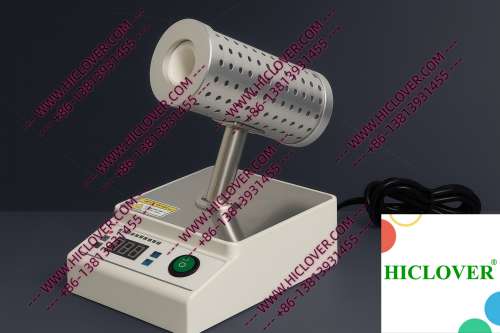
This unique design ensures that laboratory personnel can manage sterilization workflows safely and effectively, minimizing contamination risks.
Real-World Laboratory Applications
The versatility of Micro Incinerators makes them indispensable across various laboratory settings. Below are two key applications illustrating their effectiveness.
1. In University Teaching Labs
In educational institutions, where microbiology is taught, having reliable sterilization tools is essential. Faculty and students utilize Micro Incinerators for safe handling of inoculating tools. In these settings, instructors can demonstrate and involve students in best practices for sterilization, significantly enhancing the learning experience while ensuring biosafety compliance.
2. Within Biosafety Cabinets
Biosafety cabinets serve as critical environments for handling pathogens without risking contamination. Micro Incinerators can be integrated within these controlled environments, allowing lab technicians to effectively sterilize their tools without compromising the sterile air flow. This synergy between advanced sterilization technology and enclosed sterile zones ensures that biosafety standards are meticulously met.
Compliance with Biosafety and Sterilization Standards
Monitoring and maintaining compliance with international biosafety regulations is paramount in laboratories globally. According to the WHO, adherence to sterilization protocols is crucial for preventing the spread of infectious diseases. The use of flame-based sterilizers in clean-room settings is especially discouraged because of the fire hazard and incomplete sterilization. With Micro Incinerators:
These features solidify the Micro Incinerator’s reputation as an essential tool for compliance with biosafety measures while enhancing overall laboratory safety.
Price Factors and Market Demand for Micro Incinerators
In Karachi, the prices of Micro Incinerators can vary based on several factors such as brand, technical specifications, and additional features. A basic model may start from PKR 20,000 to PKR 50,000, whereas advanced units designed for specialized applications can exceed PKR 100,000. As the demand for infection control rises, suppliers in Karachi are beginning to adopt these devices, reflecting a shift towards modern sterilization technologies in the medical and research sectors.
Comparison Between Micro Incinerators and Traditional Flame Sterilizers
| Feature | Micro Incinerator | Flame Sterilizer |
|---|---|---|
| Heat Source | Infrared Ceramic Heating | Open Flame |
| Control | Precise temperature settings | Variable flame control |
| Sterilization Speed | Rapid thermal disinfection | Slower heating time |
| Safety | Flame-free operation | Fire hazards present |
Frequently Asked Questions About Micro Incinerators
What is a Micro Incinerator?
A Micro Incinerator is a laboratory device that utilizes infrared heat to sterilize inoculating loops and small lab instruments effectively.
How does a Micro Incinerator differ from traditional sterilization methods?
Unlike flame sterilizers, Micro Incinerators operate with high efficiency, provide precise temperature control, and significantly enhance safety by avoiding open flames.
Where can Micro Incinerators be used?
Micro Incinerators are commonly used in university teaching labs, microbiology research labs, and field-testing environments.
Are Micro Incinerators compliant with WHO biosafety standards?
Yes, Micro Incinerators meet the stringent biosafety and sterilization standards recommended by the WHO, making them suitable for BSL-2 and BSL-3 labs.
What are the price ranges for Micro Incinerators in Karachi?
The prices can range from PKR 20,000 to PKR 100,000, depending on the model and its features.
Conclusion
The shift towards Micro Incinerators represents not only a technological advancement in laboratory sterilization but also a vital step towards improved biosafety. Given the pressing need for efficient disinfection processes across medical and research sectors, investing in a Micro Incinerator can enhance workflow while complying with strict biosafety regulations.
For those considering upgrading their sterilization practices or purchasing new laboratory equipment, reach out to explore the best options in Micro Incinerators tailored to your needs in Karachi.
Categories:
Tags: