
In the realm of laboratory research and diagnostics, the integrity and safety of samples are paramount. Laboratories, particularly those operating within biosafety levels BSL-2 and BSL-3, face continual challenges in contamination control and sterilization workflow demands. The stakes are even higher in clinical diagnostics and research institutions, where the need for effective sterilization methods is crucial in preventing the spread of pathogens. This is where modern sterilization equipment—specifically, the Micro Incinerator or Infrared Inoculating Loop Sterilizer—becomes an indispensable asset.
Understanding the Micro Incinerator: A Technical Overview
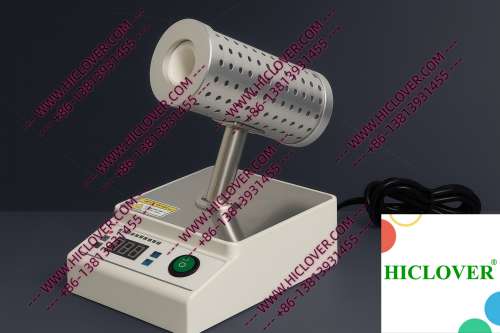
The Micro Incinerator employs the principle of rapid thermal sterilization through infrared heat, utilizing a ceramic heating chamber that achieves high temperatures in a matter of seconds. Unlike traditional flame sterilizers such as alcohol lamps or Bunsen burners, which depend on open flames for disinfection, the Micro Incinerator offers a flame-free solution. This not only reduces fire hazards but also means that no aerosols are generated during operation.
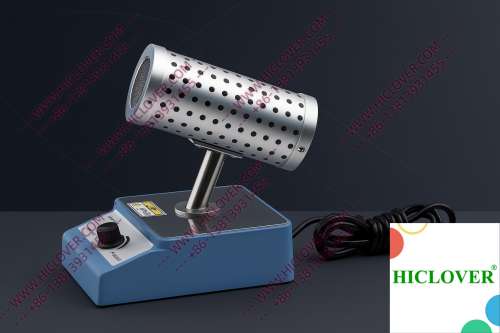
The design often includes an enclosed ceramic tube that concentrates heat, making it highly efficient in sterilizing inoculating loops, needles, and other lab instruments. The microprocessor-controlled mechanism ensures that the temperature can be adjusted accurately, providing maximum flexibility for various laboratory requirements. The sterilization process is both fast and reliable, enhancing overall lab productivity.
Applications in Real Laboratory Settings
-
1. Teaching Labs
In university teaching laboratories, the Micro Incinerator is an essential tool for microbiology students learning about sterile techniques. Its user-friendly design and safety features allow students to conduct experiments with minimal risk of contamination, promoting a better understanding of sterile practices.
-
2. Field Testing
Field testing labs, especially those engaged in environmental monitoring or clinical diagnostics in remote areas, benefit significantly from the portability and efficiency of portable Micro Incinerators. Their compact design enables researchers to maintain sterile conditions without the need for bulky, cumbersome sterilization equipment.
-
What types of labs benefit from using a Micro Incinerator?
Micro Incinerators are ideal for BSL-2 and BSL-3 laboratories, university teaching labs, and field testing labs that prioritize effective sterilization without compromising safety.
-
How does the Micro Incinerator ensure safe sterilization?
The enclosed ceramic tube allows for high-temperature disinfection while minimizing the risk of aerosols and contamination, making it safe for various laboratory environments.
-
Can the Micro Incinerator replace traditional sterilization methods?
Yes, the Micro Incinerator provides an efficient and safer alternative to traditional flame sterilizers, offering rapid and reliable sterilization with reduced fire hazards.
-
What maintenance is required for the Micro Incinerator?
Regular cleaning of the ceramic heating chamber and occasional calibration ensure optimal performance and longevity.
-
Where can I purchase the Micro Incinerator?
Many laboratory supply distributors, hospitals, and research institutions stock Micro Incinerators, and they are often available online for easy access.
Compliance and Environmental Considerations
Meeting compliance standards set forth by the World Health Organization (WHO) and other regulatory bodies is crucial for laboratories, especially when dealing with infectious materials. Many biosafety regulations emphasize the necessity of using sterilization methods that do not produce aerosols or open flames, especially in clean rooms and biosafety cabinets. The Micro Incinerator fulfills these requirements effectively.
Moreover, its utilization aligns with best practices to minimize environmental impact and improve safety. In BSL-2 and BSL-3 labs, where sensitive and potentially hazardous pathogens are involved, employing non-flame sterilization promotes a cleaner and safer laboratory environment.
Micro Incinerator vs. Traditional Flame Sterilizers
| Feature | Micro Incinerator | Traditional Flame Sterilizers |
|---|---|---|
| Temperature Control | Precise, adjustable | Variable, dependent on flame |
| Safety | Flame-free operation | Open flame, fire risk |
| Contamination Risk | Minimal aerosols | Aerosols produced |
| Operation Speed | Rapid sterilization | Variable, slower |
| Portability | Lightweight and portable | Dependent on fuel source |
Frequently Asked Questions (FAQs)
Conclusion: Elevate Your Laboratory Practices Today
In an era where laboratory safety and compliance are of utmost importance, adopting advanced sterilization solutions like the Micro Incinerator is vital. By minimizing contamination risks and ensuring rapid sterilization, this equipment enhances workflow efficiency in every lab setting—from student teaching labs to advanced research facilities. Consider reaching out to us today to explore purchasing options and elevate your laboratory sterilization practices. Your research deserves the best!
Categories:
Tags: