
In the realm of laboratory biosafety, the challenges posed by contamination in field studies are pressing. Within various environments—ranging from BSL-2 microbiology labs to open field testing—effective sterilization methods are paramount. As researchers venture into uncharted territories, maintaining sterile conditions while preventing contamination becomes increasingly vital. This is where the innovative role of portable sterilizers, specifically the Micro Incinerator or Infrared Inoculating Loop Sterilizer, comes into play, providing researchers with rapid and efficient thermal sterilization options.
Understanding the Technical Principles of Infrared Sterilizers
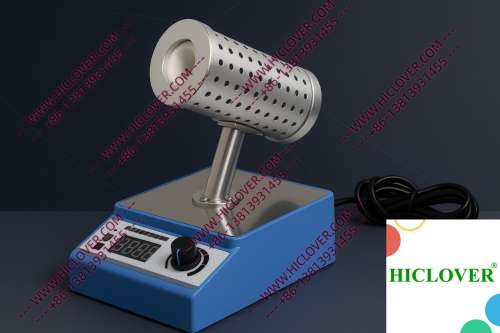
At the heart of the Micro Incinerator lies the principle of infrared heat. This technology utilizes an enclosed ceramic tube designed to reach high temperatures rapidly, ensuring effective sterilization by eliminating microorganisms efficiently. Unlike traditional flame sterilizers, such as alcohol lamps or Bunsen burners, the Micro Incinerator provides a clean-bench-safe environment devoid of open flames, minimizing safety risks associated with flame handling in sensitive labs.
Configurations and Features of the Micro Incinerator
- Compact Design: Ideal for fieldwork and laboratory setups, ensuring portability.
- Rapid Heating: Heats up quickly for on-the-spot sterilization needs.
- Infrared Disinfection: Provides high-temperature disinfection without aerosols.
- Eco-Friendly: Eliminates the need for flammable alcohols, reducing environmental impact.
- What makes the Micro Incinerator a better choice than traditional sterilizers?
The Micro Incinerator offers rapid thermal sterilization without the risks associated with open flames, enhancing safety and efficiency in laboratory environments. - Can I use the Micro Incinerator in field studies?
Absolutely! Its portable and efficient design makes it ideal for field testing scenarios where sterilization must occur away from conventional laboratory settings. - What safety protocols should I follow while using sterilizers?
Follow standard operating procedures for laboratory safety, including using personal protective equipment (PPE) and ensuring proper ventilation when required. - Is it compliant with WHO biosafety standards?
Yes, the Micro Incinerator meets various biosafety compliance requirements, including those set forth by WHO, ensuring safe practices in laboratory sterilization. - How does the sterilization time of a Micro Incinerator compare to flame methods?
The Micro Incinerator reaches higher temperatures more swiftly, resulting in faster sterilization compared to traditional flame methods.
Application Scenarios for Micro Incinerators
Biosafety Cabinet Operations
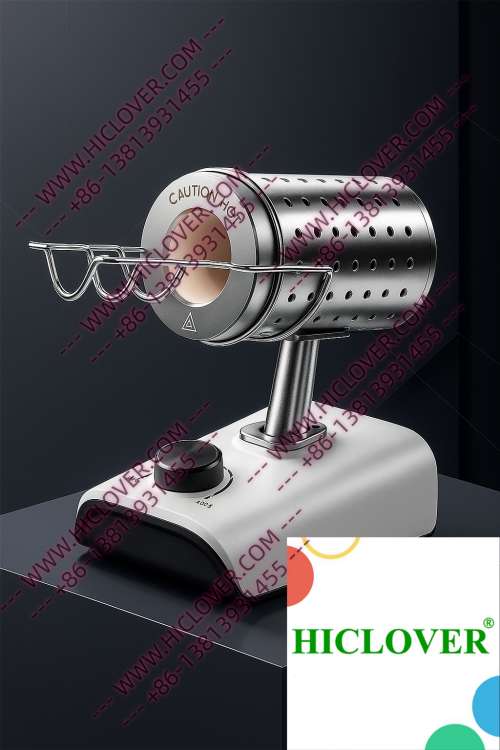
In a typical laboratory workspace, such as a biosafety cabinet, sterilization is crucial. Researchers use the Micro Incinerator to sterilize inoculating loops and other instruments in between sample preparations, ensuring a contamination-free workspace. This method upholds the integrity of ongoing experiments, particularly in disease research and microbiological studies.
Field Testing and Mobile Laboratories
In contrast to traditional laboratory settings, field testing presents unique challenges, especially regarding sterilization logistics. Mobile laboratories deployed in remote areas need reliable sterilization equipment that is both efficient and safe. The Micro Incinerator’s portability allows researchers to conduct sterilization on-site without worrying about flame-related hazards, thus enhancing the productivity of field studies in unpredictable environments.
Compliance and Environmental Considerations
Adhering to biosafety and sterilization standards is vital for all laboratory activities. Organizations such as the World Health Organization (WHO) emphasize compliance with strict biosafety protocols. The Micro Incinerator supports these guidelines by providing a safe sterilization method that aligns with current best practices in laboratory sterilization.
The absence of open flames in clean rooms and designated sterile environments significantly minimizes the risk of accidents, enhancing worker safety and reducing potential contamination from flame residues. This feature makes the Micro Incinerator an essential asset for institutions aiming to comply with international lab sterilization standards.
Innovative Advantages of Portable Sterilizers over Traditional Flame Methods
| Feature | Micro Incinerator | Flame Sterilizers |
|---|---|---|
| Heating Method | Infrared | Open Flame |
| Safety | No risk of accidental burns | High risk of burns and fire hazards |
| Environmental Impact | Eco-friendly, no fumes | Emissions from burning |
| Efficiency | Rapid thermal sterilization | Slower to reach sterilization temperatures |
Frequently Asked Questions (FAQs)
Conclusion
As laboratory workflows evolve, the importance of effective sterilization methods like the Micro Incinerator cannot be overstated. Its innovative design addresses current biosafety challenges, providing significant advantages over traditional flame sterilizers. By ensuring consistent, rapid thermal sterilization, researchers can maintain the integrity and safety of their work across various settings, from university teaching labs to field studies.
For research institutions, hospitals, and NGOs looking to improve their sterilization practices, investing in a Micro Incinerator can provide a streamlined workflow, compliance with safety standards, and enhanced safety for laboratory personnel. Contact us today to discover how the Micro Incinerator can support your laboratory environment!
Categories:
Tags: