
In modern laboratories, ensuring biosafety is paramount. The need for efficient sterilization workflow is particularly acute in environments dealing with sensitive samples, pathogens, and biological materials. Traditional methods such as Bunsen burners and alcohol lamps, while effective, pose considerable risks including flame hazards, the potential for aerosol generation, and contamination challenges. As laboratories strive for higher biosafety standards, the demand for advanced sterilization equipment like the Micro Incinerator / Infrared Inoculating Loop Sterilizer has surged. This article delves into the science of rapid sterilization devices, focusing on their technical principles, benefits, and real-world application scenarios.
The Technical Principles of Infrared Sterilization
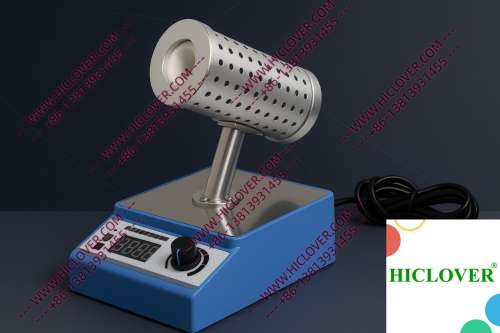
The Micro Incinerator employs infrared heat technology to achieve rapid thermal sterilization. At its core, this device utilizes an enclosed ceramic tube that generates high temperatures, ensuring effective disinfection without the complications associated with open flames. The precise application of infrared radiation allows for controlled heating, which rapidly sterilizes inoculating loops and other small tools in mere seconds.
Unlike traditional flame sterilizers, the Micro Incinerator eliminates the risk of open flame exposure, making it suitable for operations within biosafety cabinets and cleanrooms. The precise thermal control not only enhances safety by reducing the risk of fire but also improves the workflow by providing immediate readiness for subsequent use. With a focus on maintaining a contamination-free environment, this device aligns perfectly with contemporary laboratory needs.
Real-World Applications in Laboratories
1. Biosafety Cabinets
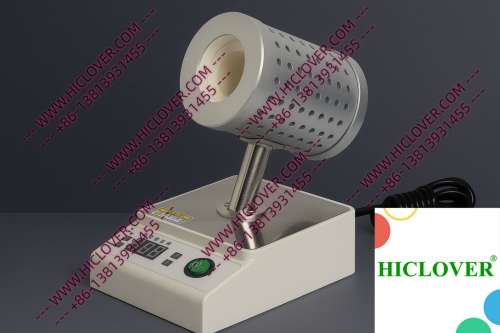
In BSL-2 and BSL-3 laboratories, working under stringent biosafety protocols is essential. The Micro Incinerator can be seamlessly integrated into biosafety cabinets, where its flame-free design minimizes the risk of introducing contaminants. When researchers need to sterilize inoculating loops after sampling from cultures, the rapid heating of the Micro Incinerator completes the task swiftly. This reliability supports ongoing experiments and reduces downtime, allowing scientists to focus on their research, not on sterilization delays.
2. Field Testing and Mobile Labs
Field testing environments present unique challenges; accessibility to consistent energy sources and sterilization equipment can be limited. The Micro Incinerator, lightweight and portable, can function effectively in remote locations. Whether deploying tests for environmental studies or rapid disease screening, researchers can reliably sterilize instruments on-site without the need for bulky equipment or the risks associated with flame sterilization. In such critical scenarios, maintaining a sterile environment is vital, and this device serves as a practical solution.
Compliance and Safety Standards
Adhering to biosafety standards set forth by organizations such as the World Health Organization (WHO) is non-negotiable in laboratory settings. Compliance with these protocols not only ensures the safety of laboratory personnel but also enhances the integrity of research outcomes.
The Micro Incinerator meets essential lab sterilization standards, providing a clean and efficient method for microbial handling. Its design aligns with cleanroom requirements, allowing for aerosol-free handling in sterile environments. Furthermore, these devices help laboratories mitigate the inherent risks associated with traditional flame burners, which are prohibited in cleanrooms due to their potential to contaminate the atmosphere.
- Flame-Free Operation: Minimizes risk of fire hazards.
- Rapid Thermal Effect: Inoculating loops ready within seconds.
- Portability: Ideal for field testing and mobile labs.
- Ease of Use: Simple controls enhance workflow efficiency.
Comparison: Micro Incinerator vs. Traditional Flame Sterilizers
| Feature | Micro Incinerator | Flame Sterilizers |
|---|---|---|
| Heat Source | Infrared ceramic | Open flame |
| Contamination Risk | Low | High |
| Ease of Use | Single-button operation | Manual adjustment required |
| Time Efficiency | Instant readiness | Variable; may require cooling |
| Portability | Highly portable | Bulky and less portable |
Frequently Asked Questions (FAQs)
What is the primary advantage of using a Micro Incinerator over a flame sterilizer?
The primary advantage is safety. Micro Incinerators utilize infrared heat, eliminating the risks associated with open flames. This feature is particularly important in cleanroom settings where contamination control is critical.
How quickly can a Micro Incinerator sterilize instruments?
The Micro Incinerator can sterilize inoculating loops and other small tools in just a few seconds, significantly reducing wait time and enhancing workflow efficiency in the lab.
Can the Micro Incinerator be used in the field?
Yes, its lightweight and portable design makes it ideal for use in field testing and mobile laboratory conditions, where traditional flame sterilizers may not be practical.
What are the maintenance requirements for this device?
Maintenance is minimal. Regular cleaning of the ceramic heating chamber is recommended to ensure optimal performance and longevity of the device.
Is the Micro Incinerator compliant with international biosafety standards?
Yes, it meets essential biosafety and cleanroom standards, making it suitable for use in laboratories that operate under stringent safety regulations.
Conclusion
In the ever-evolving landscape of laboratory research, the Micro Incinerator / Infrared Inoculating Loop Sterilizer emerges as a transformative tool for ensuring efficient sterilization while prioritizing safety and compliance. By adopting this cutting-edge technology, laboratories can enhance their workflow, reduce contamination risks, and align with global standards of biosafety. For those looking to upgrade their sterilization processes, investing in a Micro Incinerator is a proactive step toward operational excellence. Contact us today to learn more about incorporating this innovative solution into your laboratory!
Categories:
Tags: