
In the dynamic world of biological research and diagnostics, mobile laboratory environments face unique biosafety challenges. Whether conducting field tests for infectious diseases in rural settings or managing specimens in university teaching labs, the need for effective sterilization is paramount. The risks of contamination can lead to compromised research outcomes and health threats for personnel and the community. This is where advanced sterilization equipment, particularly the Micro Incinerator or Infrared Inoculating Loop Sterilizer, plays a crucial role.
Challenges of Laboratory Sterilization
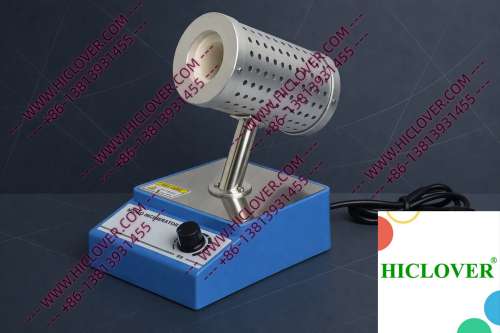
Typical sterilization workflows often depend on traditional methods like flame sterilization, which pose several disadvantages. While Bunsen burners or alcohol lamps are common, they can introduce airborne contaminants and increase the risks of thermal burns. Moreover, using an open flame in clean rooms is risky and often against compliance protocols. The unique benefits of infrared sterilization are gradually making it a preferred choice in various laboratory settings.
How Does Infrared Sterilization Work?
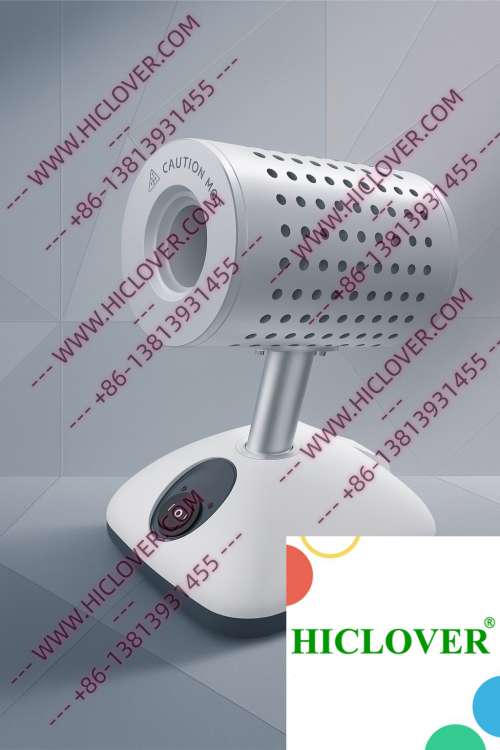
The Micro Incinerator employs a cutting-edge infrared heating mechanism utilizing an enclosed ceramic tube. This design allows for rapid thermal sterilization without the dangers associated with flames. Through infrared high-temperature disinfection, the device effectively sterilizes inoculating loops and other metal instruments in seconds. The ceramic heating chamber uses concentrated heat, ensuring that any pathogens or contaminants are eradicated swiftly and efficiently.
Applications in Real Laboratories
1. Biosafety Cabinets
In BSL-2 and BSL-3 microbiology labs, where precise contamination control is critical, the Micro Incinerator serves as an indispensable tool. Scientists can utilize it easily within a biosafety cabinet, providing a sterile work area where the risk of aerosol exposure is minimized. As instruments are sterilized with low risk for contamination, scientists can focus on analyses and experiments with heightened confidence.
2. Field Testing
Mobile laboratories often function in varied environments, from remote locations to urban settings. For instance, during epidemiological investigations in developing areas, researchers can deploy the Micro Incinerator to maintain sterility of tools used for sampling. The compact design allows for convenient transportation, ensuring that high standards of microbial safety are maintained during fieldwork. Moreover, the lack of flame mitigates the risk of fire hazards in bush or forested areas.
Compliance and Environmental Considerations
Regulatory compliance is integral to laboratory operations. The World Health Organization (WHO) and other regulatory bodies set strict guidelines for sterilization practices. For instance, laboratories are required to implement efficient low-shedding sterilization methods that limit aerosols. The Micro Incinerator adheres to these guidelines, providing sterilization without flame-related emissions. This technology not only supports the overarching goal of contamination control but also aligns with sustainable laboratory practices.
Advantages Over Traditional Flame Sterilizers
- Less aerosol generation
- Fast sterilization cycles (< 10 seconds)
- No flammable materials necessary
- Compact, portable design for easy transport
- Reduced risk of burns and fire hazards
Micro Incinerator vs. Flame Burners: A Comparison
| Feature | Micro Incinerator | Flame Burners |
|---|---|---|
| Heat Source | Infrared | Open flame |
| Safety | Higher (no flames) | Lower (risk of burns and fires) |
| Speed of Sterilization | ≤ 10 seconds | Variable (dependent on technique) |
| Contamination Risk | Minimal | Higher (airborne particles) |
FAQs
1. How does the Micro Incinerator ensure rapid sterilization?
The Micro Incinerator uses infrared technology, allowing for quick heating and effective microbial kill times of less than 10 seconds.
2. Is the use of a Micro Incinerator compliant with WHO regulations?
Yes, it aligns with WHO biosafety guidelines, emphasizing low-shedding sterilization methods without open flames.
3. Can the Micro Incinerator be used in field testing scenarios?
Absolutely! Its portability and quick sterilization capabilities make it ideal for use in mobile laboratories or field settings.
4. What are the key advantages of using infrared sterilization compared to traditional methods?
Infrared sterilization provides faster kill times, reduces contamination risk, eliminates flammable substances, and is safer overall.
5. What types of laboratories would benefit from using a Micro Incinerator?
Biosafety labs, university teaching facilities, and field testing environments can all effectively utilize Micro Incinerators for superior sterilization outcomes.
Conclusion
In conclusion, the importance of effective sterilization devices such as the Micro Incinerator cannot be overstated, especially in mobile laboratory environments. With its rapid thermal sterilization capabilities and compliance with international safety standards, it represents a significant advancement over traditional flame-based systems. As laboratories continue to prioritize safety and efficiency, investing in high-quality sterilization equipment is essential. For more information or to purchase the Micro Incinerator, please reach out to us!
Categories:
Tags: