
In laboratory environments, maintaining sterile conditions is crucial for both the integrity of experiments and the safety of personnel. Traditional methods of sterilization, such as Bunsen burners and alcohol lamps, often come with significant challenges: they produce open flames, create aerosol contaminants, and require meticulous handling. In contrast, modern sterilization equipment like the Micro Incinerator or Infrared Inoculating Loop Sterilizer, represents a considerable advancement in achieving laboratory biosafety and operational efficiency.
Understanding the Technology Behind Infrared Sterilizers
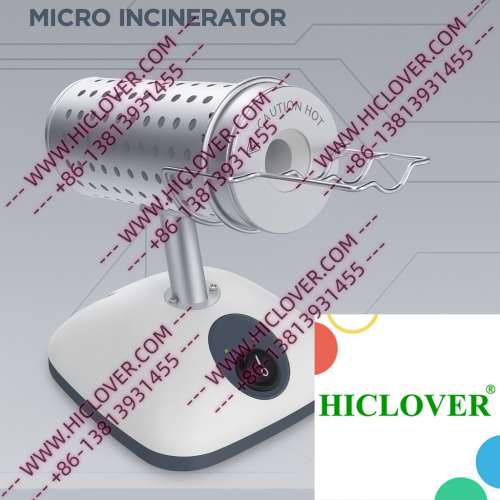
The Micro Incinerator functions using infrared heat technology, allowing for rapid thermal sterilization without the hazards associated with traditional flame-based sterilizers. At its core, the device utilizes a ceramic heating chamber, which heats up to high temperatures almost instantly. This design ensures even and consistent sterilization of inoculating loops, needles, and other tools, all while minimizing contamination risk.
Moreover, the enclosed ceramic tube within the sterilizer not only enhances safety but also facilitates aerosol-free handling. This feature is particularly essential in high-risk environments where even the slightest contamination could jeopardize research outcomes or laboratory safety.
Real-World Applications of Micro Incinerators
1. Operating in Biosafety Cabinets
In BSL-2 or BSL-3 microbiology labs, where the manipulation of pathogenic microorganisms occurs, the need for rigorous sterilization is paramount. Utilizing the Micro Incinerator within a biosafety cabinet allows researchers to effectively sterilize their tools immediately following use. Unlike traditional flame sterilizers, the Micro Incinerator’s infrared technology eliminates the risks associated with open flames and produces zero smoke, ensuring that the clean air environment remains uncompromised.
2. Field Testing in Remote Areas
Field testing often faces unique challenges, including limited access to electricity and the need for portable sterilization solutions. The low-maintenance Micro Incinerator shines in these scenarios as well. Its efficient energy usage, compact design, and straightforward operation make it an invaluable tool for scientists conducting research in remote locations. Rapid sterilization of tools ensures that cross-contamination is minimized, promoting the reliability of results.
Compliance and Environmental Impact
Adhering to laboratory biosafety standards is essential for preventing contamination and ensuring safe working conditions. Organizations such as the World Health Organization (WHO) set forth guidelines that emphasize the importance of appropriate sterilization methods. In cleanroom environments, the absence of flames is a critical requirement, as any open flame poses a contamination risk. The high-temperature disinfection capabilities of infrared sterilizers align with these stringent standards, making them safe for use in clean environments.
Advantages Over Traditional Flame Sterilizers
When comparing the Micro Incinerator to traditional flame sterilizers, several advantages stand out:
- Safety: No open flames reduce the risk of fire hazards.
- Efficiency: Delivering consistent high temperatures ensures rapid sterilization.
- Environmentally friendly: No toxic fumes or aerosol production.
- Ease of use: Simple operation minimizes user training requirements.
Comparison Table: Micro Incinerator vs. Traditional Flame Burners
| Feature | Micro Incinerator | Flame Burner |
|---|---|---|
| Type of Heat Source | Infrared | Open Flame |
| Safety | High – No open flames | Moderate – Fire risk present |
| Maintenance | Low | High – Regular maintenance needed |
| Contamination Control | Excellent | Variable |
Frequently Asked Questions
- How does an infrared inoculating loop sterilizer work? It uses high temperatures generated by infrared technology to rapidly sterilize lab tools without flames.
- Can this sterilizer be used in field testing? Yes, its portable design and efficiency make it ideal for remote locations.
- Is it safe to use in cleanroom environments? Absolutely, as it operates without an open flame, making it compliant with cleanroom standards.
- What maintenance does the Micro Incinerator require? It has low maintenance needs, primarily requiring occasional cleaning of the ceramic tube.
- How does it compare to traditional methods like Bunsen burners? It offers superior safety, efficiency, and ease of use compared to traditional flame-based methods.
Conclusion
The challenges of laboratory biosafety can be daunting, but the introduction of advanced sterilization equipment like the Micro Incinerator provides a transformative solution. By utilizing infrared technology, this low-maintenance sterilizer not only enhances safety but also improves workflows across diverse laboratory settings including clinical diagnostics, university teaching labs, and mobile testing environments.
For labs that demand both efficiency and compliance with safety standards, investing in a Micro Incinerator is an intelligent choice. For more information or to purchase this essential equipment, contact us today.
Categories:
Tags: