
Laboratories operate under stringent biosafety demands to prevent contamination and maintain microbial integrity. Traditional sterilization methods like Bunsen burners or alcohol lamps present significant challenges in maintaining a clean environment, often releasing aerosols and increasing the risk of exposure. In Kuwait, a nation invested in improving its waste management and laboratory practices, the advent of micro incinerators, particularly the Micro Incinerator / Infrared Inoculating Loop Sterilizer, offers a revolutionary solution to these pressing issues.
Features of the Micro Incinerator
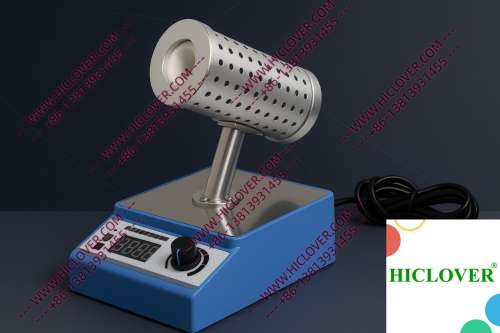
The Micro Incinerator harnesses advanced technology to provide rapid thermal sterilization using infrared heat. Its enclosed ceramic heating chamber allows for efficient disinfection without flame, making it ideal for clean-room environments. This technology ensures that essential materials, including inoculating loops and culture plates, are sterilized effectively while minimizing the risk of contamination.
- Rapid Sterilization: Effective heating at high temperatures in seconds.
- Aerosol-free Operation: No flame means no aerosol generation, promoting a cleaner work environment.
- Compact Design: Perfect fit for biosafety cabinets and teaching labs.
- Energy Efficient: Significant reduction in energy consumption compared to traditional methods.
- What is the primary advantage of using a Micro Incinerator over traditional flame sterilizers? The Micro Incinerator offers rapid sterilization without hazardous aerosols and is safer in clean environments.
- How does the Micro Incinerator maintain compliance with WHO standards? It eliminates open flames and aerosols, adhering to biosafety protocols while ensuring efficient sterilization.
- Can the Micro Incinerator be used in field testing scenarios? Yes, its compact design and ease of use make it an excellent choice for mobile and field testing labs.
- Is the Micro Incinerator energy-efficient? Absolutely, it consumes significantly less energy compared to traditional flame-based sterilization methods.
- How does this technology benefit teaching laboratories? It promotes a safe learning environment free from fire hazards, encouraging hands-on experience with sterilization techniques.
Applications of Micro Incinerators in Laboratory Settings
The Micro Incinerator is remarkably versatile and can be employed in various laboratory scenarios:
1. BSL-2 / BSL-3 Microbiology Labs
In Biosafety Level (BSL) 2 and BSL-3 labs, where pathogens posing moderate to high risks are present, the need for effective sterilization becomes paramount. The Micro Incinerator allows laboratory personnel to safely sterilize inoculating loops and other instruments in a controlled, clean manner. By eliminating the risk of fire hazards commonly associated with flame sterilizers, it enhances the overall safety protocols within these sensitive environments.
2. Teaching Laboratories
Academic institutions in Kuwait are increasingly adopting micro incineration technology due to its safety and effectiveness. In teaching labs, where students learn the fundamentals of microbiology and cellular biology, the Micro Incinerator serves as an excellent educational tool. It allows students to understand sterilization processes without the fear of working with an open flame, thus fostering a safer learning environment.
Compliance and Environmental Considerations
The shift towards using micro incinerators aligns with global biosafety guidelines provided by the World Health Organization (WHO). Effective sterilization in laboratories is a crucial compliance requirement for mitigating the risk of contamination. Micro Incinerators conform to laboratory sterilization standards, ensuring that hazardous materials are adequately processed without producing harmful byproducts or aerosols.
Moreover, micro incinerators facilitate adherence to clean-room protocols, as they eliminate open flames which can compromise sterile conditions. Facilities employing these systems can easily achieve a higher level of compliance while enhancing lab safety.
Comparison of Micro Incinerators vs. Traditional Flame Burners
| Feature | Micro Incinerator | Flame Burners |
|---|---|---|
| Sterilization Speed | Instant (seconds) | Varies (depends on skill) |
| Aerosol Production | None | High |
| Environment Impact | Minimal | Potentially hazardous fumes |
| Ease of Use | Simple, one-button operation | Requires skill and safety measures |
Frequently Asked Questions
Conclusion
As Kuwait continues to address challenges in waste management and laboratory safety, the introduction of micro incinerators like the Micro Incinerator / Infrared Inoculating Loop Sterilizer represents a significant advancement. By seamlessly integrating technology and compliance, laboratories can enhance their operational efficiency while ensuring a safe environment. For those looking to upgrade their sterilization practices, we invite you to explore our range of high-quality micro incinerators. For inquiries or purchasing details, feel free to contact us.
Categories:
Tags: