
In today’s rapidly evolving biotech landscape in France, maintaining strict compliance with laboratory sterilization standards is more crucial than ever. The challenges surrounding biosafety and contamination control, particularly within BSL-2 and BSL-3 microbiology labs, necessitate innovative solutions for sterilization. Among these solutions, the Micro Incinerator, also known as the Infrared Inoculating Loop Sterilizer, stands out as a key instrument in ensuring reliable and rapid thermal sterilization. This article delves into its operational principles, practical applications, compliance factors, and other essential aspects for laboratory professionals.
Understanding the Micro Incinerator
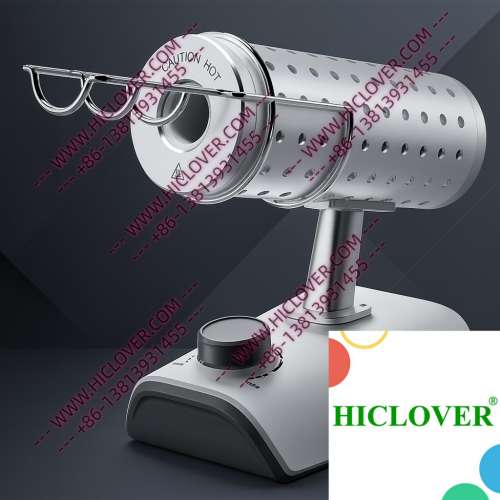
The Micro Incinerator operates using infrared heat technology, which provides a clean, efficient method of sterilizing inoculating loops without the need for a flame. This device is constructed with an enclosed ceramic tube that allows for high temperatures necessary for rapid thermal sterilization while ensuring that the process remains safe for users. Unlike traditional flame sterilizers, such as alcohol lamps and Bunsen burners, the Micro Incinerator minimizes the risk of aerosol generation and contamination, making it particularly suited for clean environments.
Technical Features of the Micro Incinerator
- Infrared High-Temperature Disinfection: Rapidly achieves desired sterilization temperatures.
- Ceramic Heating Chamber: Durable and efficient, designed to withstand high thermal loads.
- Aerosol-Free Handling: Prevents airborne contamination within sterile environments.
- Compact and Portable Design: Easy to integrate into laboratory workflows or for mobile field testing.
Applications in Real Laboratories
The versatility of the Micro Incinerator enables its use across various laboratory settings. Here are two significant application scenarios:
Biosafety Cabinets
In BSL-2 and BSL-3 labs, maintaining a sterile environment is paramount. The Micro Incinerator can be placed within a biosafety cabinet, allowing researchers to perform sterilization without exposing themselves or their samples to external contaminants. This closed environment mitigates the risk of aerosol escape, ensuring both the safety of lab personnel and the integrity of experiments. Its rapid thermal sterilization capabilities also streamline laboratory workflows, allowing for quick turnaround times during critical research projects.
University Teaching Labs
In educational institutions, teaching labs often grapple with resource constraints and the need for safe, efficient sterilization techniques. Implementing the Micro Incinerator in university labs where students learn microbiological techniques provides an effective means to demonstrate sterilization principles without the inherent risks of flame-based methods. This not only enhances student understanding of contamination control but also fosters a culture of safety and compliance from the onset of their training.
Compliance and Environmental Considerations
Compliance with international biosafety standards is critical for laboratories in France. The World Health Organization (WHO) outlines strict guidelines regarding laboratory safety and sterilization practices, particularly in environments handling infectious materials. With no flame operation, the Micro Incinerator contributes to a clean bench-safe workplace by aligning with the recommendations for controlled environments. Furthermore, as sterilization standards evolve, laboratories using such innovative equipment stand at the forefront of regulatory compliance.
Adopting the Micro Incinerator not only meets but exceeds traditional sterilization compliance, ensuring safety without compromising efficiency. Organizations can confidently meet WHO requirements while enhancing lab workflow.
Comparison of Micro Incinerators and Traditional Flame Sterilizers
| Feature | Micro Incinerator | Traditional Flame Sterilizer |
|---|---|---|
| Safety | No flame, reduced risk of burns | Open flame, risk of burns and fire |
| Contamination Control | Aerosol-free operation | Risk of aerosol generation |
| Heating Speed | Rapid thermal sterilization | Varied heating speed, depending on fuel |
| Portability | Compact design, field-friendly | Less portable, bulky equipment |
| Maintenance | Minimal maintenance required | Regular maintenance needed for flame management |
Frequently Asked Questions
What is the ideal temperature for the Micro Incinerator?
The Micro Incinerator typically reaches sterilization temperatures of 800–1000°C, ensuring effective microbial elimination.
Can the Micro Incinerator be used in a cleanroom environment?
Yes, the Micro Incinerator is designed for cleanroom use due to its aerosol-free operation and flame-less design, ensuring compliance with strict cleanroom protocols.
Is the Micro Incinerator suitable for all laboratory types?
While it is highly effective in BSL-2 and BSL-3 labs, the Micro Incinerator is also beneficial in teaching labs and during field testing, making it a versatile choice for various applications.
How does the Micro Incinerator compare to other sterilization methods?
Compared to traditional methods, the Micro Incinerator offers improved safety, efficiency, and lower operational costs, making it an optimal choice for modern laboratories.
Conclusion
The Micro Incinerator / Infrared Inoculating Loop Sterilizer is not just an equipment choice; it is a strategic investment in laboratory safety, compliance, and operational efficiency. In a sector as critical as biotechnology, having reliable sterilization tools can profoundly impact research outcomes and workplace safety. If you are ready to enhance your laboratory operations and ensure compliance with the latest biosafety standards in France, consider adding the Micro Incinerator to your portfolio. Contact us today to learn more about this essential tool for your laboratory needs.
Categories:
Tags: