
In today’s fast-paced laboratory environment, biosafety challenges arise frequently, especially for microbiology departments that deal with potential biological hazards. As a result, efficient sterilization workflows are crucial to maintaining a safe and contaminant-free workspace. One equipment that stands out for achieving rapid sterilization is the Micro Incinerator, specifically the Infrared Inoculating Loop Sterilizer. This article explores best practices for sterilizer use, emphasizing safety, efficacy, and compliance with biosafety standards.
Why Choose Infrared Technology?
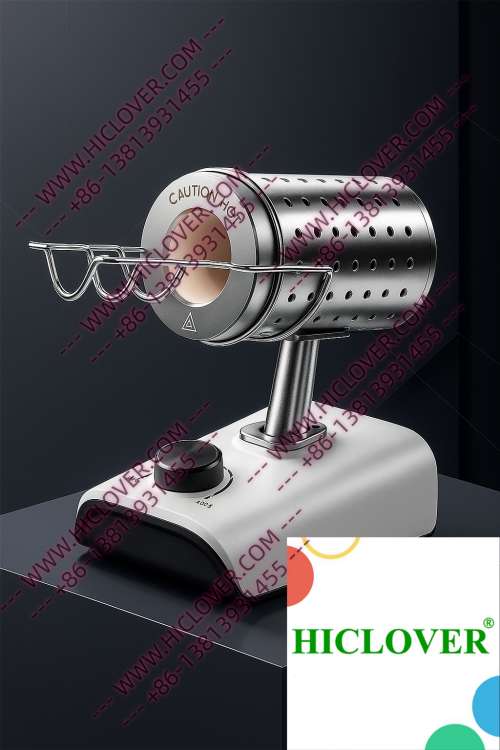
Infrared sterilizers, like the Micro Incinerator, employ advanced heating techniques that significantly enhance thermal sterilization processes. Unlike traditional flame methods such as alcohol lamps and Bunsen burners, infrared units utilize an enclosed ceramic tube that provides controlled, high-temperature disinfection. The infrared heat gently yet rapidly sterilizes inoculating loops or tools, ensuring they reach the required temperature to eliminate microbial contaminants without creating aerosols.
Key Features of the Micro Incinerator
- Rapid Thermal Sterilization: Achieves sterilization in seconds, which is critical for laboratories under time constraints.
- Clean-Bench-Safe Design: Its enclosed design minimizes the risk of contamination often associated with open flame sterilizers.
- Aerosol-Free Handling: Eliminates the production of harmful aerosols, thereby enhancing laboratory safety.
- Energy Efficiency: Consumes less energy compared to traditional burner devices, reducing operational costs.
Applications of the Micro Incinerator in Real Labs
This innovative sterilizer is versatile and finds applications across various laboratory settings:
1. Biosafety Cabinet Use
In BSL-2 and BSL-3 laboratories, where safety is paramount, the Micro Incinerator serves as an essential tool. Its use within a biosafety cabinet allows microbiologists to efficiently sterilize tools and loops while working with pathogenic microorganisms. The closed environment minimizes the risk of airborne contamination and maintains strict sterility protocols.
2. Field Testing and Teaching Labs
During field testing, particularly in remote locations, the infrared inoculating loop sterilizer offers a lightweight and portable solution. University teaching labs benefit from its ease of use — students can practice microbiological techniques while ensuring sterilization procedures are effective and safe, without the constant supervision required for traditional flame sterilizers.
Compliance with Biosafety Standards
Ensuring compliance with biosafety standards, such as WHO biosafety guidelines and ISO laboratory sterilization protocols, is critical for all laboratories. Open flame devices are often not recommended in clean rooms, and the use of a Micro Incinerator aligns with these recommendations by providing an efficient, safe, and compliant method of sterilization. Moreover, adherence to regulatory standards reduces liability and fosters a culture of safety and quality in laboratory environments.
“Adopting the Micro Incinerator not only enhances lab safety but also elevates our procedural compliance to international standards,” notes Dr. Susan V., a microbiologist at a leading research facility in Atlanta, GA.
Comparison of Sterilization Methods
| Feature | Micro Incinerator | Traditional Flame Sterilizers |
|---|---|---|
| Sterilization Time | Seconds | Minutes |
| Risk of Contamination | Low | Moderate |
| Aerosol Production | None | Yes |
| Energy Efficiency | High | Low |
| Ease of Use | High | Requires Training |
FAQs: Understanding the Micro Incinerator
What is a micro incinerator used for?
A micro incinerator is designed to rapidly sterilize inoculating loops and other laboratory instruments through infrared heat, effectively eliminating microbial contamination.
How does an infrared sterilizer differ from traditional methods?
Infrared sterilizers provide a closed, controlled environment for sterilization, significantly decreasing aerosol risk and contamination compared to open flame methods.
Are micro incinerators safe for BSL-2 and BSL-3 labs?
Yes, they meet the safety and sterilization standards required for BSL-2 and BSL-3 laboratories, allowing for safe manipulation of pathogens.
Can I use a micro incinerator in a cleanroom environment?
Absolutely! Micro incinerators are ideal for cleanroom environments as they reduce contamination risks associated with traditional flame sterilizers.
How easy is it to operate a micro incinerator?
Micro incinerators are designed for user-friendliness, with minimal training required, making them an excellent choice for teaching labs and general laboratory use.
Conclusion: Elevate Laboratory Safety with the Micro Incinerator
Investing in a Micro Incinerator not only enhances operational efficiency in microbiology departments but significantly bolsters safety protocols in accordance with international lab standards. If you’re looking to streamline your sterilization process, consider integrating this innovative solution into your laboratory setup. For more information or to inquire about purchasing, feel free to contact us!
Categories:
Tags: