
In today’s laboratory settings, maintaining optimal biosafety is crucial for effective research and patient outcomes. Laboratories are often at the forefront of scientific discovery, making the need for advanced sterilization techniques critical. Traditional methods, such as alcohol lamps and Bunsen burners, can pose risks related to open flames, necessitating alternative approaches. This is where innovative laboratory sterilization equipment, particularly the Micro Incinerator or Infrared Inoculating Loop Sterilizer, comes into play.
Practical Laboratory Biosafety Challenges
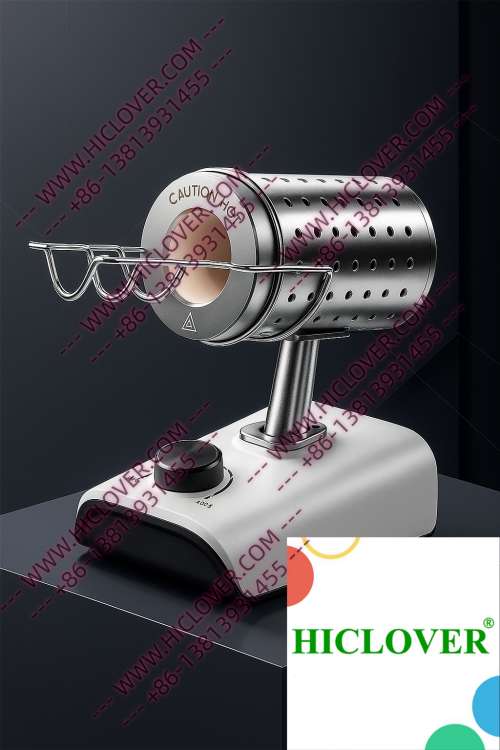
Laboratory professionals face numerous biosafety challenges, from contamination control to maintaining sterile environments. The demand for efficient and rapid thermal sterilization methods that comply with strict regulatory standards is paramount. Whether conducting experiments in a BSL-2 or BSL-3 microbiology lab, scientists must ensure that their sterilization methods do not compromise the integrity of their results or the safety of their environments. This situation amplifies the need for reliable sterilization solutions that minimize risks associated with traditional flame sterilizers.
Technical Principles of the Micro Incinerator
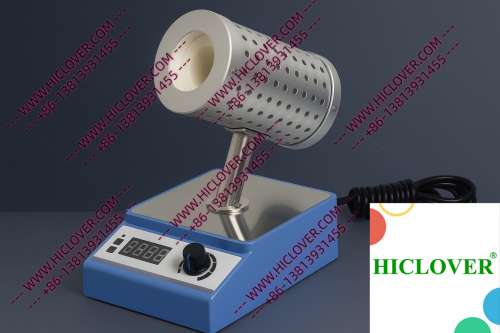
The Micro Incinerator employs infrared heat to achieve high-temperature disinfection, utilizing a ceramic heating chamber that ensures rapid and efficient sterilization. With advanced technology, this device provides a clean-bench-safe solution, making it suitable for use in BSL-2 and BSL-3 laboratory settings. Its design minimizes aerosol generation, allowing for safer handling of sterile inoculating loops, needles, and other small instruments.
Unlike traditional flame sterilizers, the Micro Incinerator is not only more efficient but also significantly safer. The enclosed ceramic tube eliminates risks associated with open flames, providing a more controlled environment for sterilization.
Application Scenarios in Real Labs
1. Biosafety Cabinets
In a biosafety cabinet, maintaining a sterile workspace is vital for experiments involving pathogenic organisms. Using the Micro Incinerator allows researchers to effectively sterilize inoculating loops without introducing open flames that could compromise the sterile environment. The infrared technology ensures that loop and needle sterilization happens quickly, allowing for greater workflow efficiency in high-stakes research.
2. Field Testing Labs
Field testing laboratories often work in remote locations where traditional sterilization methods may not be safe or feasible. The portability of the Micro Incinerator enables researchers to conduct sterilization on-site, significantly reducing the risk of contamination during samples collection and analysis. Its lightweight and compact design make it ideal for mobile labs that demand high standards of cleanliness.
Compliance and Environmental Considerations
Adherence to international biosafety regulations is crucial for laboratory safety. The World Health Organization (WHO) has established guidelines for lab sterilization that emphasize the need for efficient sterilization practices. The Micro Incinerator stands out in this regard, aligning with established lab sterilization standards that mandate the use of equipment that minimizes contamination risks.
Moreover, using flame-free technologies is critical in cleanroom environments where even minor contamination can have significant negative impacts. The Micro Incinerator, as a non-flame sterilization device, fulfills these requirements while providing an efficient solution for maintaining a sterile workspace.
Comparison Table: Micro Incinerator vs. Flame Burners
| Feature | Micro Incinerator | Flame Burners |
|---|---|---|
| Safety | Non-flame, minimal risk of fire | Open flame, risk of burns |
| Efficiency | Rapid thermal sterilization | Longer heating times |
| Portability | Lightweight and compact | Bulky and less portable |
| Aerosol Generation | Minimal | High due to open flame |
| Compliant with Cleanroom Standards | Yes | No |
FAQs
- What is the primary advantage of using a Micro Incinerator over a traditional flame sterilizer?
The Micro Incinerator provides a safer, flame-free method of sterilization that minimizes contamination risks while improving efficiency. - Can the Micro Incinerator be used in BSL-3 labs?
Yes, the Micro Incinerator is designed for use in BSL-2 and BSL-3 labs, making it suitable for handling pathogenic organisms. - How long does it take to sterilize an inoculating loop with the Micro Incinerator?
Typically, it takes just a few seconds to achieve effective sterilization with the Micro Incinerator. - Is the Micro Incinerator portable for field testing applications?
Yes, its lightweight design makes it an ideal choice for mobile laboratories and field testing scenarios. - What compliance standards does the Micro Incinerator meet?
The device complies with WHO guidelines and relevant laboratory sterilization standards, ensuring optimal safety during use.
Conclusion
The importance of effective and safe sterilization in laboratory settings cannot be overstated. The Micro Incinerator/Infrared Inoculating Loop Sterilizer stands as a leading solution that addresses the pressing challenges of contamination control while enhancing safety and operational efficiency. By investing in cutting-edge sterilization technology, laboratories can ensure that they maintain high standards of safety and compliance.
For more information on how the Micro Incinerator can enhance your laboratory’s safety and efficiency, or to explore purchasing options, please contact us today!
Categories:
Tags: