
In today’s fast-paced laboratory environments, the efficiency of sterilization equipment can determine everything from research outcomes to NHS compliance. Traditional methods such as alcohol lamps and Bunsen burners have long been the go-to solutions for many laboratory professionals. However, as the demands for contamination control and rapid thermal sterilization increase, laboratories are recognizing the advantages of modern alternatives: particularly the Micro Incinerator or Infrared Inoculating Loop Sterilizer. This cutting-edge equipment is re-defining sterile practices across various applications while addressing pivotal biosafety challenges.
Understanding the Technical Advantages
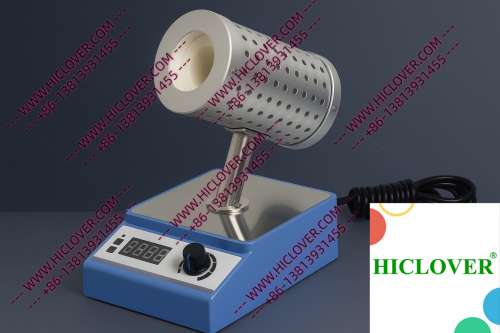
The Micro Incinerator utilizes infrared heat technology to deliver high-temperature disinfection quickly and efficiently. The design features an enclosed ceramic heating chamber that facilitates rapid thermal sterilization without the risk of open flames. This innovative setup not only minimizes the risk of fire hazards but also allows for aerosol-free handling, a critical factor in environments such as Biosafety Level 2 (BSL-2) and BSL-3 labs.
- Safety: The enclosed design eliminates risks associated with open flames.
- Efficiency: Rapid thermal sterilization capabilities lead to faster workflows.
- Contamination Control: Ensures a higher level of contamination control than traditional methods.
- Easy Maintenance: Low-maintenance design reduces downtime.
- What is a Micro Incinerator used for?
The Micro Incinerator is mainly used for sterilizing inoculating loops, needles, and other small laboratory tools quickly and efficiently. - How does infrared sterilization work?
Infrared sterilization uses high-temperature infrared radiation to rapidly kill microbial life, ensuring effective sterilization with minimal exposure time. - Is the Micro Incinerator suitable for field testing?
Yes, its portability and quick operational capabilities make it ideal for use in mobile laboratories or field testing environments. - Can students safely use the Micro Incinerator in laboratory training?
Absolutely, the safety features of the Micro Incinerator make it an excellent choice for teaching laboratories, allowing students to learn aseptic techniques without the risks associated with flame sterilization. - What types of laboratories most benefit from using a Micro Incinerator?
Biosafety Level 2 and 3 microbiology labs, clinical diagnostics, and educational institutions all greatly benefit from the advantages of Micro Incinerators.
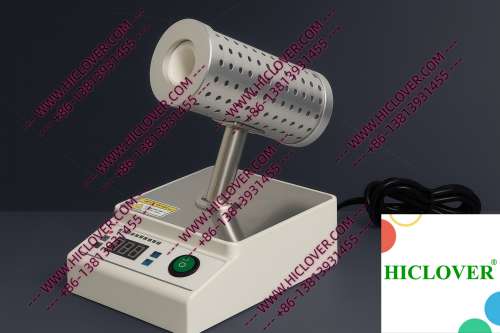
Application Scenarios in Real Labs
Let’s delve into practical applications where Micro Incinerators shine:
Biosafety Cabinets
In environments like biosafety cabinets, the risk of contamination is paramount. Researchers and technicians utilize Micro Incinerators for sterilizing tools and loops without introducing open flames. The infrared sterilization process allows quick and efficient decontamination, ensuring that no residual aerosols compromise sample integrity.
Teaching Laboratories
In academic settings, such as university teaching labs, students can engage in practical exercises using these sterilizers. The ease of operation enhances educational exposure while minimizing safety risks. Students can focus on learning proper aseptic techniques without worrying about the hazards that come with flame sterilizers.
Compliance with Biosafety Standards
The importance of compliance with global biosafety standards cannot be overstated. The World Health Organization (WHO) provides guidelines for laboratory biosafety that emphasize the need for clean operations, especially in environments where harmful pathogens are handled. The use of flame sterilizers is often discouraged in clean rooms or BSL settings due to the risks associated with aerosols and flames. By implementing Micro Incinerators, labs can align with WHO guidelines while ensuring operational safety and effectiveness.
Furthermore, adhering to stringent sterilization standards enhances laboratory quality assurance processes, solidifying your lab’s reputation as a leader in safe scientific practices.
Comparison: Micro Incinerator vs. Traditional Flame Sterilizers
| Feature | Micro Incinerator | Flame Sterilizer |
|---|---|---|
| Operational Safety | Enclosed system reduces fire risk | Open flames pose a significant risk |
| Time Efficiency | Rapid thermal sterilization | Requires longer heating times |
| Contamination Control | Aerosol-free handling | Potential for aerosol generation |
| Maintenance | Low maintenance required | Regular cleaning and maintenance necessary |
FAQs About Micro Incinerators
Conclusion
In today’s laboratories, the performance of sterilization equipment is critical for maintaining standards of safety and precision. The Micro Incinerator/Infrared Inoculating Loop Sterilizer not only meets these demanding requirements but exceeds them by offering efficiency, safety, and compliance with global standards. Transitioning from traditional flame sterilizers to innovative infrared technology will elevate your laboratory’s operational standards and ensure success in your research endeavors.
If you’re considering upgrading your laboratory sterilization equipment, the Micro Incinerator offers a compelling solution. Contact us today to learn more about how our products can enhance your laboratory’s sterilization workflow.
Categories:
Tags: