
In laboratories worldwide, the need for efficient biosafety measures has never been more pressing. As research facilities and clinical diagnostics centers push the boundaries of innovation, they face the ongoing challenge of maintaining strict sterilization protocols while also adhering to environmental responsibility. Laboratory Micro Incinerators, particularly the Infrared Inoculating Loop Sterilizer, have emerged as a sustainable solution to meet these sterilization workflow demands.
Efficiency Challenges in Laboratory Sterilization
The traditional methods of sterilization, such as alcohol lamps and Bunsen burners, often pose several biosafety challenges. These flames can generate aerosols, become cumbersome in sterilization workflows, and are generally unsuitable for use in clean rooms. The shift towards rapid thermal sterilization has led laboratories to seek alternatives that are both effective and capable of preserving sterile environments.
Technical Principles of Micro Incinerators
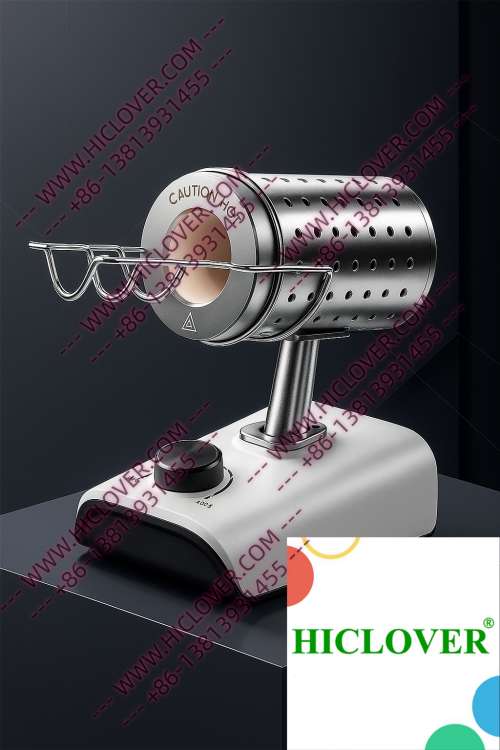
Micro Incinerators utilize the principle of infrared heat within an enclosed ceramic tube to achieve high-temperature disinfection efficiently. This method allows for rapid sterilization of inoculating loops, needles, and other small tools without the risks associated with open flames. The infrared technology heats the ceramic chamber to the required sterilization temperatures, ensuring that all microbial life is eradicated in seconds.
Design and Configuration
- Compact and Portable: Ideal for laboratories with limited space.
- Enclosed Heating Chamber: Prevents contamination and promotes a clean working environment.
- User-Friendly Interface: Intuitive controls facilitate ease of use, even for novice users.
Applications in Real Labs
Biosafety Cabinets
In BSL-2 and BSL-3 laboratories, maintaining stringent biosafety standards is a top priority. Micro Incinerators provide an aerosol-free method for sterilizing inoculating loops while performing work inside biological safety cabinets. This process minimizes contamination risks and ensures a sterile interface with samples, leading to more reliable research outcomes.
Field Testing and Teaching Labs
In field testing scenarios, mobility is essential, and Micro Incinerators deliver the needed portability without sacrificing performance. Likewise, in university teaching labs, instructors can demonstrate sterilization techniques without the hazards associated with traditional flame sterilization. The infrared sterilizer allows students to learn best practices in a safe and effective manner.
Compliance with Biosafety Standards
Adhering to international biosafety compliance is crucial in laboratory environments. The World Health Organization (WHO) recommends strict guidelines for laboratory sterilization to prevent contamination and ensure worker safety. Micro Incinerators meet these standards, providing flame-free operations that are particularly beneficial in clean-room settings where aerosols and open flames pose significant risks.
Comparison Between Micro Incinerators and Traditional Flame Burners
| Feature | Micro Incinerator | Traditional Flame Burners |
|---|---|---|
| Aerosol Generation | No aerosols | High aerosol risks |
| Heating Method | Infrared | Open flame |
| Safety in Clean Rooms | Ideal | Not suitable |
| Temperature Control | Rapid and precise | Variable depending on experience |
FAQs About Micro Incinerators
What is the main advantage of using a Micro Incinerator compared to a Bunsen burner?
The main advantage is the absence of open flames, which minimizes the risk of aerosols and contamination, making it ideal for cleanroom environments and sensitive laboratories.
Are Micro Incinerators easy to use for training purposes in educational settings?
Yes, their user-friendly controls and quick operation make them suitable for teaching lab scenarios, allowing students to practice sterilization techniques without safety concerns.
How do Micro Incinerators comply with WHO biosafety standards?
Micro Incinerators adhere to WHO guidelines through their efficient and flame-free sterilization capabilities, ensuring that biosafety and contamination control measures are maintained.
Can Micro Incinerators be used in field testing?
Absolutely! Their compact design and portability make them an excellent option for mobile laboratories and field testing applications.
What types of lab equipment can be sterilized using a Micro Incinerator?
A variety of tools, including inoculating loops, needles, and forceps, can be efficiently sterilized with a Micro Incinerator, ensuring a high level of hygiene.
Conclusion
Micro Incinerators provide a responsible and efficient alternative to traditional sterilization methods, particularly in laboratory environments where biosafety is crucial. Their innovative design, combined with compliance to international standards, positions them as essential tools in clinical diagnostics, university teaching labs, and more. If you’re looking to upgrade your laboratory sterilization equipment, consider contacting suppliers about acquiring a Micro Incinerator today. Make the transition to safer, more efficient sterilization solutions!
Categories:
Tags: