In the ever-evolving landscape of laboratory biosafety, the challenges of contamination control are paramount. As healthcare institutions strive to ensure patient safety, optimizing laboratory sterilization workflows has become critical. Lancaster Hospitals are leading this charge by integrating advanced diagnostic sterilizers, particularly the Micro Incinerator / Infrared Inoculating Loop Sterilizer, into their labs. This innovative technology is specifically designed to meet the demanding needs of today’s biosafety environments.
Understanding the Technical Principles of Infrared Sterilization
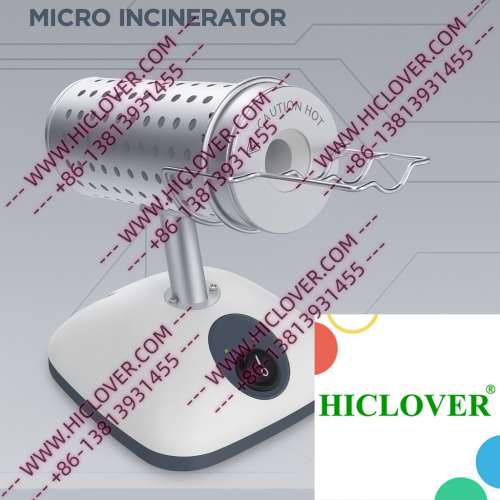
The Micro Incinerator operates using the principle of rapid thermal sterilization, utilizing infrared heat to achieve temperature levels necessary for effective sterilization without the risks associated with traditional flame methods. This device features an enclosed ceramic tube that concentrates the heat, providing high-temperature disinfection while eliminating the generation of aerosols and enhancing the clean-bench-safe environment.
Unlike Bunsen burners or alcohol lamps, which require open flames, the Micro Incinerator offers a controlled and efficient sterilization process. The infrared system heats instruments quickly, ensuring they reach the required temperature swiftly, which is crucial for maintaining a sterile environment in high-risk laboratories, such as BSL-2 and BSL-3 facilities.
Application Scenarios in Real Labs
1. University Teaching Labs
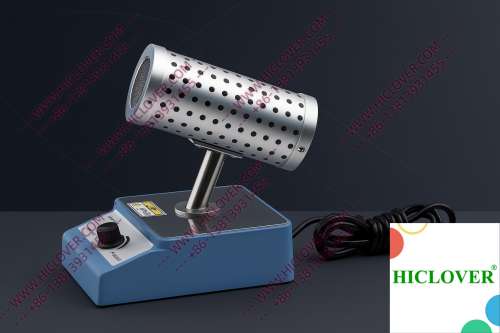
In university teaching laboratories, where students are learning critical microbiological techniques, the risk of cross-contamination is high. The Micro Incinerator provides an ideal solution for sterilizing inoculating loops and other instruments. Its quick heating capabilities allow for rapid turnover between experiments, enabling students to work safely and efficiently. Each instrument can be sterilized without the need for lengthy cool-down periods or risk of accidental burns, thus promoting a safer educational experience.
2. Clinical Diagnostics
In clinical diagnostics environments, where the stakes are higher, the use of the Micro Incinerator streamlines the sterilization process while adhering to stringent safety protocols. Whether handling samples in a biosafety cabinet or during field testing scenarios, the device ensures that all instruments are effectively sterilized. The aerosol-free handling of instruments plays a crucial role in preventing contamination of samples, making it an essential tool for any laboratory dedicated to producing reliable test results.
Compliance with Biosafety Standards
As laboratories evolve, adherence to biosafety guidelines set forth by the WHO and other regulating agencies becomes increasingly important. The Micro Incinerator complies with international lab sterilization standards, ensuring that it meets or exceeds safety expectations for both personnel and patients. This compliance is particularly vital in clean room environments, where the risk of contamination must be mitigated.
Furthermore, laboratories utilizing the Micro Incinerator can avoid the safety hazards associated with open flames. This is especially important in environments where flammable materials may be present, as using alcohol lamps or Bunsen burners can pose unnecessary risks.
Comparison of Micro Incinerator vs. Traditional Flame Sterilizers
| Feature | Micro Incinerator | Flame Burner |
|---|---|---|
| Heating Method | Infrared heat | Open flame |
| Safety | Aerosol-free handling | Risk of fire hazards |
| Efficiency | Rapid thermal sterilization | Longer heat-up time |
| Usage Environment | Clean rooms, field-testing | General lab use |
| Temperature Control | Highly controlled | Less controlled |
Frequently Asked Questions (FAQs)
- What is the lifespan of the Micro Incinerator? The longevity of the Micro Incinerator often exceeds several years, depending on usage and maintenance.
- Can the Micro Incinerator be used in BSL-3 labs? Yes, it meets biosafety compliance necessary for BSL-3 laboratories.
- How does infrared sterilization compare to traditional methods? Infrared sterilization is quicker, safer, and avoids the risks associated with flame-based methods.
- Is training required to use the Micro Incinerator? While basic understanding is recommended, detailed training is typically provided by distributors for safe operation.
- Where can I purchase the Micro Incinerator? It can be sourced through laboratory supply distributors and medical equipment suppliers.
Conclusion: Enhancing Patient Safety through Innovation
In conclusion, the adoption of advanced diagnostic sterilizers such as the Micro Incinerator / Infrared Inoculating Loop Sterilizer by Lancaster Hospitals sets a benchmark for patient safety and laboratory efficiency. By embracing this cutting-edge technology, medical and research facilities are not just enhancing their sterilization workflows but are also paving the way for a safer healthcare environment.
For laboratories looking to elevate their sterilization practices, integrating the Micro Incinerator is a proactive step towards compliance, efficiency, and safety. Contact us today to learn more about how you can enhance your laboratory’s capabilities with state-of-the-art sterilization equipment.
Categories:
Tags: