
In the constantly evolving landscape of laboratory biosafety, protecting personnel while ensuring reliable sterilization workflows is paramount. Laboratories, whether they focus on clinical diagnostics, academic research, or field testing, face increasing demands for effective sterilization solutions. In Germany, the innovative use of Micro Incinerators, specifically the Infrared Inoculating Loop Sterilizer, is making significant strides in meeting these challenges with efficiency and safety.
Challenges in Laboratory Biosafety
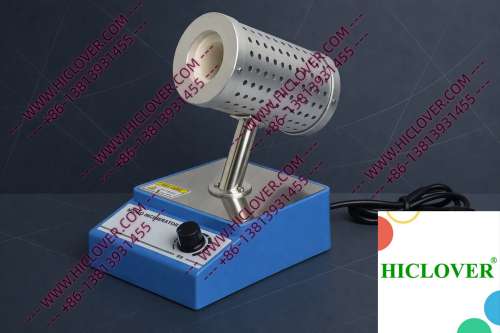
Laboratories often grapple with contamination control, particularly in handling biological samples. Traditional flame sterilizers, like alcohol lamps and Bunsen burners, pose risks such as open flames, which can be hazardous in environments where flammable substances are present. With growing adherence to the World Health Organization’s biosafety standards, laboratories are seeking advanced technologies that minimize risks while enhancing performance. This is where infrared loop sterilizers have begun to revolutionize the workflow.
The Technical Advantage of Infrared Sterilization
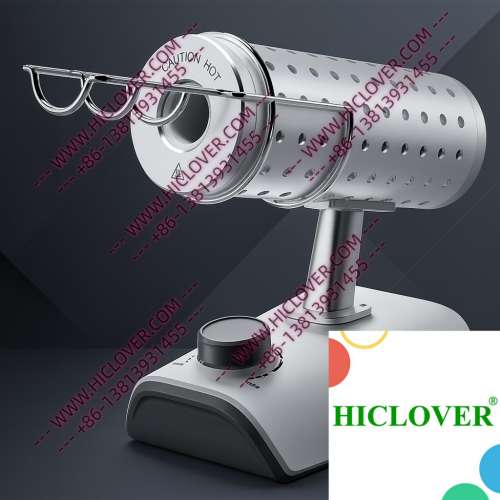
So, what sets the Infrared Inoculating Loop Sterilizer apart? Unlike traditional flame devices, the Micro Incinerator employs rapid thermal sterilization through a ceramic heating chamber that focuses infrared heat directly onto the inoculating loop. This enclosed design allows for high-temperature disinfection without the dangers associated with open flames.
The infrared device operates at temperatures of up to 850°C in seconds, enabling rapid sterilization and minimizing aerosol generation. This clean-bench-safe apparatus also contributes to a sterile environment by eliminating the risk of cross-contamination, making it ideal for sensitive laboratory work.
Applications of Micro Incinerators in German Laboratories
- BSL-2 Microbiology Labs: In settings that handle pathogens that could cause mild disease to humans, such as E. coli, the use of infrared sterilizers ensures compliance with strict biosafety regulations. Observations show that labs employing these devices have significantly reduced incident rates of contamination.
- University Teaching Labs: Educators appreciate the safety and efficiency of Micro Incinerators. Students learn proper handling practices during microbiology courses while benefitting from the swift sterilization process, allowing more time for experiments.
- Field Testing Labs: In mobile labs utilized for ecological and environmental assessments, loop sterilizers provide a portable, safe means of sterilizing tools in field conditions where traditional methods may not be feasible.
Compliance and Environmental Considerations
The use of Infrared Inoculating Loop Sterilizers aligns with numerous regulatory frameworks aimed at ensuring laboratory safety. The WHO biosafety guidelines emphasize the need for contamination control of microbial agents. Moreover, laboratories must adhere to strict sterilization standards to protect staff and the surrounding community. Using no flame technology in clean rooms helps uphold these standards, preventing unintended aerosol generation.
By eliminating the risk that comes with open flames, laboratories embracing modern sterilization methods bolster their compliance and enhance their environmental footprint, aligning with both national and EU standards.
Micro Incinerator vs. Traditional Flame Sterilizers
| Feature | Micro Incinerator | Traditional Flame Sterilizers |
|---|---|---|
| Operational Safety | No open flames, safe for clean benches | Open flames, potential fire hazards |
| Efficiency | Rapid thermal sterilization in seconds | Longer wait times for flame to ignite |
| Risk of Contamination | Reduced aerosol generation | Higher risk of cross-contamination |
| Ease of Use | Compact design for diverse applications | Requires training for safe handling |
Frequently Asked Questions
- What is the primary advantage of using an Infrared Inoculating Loop Sterilizer?
It offers rapid sterilization without the hazards of open flames, making it safer and more efficient for clean rooms. - Can Micro Incinerators be used in field testing environments?
Yes, their portability and safety features make them ideal for use in mobile labs for environmental assessments. - How do Infrared Sterilizers improve compliance with biosafety standards?
Infrared sterilizers enhance compliance by minimizing contamination risks and eliminating open flames in sensitive lab environments. - Are there specific training requirements for using Micro Incinerators?
While they are generally user-friendly, basic training on safe handling practices is recommended for laboratory personnel. - What type of labs are best suited for Micro Incinerators?
BSL-2 and BSL-3 microbiology labs, university teaching labs, and field testing environments can all benefit from their unique advantages.
Conclusion
The adoption of the Micro Incinerator / Infrared Inoculating Loop Sterilizer in German laboratories has shown promising improvements in biosafety, operational efficiency, and compliance with strict health standards. By modernizing sterilization workflows and prioritizing safety, organizations can safeguard personnel and promote excellence in research.
If your lab is looking to enhance its sterilization practices while adhering to the highest compliance standards, contact us today for more information or to make a purchase. Experience the difference that cutting-edge sterilization solutions can make in your research endeavors.
Categories:
Tags: